Discover In-Depth Information on Vitamin D Blood Testing Available in Worthing
What Testing Options Are Accessible for Worthing Residents?
Private Vitamin D Blood Test in Worthing: Worthing residents benefit from a wide array of vitamin D blood tests, available in both NHS facilities and private clinics. The primary testing method utilised is the 25-hydroxyvitamin D test, which effectively measures the vitamin D levels in the blood. Local healthcare institutions, such as Worthing Hospital and numerous private general practitioner practices, provide these crucial tests, ensuring residents receive timely and accurate evaluations of their vitamin D status to enhance their health.
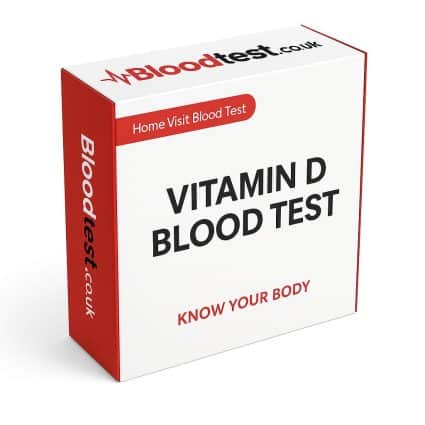

Importantly, NHS services typically offer these tests at no additional cost for eligible patients. In contrast, private clinics facilitate quicker appointments for a fee, allowing individuals to take a proactive stance on their health management.
How Do Local Clinics Handle the Processing of Test Results?
Clinics in Worthing adhere to standardised protocols for processing vitamin D blood samples. Once a blood draw is completed, samples are swiftly dispatched to accredited laboratories, where they undergo rigorous testing to determine vitamin D levels. Generally, results are processed within a few days, enabling healthcare providers to promptly relay findings to patients. Residents should consult their general practitioner for advice on understanding their results and determining the necessary next steps, following established UK medical guidelines, thus ensuring individuals are fully informed about their health status.
How Do Seasonal Variations Influence Vitamin D Testing?
Seasonal fluctuations in Worthing significantly impact vitamin D requirements, primarily attributed to varying sunlight exposure throughout the year. Vitamin D synthesis occurs when the skin is exposed to sunlight, meaning residents may need more frequent testing during the autumn and winter months when natural sunlight is scarce. To optimise health monitoring and maintain sufficient vitamin D levels, consider the following seasonal recommendations:
- Schedule testing in late winter or early spring to accurately assess any deficiencies developed during the winter months.
- Be vigilant for symptoms of deficiency during the darker months, such as fatigue or recurrent illnesses.
- In summer, balance sun exposure while ensuring adequate skin protection.
- Consult with a healthcare provider to modify supplementation based on seasonal changes.
What Is the Methodology for Conducting a Vitamin D Blood Test?
What Preparatory Steps Are Necessary Before Undergoing the Test?
Proper preparation for a vitamin D blood test is crucial to ensure accurate results. Residents in Worthing should consult with their general practitioners beforehand, as they may need to fast for several hours prior to the test. This precaution helps mitigate any potential interference from food or supplements. Additionally, it is advisable to refrain from taking vitamin D supplements for one to two days before the test, as they could distort the results. Understanding these preparatory steps is essential for achieving a reliable assessment of your vitamin D levels.
What Standard Procedures Are Followed During the Testing Process?
The standard procedure for a vitamin D blood test in Worthing begins with a nurse or phlebotomist explaining the process to the patient. After ensuring the individual is comfortably seated, a small volume of blood is drawn from a vein, typically located in the arm. Strict safety measures are enforced throughout the procedure, including the use of sterile equipment and gloves to prevent contamination. Following the blood draw, pressure is applied to the site to halt any bleeding, and the sample is promptly labelled and sent for analysis. Each step is meticulously designed to ensure patient safety and the integrity of the testing process.
What Potential Side Effects Should Patients Be Aware Of?
While the vitamin D blood test is generally deemed safe, some residents in Worthing may experience minor side effects, such as bruising at the site of the blood draw or, in rare instances, lightheadedness. Managing these effects typically involves applying pressure to the puncture site and resting if any dizziness occurs. If bruising occurs, it usually resolves on its own within a few days without the need for further intervention. It is important for residents to be informed about these possibilities to alleviate any concerns before undergoing the test.
Expert Perspectives on the Significance of Vitamin D Blood Testing in Worthing
Why Is Early Detection of Deficiencies Critical for Overall Health?
Early detection of vitamin D deficiency is essential for preventing a range of health complications. Residents in Worthing can greatly benefit from timely testing, enabling proactive measures to address potential deficiencies that may lead to serious issues such as osteoporosis and weakened immune responses. By actively collaborating with healthcare providers for regular check-ups and advocating for necessary testing, individuals can adopt a life-saving approach, especially during the winter months when deficiencies are more prevalent.
What Primary Symptoms Indicate the Need for a Vitamin D Test?
Certain symptoms may prompt Worthing residents to seek a vitamin D blood test. Common indicators encompass unexplained fatigue, persistent bone pain, and muscle weakness. For instance, a patient suffering from chronic fatigue might uncover that a vitamin D deficiency is the underlying cause, necessitating timely testing. Local health professionals advise that individuals exhibiting these symptoms consult their healthcare provider to evaluate their vitamin D status, facilitating prompt intervention and effective management.
How Can Patients Accurately Interpret Their Test Results?
Interpreting vitamin D test results may be somewhat challenging, but local specialists in Worthing adhere to established guidelines to assist patients in comprehending their results. For accurate interpretation, it is vital to consider the following categories:
- A level below 30 nmol/L indicates a deficiency.
- 30-50 nmol/L is generally deemed insufficient.
- Above 50 nmol/L is typically regarded as adequate.
- Above 100 nmol/L may suggest excessive levels.
Patients are encouraged to discuss their results with their healthcare providers to fully understand them and determine the appropriate next steps tailored to their individual health needs.
What Are the Key Signs Suggesting Vitamin D Deficiency?
How Does Vitamin D Deficiency Manifest in Daily Life?
Residents in Worthing may exhibit a variety of symptoms indicative of vitamin D deficiency, such as persistent fatigue, frequent infections, and bone pain. Fatigue can be particularly debilitating, adversely impacting daily activities and overall quality of life. Bone pain often presents as deep aches in the back, ribs, or joints and can frequently be misinterpreted as other conditions. Recognising these signs is crucial for timely intervention and treatment, as addressing deficiencies early can lead to improved health outcomes.
What Local Factors Heighten the Risk of Deficiency?
Various environmental and lifestyle factors in Worthing enhance the risk of vitamin D deficiency. Limited sunlight exposure during the autumn and winter months can significantly hinder vitamin D synthesis in the body. Additionally, individuals with darker skin tones, those who spend extended periods indoors, or those with specific health conditions may be at a heightened risk of deficiency. Being aware of these factors empowers residents to seek proactive testing and appropriate supplementation, ultimately contributing to improved overall health.
What Long-Term Health Consequences Can Arise from Untreated Deficiency?
If vitamin D deficiency remains unaddressed, it can result in serious long-term health complications for residents in Worthing. Potential issues include osteoporosis, increased vulnerability to infections, and even mood disorders such as depression. Regular testing, combined with timely intervention, can significantly mitigate these risks, as lifestyle changes and appropriate supplementation can bolster health and well-being. Understanding the importance of maintaining adequate vitamin D levels is vital for fostering a healthier community.
Evidence-Based Advantages of Vitamin D Blood Testing in Worthing
What Research Supports the Necessity for Regular Testing?
Research consistently demonstrates that routine vitamin D blood testing can result in improved health outcomes. For residents in Worthing, studies reveal that individuals who undergo regular testing report fewer instances of health issues associated with vitamin D deficiency. For example, local research indicates that patients who are consistently monitored are less likely to develop chronic conditions linked to low vitamin D levels, underscoring the significance of regular health assessments.
How Does Testing Contribute to Personalised Health Strategies?
Results from vitamin D tests in Worthing play a critical role in developing personalised health strategies for residents. By accurately assessing vitamin D levels, healthcare providers can devise tailored treatment plans that encompass dietary recommendations, lifestyle modifications, or supplementation. For instance, a patient diagnosed with a vitamin D deficiency might receive a prescription for higher doses of vitamin D, along with dietary adjustments to optimise absorption and support overall health.
What Benefits Do Specific Groups, Such as the Elderly, Derive from Testing?
Elderly residents in Worthing stand to gain significantly from vitamin D testing, as this demographic faces an increased risk of deficiency due to limited sun exposure and changes in metabolism. Tailored strategies for this group may include:
- Encouraging safe sun exposure practices to promote natural vitamin D synthesis.
- Promoting dietary sources of vitamin D, such as fatty fish and fortified foods.
- Considering supplementation under medical supervision to address deficiencies.
- Regularly monitoring vitamin D levels to modify health plans as needed.
What Are the Benefits of Selecting a Blood Test in Worthing?
What Makes Local Testing Options Convenient for Residents?
Local options for vitamin D blood testing in Worthing are both accessible and efficient, with numerous clinics and healthcare facilities providing these services with minimal waiting times. Many clinics also offer flexible booking options, making it easier for individuals to incorporate testing into their busy schedules. This convenience is imperative for promoting regular health monitoring, enabling residents to prioritise their well-being without undue delays.
How Does the Cost of Testing Differ for Residents?
The cost of vitamin D tests in Worthing can vary significantly, depending on whether the service is accessed through NHS or private providers. NHS tests are generally free for eligible patients, whereas private clinics may charge between £40 and £100. Residents must weigh the benefits of swift access through private services against the associated costs, particularly if they have pressing health concerns that require prompt attention.
What Alternatives to Traditional Blood Testing Methods Exist?
While blood tests are the most prevalent method for assessing vitamin D levels, Worthing residents can explore alternatives such as home testing kits and skin tests. Home testing kits provide convenience but may lack the precision and reliability of clinical tests. Skin tests measure vitamin D levels based on UV exposure; however, they are less commonly used and may not deliver comprehensive insights into an individual’s vitamin D status. It is essential for residents to consider the most effective method for their testing requirements.
What Are the Benefits of Obtaining Rapid Results in Worthing?
In Worthing, blood tests for vitamin D typically yield quick turnaround times, facilitating prompt diagnosis and treatment for patients. This efficiency enhances patient care, alleviates anxiety by providing timely results, and enables healthcare providers to act swiftly on detected deficiencies. Local clinics employ modern technology to deliver accurate results promptly, offering substantial value to residents on their health journeys and ensuring they receive the necessary support.
How to Effectively Prepare for Your Vitamin D Test
What Crucial Steps Should Residents Follow Before the Test?
Before undergoing a vitamin D blood test, residents in Worthing should take several essential steps to optimise their results. Adjusting dietary intake in the days leading up to the test can prove beneficial; for instance, avoiding high doses of vitamin D supplements, which could distort results. Consulting a general practitioner for personalised advice is also recommended, as they may suggest specific actions tailored to individual health conditions and needs. This proactive approach can significantly enhance the reliability of test outcomes.
What Can Patients Anticipate During Their Appointment?
During the appointment for a vitamin D blood test at a Worthing clinic, patients can expect a welcoming and professional atmosphere. After completing the necessary paperwork, individuals will typically wait briefly before being called in for the blood draw. The process is designed to be efficient, with minimal discomfort anticipated. Understanding the appointment structure can help alleviate any anxiety and ensure that patients feel comfortable throughout the testing process.
What Follow-Up Actions Should Be Taken After Receiving Results?
After receiving the results of a vitamin D test, residents in Worthing should consult with their healthcare provider to discuss the next steps. If deficiencies are identified, this may involve adjusting dietary intake, considering supplementation, and implementing lifestyle changes to enhance vitamin D levels. Regular follow-up appointments are crucial for monitoring progress and ensuring effective health management based on test results, fostering a proactive approach to personal health.
Which Factors Influence Vitamin D Levels in Residents?
In Worthing, various factors impact vitamin D levels, including sunlight exposure, dietary habits, and seasonal weather patterns. Residents should remain mindful of their lifestyle choices, such as the frequency of outdoor activities and their food intake, as these significantly affect their vitamin D status. This awareness can help individuals prepare effectively for the test and interpret results with greater accuracy, ultimately supporting proactive health management tailored to their specific needs.
What Tips Can Ensure Accurate Testing Results?
To enhance the accuracy of their vitamin D test, residents in Worthing should adhere to practical guidelines. Avoiding certain supplements for a few days before the test can prevent interference with results and ensure a more accurate reading. Additionally, maintaining a consistent routine regarding meal timing and sun exposure can further ensure reliable results. Consulting healthcare professionals for personalised advice tailored to local climate conditions and individual health profiles may also provide valuable insights.
Frequently Asked Questions
What Is the Purpose of a Vitamin D Blood Test?
A vitamin D blood test is designed to measure the level of vitamin D in your bloodstream, assisting in identifying deficiencies that may impact your overall health and well-being.
How Often Should Individuals Undergo Testing for Vitamin D?
It is generally recommended that individuals test their vitamin D levels annually, particularly during the winter months when sunlight exposure is significantly reduced.
Are There Any Potential Side Effects Associated with the Test?
While the vitamin D blood test is considered safe, some individuals may experience minor side effects, such as bruising or lightheadedness, following the blood draw. These effects are usually temporary and resolve quickly.
What Is the Typical Timeframe for Receiving Results?
Most clinics in Worthing provide test results within a few days, facilitating timely follow-up consultations with healthcare providers and ensuring that individuals receive the necessary guidance promptly.
Can I Continue Taking Supplements Before the Test?
It is advisable to refrain from taking vitamin D supplements for at least 24 hours before testing to ensure accurate results and reliable readings.
What Should I Do If My Test Results Indicate a Deficiency?
If the results indicate a deficiency, it is crucial to consult your healthcare provider about dietary changes, supplementation options, and any further testing that may be necessary to address it effectively.
Is There a Distinction Between NHS and Private Tests?
Yes, there is a difference: NHS tests are typically provided free of charge for eligible patients, while private tests may cost £40-£100 and offer quicker access to results.
Can I Test My Vitamin D Levels at Home?
Home testing kits are available to assess vitamin D levels; however, they may not provide the same level of accuracy or comprehensive results as clinical tests conducted in a healthcare setting.
What Dietary Sources Are Recommended for Vitamin D?
Recommended dietary sources of vitamin D include fatty fish, fortified dairy products, and egg yolks. Ensuring adequate dietary intake is particularly vital during the winter months, when sunlight exposure is limited.
Do Certain Groups Require More Frequent Testing?
Absolutely, specific groups, such as older adults, individuals with darker skin, and those with limited sun exposure, should consider more frequent testing of their vitamin D levels and overall health.
Join us on Facebook today!

This Article Was First Found On https://bloodtest.co.uk
The Article Vitamin D Blood Test: Importance of Testing in Worthing found first on https://electroquench.com