Discover the Key Ingredients for Creating Delicious Plant-Based Burgers
Which Essential Ingredients Will Elevate the Flavour of Your Plant-Based Burgers?
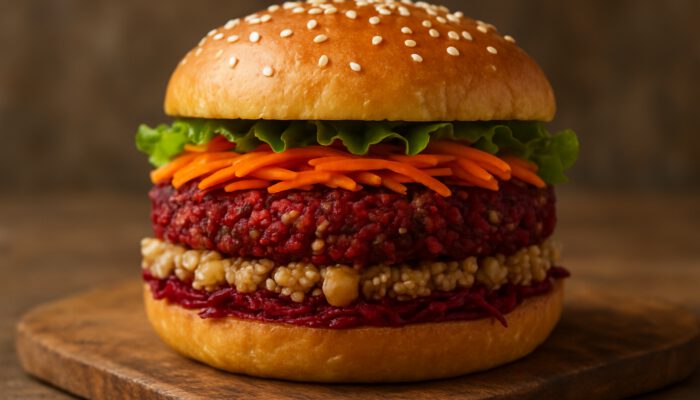
When embarking on the journey to create exceptional plant-based burger recipes, selecting the right ingredients is crucial for achieving mouthwatering flavours and satisfying textures that can cater to diverse tastes. A well-rounded combination of beans, grains, and vegetables not only ensures a nutrient-rich profile but also significantly enhances the overall flavour of your burger. For instance, using lentils as a primary ingredient adds a protein-packed element, with recommendations suggesting that approximately 30-50% of your burger mixture should comprise these wholesome components. Real-world experiences show that swapping black beans for chickpeas leads to a nuttier flavour, while integrating quinoa enriches both nutritional value and texture. Furthermore, consider adding vibrant components like shredded carrots or beetroot to infuse natural sweetness and visual appeal, making your burgers not only delicious but also visually enticing.
Essential Techniques for Perfecting Your Plant-Based Burger Preparation
Crafting a remarkable plant-based burger hinges on straightforward yet impactful preparation techniques that greatly influence the dish's final outcome. Commence by carefully combining your base ingredients to ensure an even distribution of flavours throughout the mixture. It is vital to introduce binding agents such as flaxseed meal, chia seeds, or breadcrumbs since these components are essential for achieving the right firmness and preventing your patties from becoming overly soggy during cooking. A helpful tip is to refrigerate the mixture for at least 30 minutes prior to shaping it into patties; this allows the ingredients to meld harmoniously, resulting in a mixture that retains its structure during the cooking process. This simple yet effective approach guarantees you achieve the perfect consistency for grilling, regardless of your chosen cooking method or equipment.
Health Benefits of Incorporating Plant-Based Burgers into Your Diet
Creating a balanced macronutrient profile while developing plant-based burgers is vital for maximising their health benefits. Integrating a wide variety of vegetables enhances vitamin content while incorporating whole foods to ensure elevated levels of dietary fibre. To enrich nutritional diversity, consider adding ingredients such as spinach, which serves as a good source of iron, and sweet potatoes, which are abundant in beta-carotene. By focusing on nutrient-dense components, your burgers will not only satisfy hunger but also promote overall well-being, making them an excellent choice for health-conscious consumers. Including an assortment of vegetables creates a delightful blend of flavours and textures, catering to various dietary preferences and guaranteeing that everyone can savour your delicious creations.
Explore the Top Plant-Based Meat Alternatives Available Today
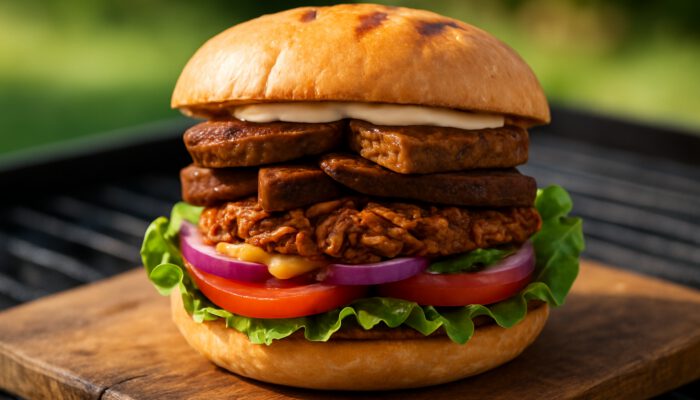
The market for plant-based meat alternatives has witnessed significant growth, with options like jackfruit, seitan, and tempeh leading the charge. Jackfruit is particularly renowned for its ability to replicate the texture of pulled pork when cooked, making it an incredibly versatile choice for BBQ-style burgers. In contrast, seitan offers a chewy, meat-like consistency that appeals to those craving a heartier bite. Tempeh is another fantastic alternative, rich in protein and featuring a nutty flavour that pairs well with various spices and sauces. When incorporating these substitutes into your burger recipes, marinating them can significantly enhance their flavour and nutritional value. Each of these alternatives provides unique benefits, delivering a delightful and satisfying plant-based burger experience that caters to a wide range of tastes and preferences.
How Can You Create the Perfect Plant-Based Burger?
Follow These Simple Steps to Assemble Your Plant-Based Burgers
To assemble the perfect plant-based burger, adhere to a fundamental set of steps designed to ensure even cooking and juicy results that everyone will appreciate. Start by combining your chosen ingredients in a large mixing bowl, ensuring spices and seasonings are evenly distributed throughout the mixture. Form the mixture into patties, being careful not to overhandle them, as this can lead to a tough texture. The next step involves preheating your grill or skillet to a medium-high temperature, facilitating a delightful sear that locks in moisture and flavour. Timing is crucial; cook each patty for approximately 5-7 minutes on either side, depending on their thickness, to achieve a desirable crust while keeping the interior tender. Use a meat thermometer to verify doneness, aiming for an internal temperature of around 75°C (165°F) to ensure safety and optimise flavour.
Essential Kitchen Tools for Crafting Outstanding Plant-Based Burgers
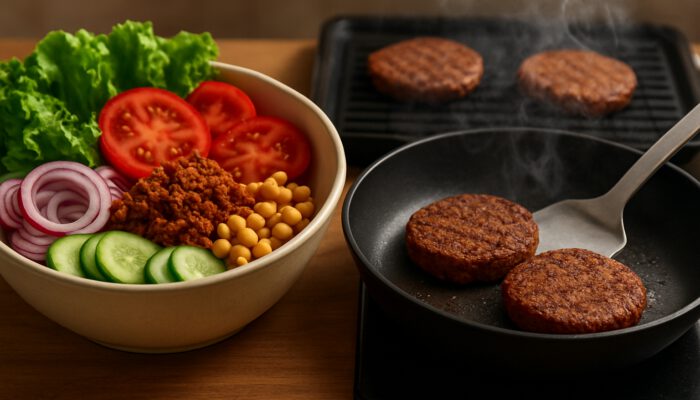
Equipping your kitchen with the right tools is essential for creating plant-based burgers that not only taste fantastic but also impress your guests. Key items include a sturdy mixing bowl, a dependable spatula for flipping, and either a grill or a skillet for cooking. Each of these tools plays a crucial role in ensuring both texture and ease during the cooking process. For example, a non-stick skillet allows for reduced oil usage while ensuring that your burgers cook evenly, whereas a grill imparts a delightful smoky flavour that enhances the overall taste. Here’s a quick overview of the indispensable benefits of using these essential tools:
- Mixing bowl: Enables thorough blending of ingredients for even flavour distribution.
- Spatula: Facilitates easy flipping without breaking the patties apart.
- Grill: Provides a smoky char that enhances the flavour profile of the burgers.
- Skillet: Ideal for managing cooking temperatures for optimal results.
- Meat thermometer: Ensures that your burgers reach safe cooking temperatures.
How Can You Determine When Plant-Based Burgers Are Done?
Determining when your plant-based burgers are fully cooked is crucial for optimal enjoyment and flavour. Look for signs such as a golden-brown exterior and a firm texture that springs back when gently pressed. It is vital to avoid overcooking, as this can result in dry, unappetising patties that no one will want to consume. A timer can be an invaluable ally; cook each side for the recommended duration, then utilise a meat thermometer to confirm that the internal temperature reaches around 75°C (165°F). This practice not only guarantees that your burgers are safe to eat but also ensures they remain juicy and flavourful, providing a satisfying bite every single time.
Gain Expert Insights on Crafting Exceptional Plant-Based Burger Recipes
Master Advanced Techniques to Create Unique Flavour Profiles
To elevate the flavour of your plant-based burgers, mastering advanced flavour profiles is essential. Layering spices and herbs can transform a simple patty into a culinary masterpiece that excites the senses. Consider integrating smoked paprika for a deep, smoky essence, or nutritional yeast to impart a cheesy undertone without dairy. Real-world examples include blending cumin and coriander for a Middle Eastern-inspired twist or adding fresh herbs such as basil and oregano for an Italian flair. Embrace the art of experimentation; don’t hesitate to mix and match spices until you discover the perfect combination that tantalises your taste buds and leaves a lasting impression on your plant-based burger creations.
Explore Techniques for Optimising Texture in Plant-Based Burgers
Achieving the ideal texture in plant-based burgers can dramatically enhance their appeal and overall satisfaction. Focus on ingredient ratios to strike a balance between satisfying crunch and moist interior. For instance, blending finely chopped vegetables with a protein source such as lentils can provide an appealing texture that is both enjoyable and nutritious. Incorporating oats or breadcrumbs not only assists in binding the mixture but also contributes delightful chewiness that enhances the eating experience. Remember to allow your patties to rest before cooking; this step enables the flavours to meld and the textures to harmonise beautifully. Aim for a combination that provides both firmness and a satisfying bite, ensuring that every mouthful is a delightful experience that keeps your guests coming back for more.
Implement Long-Term Storage Strategies for Your Plant-Based Burgers
To maintain the quality of your plant-based burgers over time, it is vital to adopt effective storage techniques that preserve their flavour and nutritional value. Freezing represents an excellent option; simply wrap your uncooked patties in parchment paper and place them in an airtight container or a zip-lock bag. This method prevents freezer burn while retaining the flavour and texture of the burgers. When it is time to reheat, consider using an oven or air fryer to restore crispness rather than resorting to microwaving, which can lead to sogginess. By following these storage recommendations, you can relish your delicious creations long after preparation, making meal prep more efficient and manageable without compromising on taste.
What Sets a Plant-Based Burger Apart from Traditional Meat Burgers?
Identify the Key Differences Between Plant-Based and Traditional Meat Burgers
Plant-based burgers markedly differ from their meat counterparts, especially in terms of composition and cooking methods. The absence of animal fats results in lower saturated fat content, making these burgers a healthier choice overall. Instead, they are packed with wholesome ingredients that provide essential nutrients and dietary fibre, contributing to a balanced diet. Additionally, the cooking process is distinct; while meat often requires careful monitoring to avoid drying out, plant-based patties tend to be more forgiving, allowing for a broader cooking time range without compromising texture or flavour. Recognising these differences highlights the numerous advantages of selecting plant-based options, encouraging more individuals to embrace this healthier lifestyle.
Focus on Essential Ingredients to Prioritise in Plant-Based Burgers
When crafting plant-based burgers, prioritising whole foods over processed ingredients is paramount for maximising health benefits. Emphasise fresh vegetables, legumes, and whole grains as your primary components. Quality checks are vital; ensure your vegetables are vibrant, crisp, and free from blemishes, and select legumes that are devoid of additives and preservatives. By focusing on whole foods, your recipes will not only be more nutritious but also more appealing to a broad audience, including those who might be sceptical about plant-based diets. This approach fosters inclusivity and promotes healthier eating habits, aligning with current dietary trends that favour wholesome, minimally processed ingredients.
Why Is Texture So Important in Plant-Based Burgers?
Texture plays a crucial role in the appeal of plant-based burgers, significantly influencing the overall eating experience. Successfully mimicking the feel of meat enhances satisfaction and encourages acceptance among traditional meat eaters who may be hesitant to try plant-based options. Incorporate crunchy elements, such as chopped nuts or seeds, to introduce a delightful crunch and contrast to the softer components of the burger. Additionally, consider the following key benefits of achieving the right texture:
- Enhanced satisfaction: A variety of textures keeps the palate engaged and intrigued.
- Mimics meat: A chewy interior combined with a crispy exterior replicates the experience of traditional burgers.
- Versatility: Different textures allow for creative adaptations to suit various tastes and preferences.
- Balanced nutrition: Combining textures often enhances nutrient delivery, making your burgers more nourishing.
By concentrating on texture, you can create plant-based burgers that not only satisfy cravings but also attract a wider audience, showcasing that plant-based eating can be both enjoyable and fulfilling.
Investigate the Research-Backed Health Benefits of Plant-Based Burgers
How Do Plant-Based Burgers Support Health and Wellness?
Plant-based burgers provide numerous health benefits, particularly in supporting heart health and assisting in weight management. Research indicates that diets abundant in plant-based foods can significantly lower the risk of chronic diseases, making these burgers a wise choice for anyone seeking to improve their overall health. Incorporate these burgers into your daily meals by pairing them with leafy greens and whole grains for a well-rounded and balanced plate. The high fibre content from legumes and vegetables promotes digestive wellness and can aid in weight control by enhancing feelings of fullness. Adopting this dietary approach encourages long-term health improvements, positioning plant-based burgers as a viable option for anyone aiming to boost their well-being.
Understand the Environmental Benefits of Choosing Plant-Based Burgers
The environmental advantages of plant-based burgers are substantial, especially regarding resource use and sustainability. Studies show that plant-based diets generally require significantly less water and land compared to traditional meat production, leading to a reduced carbon footprint. By opting for plant-based ingredients, individuals contribute to decreasing greenhouse gas emissions and promoting sustainability in food production. This choice aligns with global efforts to combat climate change, making it imperative for environmentally-conscious consumers to consider plant-based options as essential components of their diets.
Discover the Perfect Side Dishes to Complement Plant-Based Burgers
Pairing your plant-based burger with the right sides can create a balanced meal that enhances nutritional synergy and overall enjoyment. Consider serving your burgers with a fresh garden salad, which adds a crunchy texture and essential nutrients to the meal. Sweet potato fries serve as a delicious and lower-glycaemic alternative to traditional fries, while quinoa or grain bowls can elevate the meal's protein content and nutritional profile. Additionally, including pickled vegetables can offer a tangy contrast to the richness of the burger, enhancing the dining experience. By thoughtfully selecting side dishes, you can craft a wholesome, satisfying meal that nourishes both body and spirit.
Explore Nutritional Diversity and Composition in Plant-Based Burgers
The nutrient density of plant-based burgers is impressive, encompassing essential proteins, vitamins, and antioxidants that contribute to overall health. These burgers can be tailored to fit diverse diets, making them suitable for athletes seeking protein sources or families looking for healthier meal options. Incorporating ingredients like beans, lentils, and whole grains not only boosts protein levels but also enhances the overall nutritional profile of your burgers. Expert recommendations suggest blending these ingredients with colourful vegetables to maximise vitamin intake. By embracing variety and diversity in ingredients, plant-based burgers can become a staple in any diet, contributing to improved health and dietary balance.
Address the Ethical and Societal Impacts of Plant-Based Eating
The transition towards plant-based options carries significant ethical and societal implications, particularly concerning animal welfare and environmental sustainability. Choosing plant-based burgers lessens reliance on animal agriculture, which often involves cruelty and exploitation of animals. Furthermore, adopting plant-based diets contributes to lower greenhouse gas emissions, aligning with global sustainability and public health objectives. Promoting ethical consumption habits encourages a more compassionate approach to food, fostering informed choices that benefit not just individuals but also the planet, thereby creating a more sustainable future for all.
Why Choose Plant-Based Burgers Over Traditional Meat Options?
What Ethical Considerations Encourage Choosing Plant-Based Foods?
Ethical considerations greatly influence the decision to select plant-based burgers over traditional meat options. Concerns surrounding animal welfare are paramount, as many consumers seek alternatives that align with their values regarding humane treatment of animals. Additionally, embracing a plant-based lifestyle often reflects a commitment to environmental sustainability, linking dietary choices to broader ecological consequences. Encouraging thoughtful and ethical decisions fosters a more compassionate society, raising awareness of how food choices impact the world around us and inspiring others to contemplate the implications of their dietary habits.
Embrace the Flavour and Variety: The Allure of Plant-Based Burgers
One of the most compelling reasons to opt for plant-based burgers is the incredible diversity of flavours and customisation options they present. These burgers can be crafted from a wide variety of ingredients, allowing for endless flavour combinations that cater to any palate. From spicy black bean patties to herbed chickpea variations, the versatility of plant-based ingredients ensures there is something for everyone. This adaptability not only satisfies diverse tastes but also encourages consumers to experiment with their recipes, creating unique burgers that reflect personal preferences and dietary needs. The limitless possibilities make plant-based burgers an exciting and enjoyable choice for all.
Discover Cost-Effective Strategies for Plant-Based Eating
Plant-based burgers can serve as a budget-friendly alternative to traditional meat options, making nutritious meals accessible to a wider audience. By utilising affordable ingredients such as beans, lentils, and grains, you can create delicious and nourishing meals without exceeding your budget. Here’s a brief overview of the key benefits of opting for plant-based choices:
- Reduced grocery bills: Plant-based ingredients often cost less than meat products, making them an economical choice.
- Minimal waste: Leftover ingredients can be repurposed in various dishes, ensuring nothing goes to waste.
- Bulk cooking: Preparing larger batches saves time and money, providing quick and convenient meal solutions.
- Accessible recipes: Many plant-based recipes require simple, inexpensive ingredients that are easy to source.
Highlighting cost-effective strategies encourages individuals to adopt healthier eating habits while maintaining financial flexibility, demonstrating that nutritious meals can be both affordable and satisfying.
Understand the Health and Nutritional Benefits of Plant-Based Burgers
The health benefits of plant-based burgers are significant, particularly due to their lower saturated fat content and higher fibre levels compared to traditional meat options. These burgers often provide essential vitamins and minerals that can help prevent heart disease and promote overall well-being. Incorporating plant-based options into your diet encourages a shift towards healthier eating habits, supporting both short-term health improvements and long-term disease prevention. This transition can greatly enhance quality of life, making plant-based burgers a wise choice for those prioritising their health and well-being.
Explore the Environmental Benefits of Plant-Based Eating
Choosing plant-based burgers leads to substantial environmental benefits, particularly in reducing greenhouse gas emissions. Meat production is a major contributor to climate change, while plant-based alternatives present a sustainable solution to this urgent issue. By consuming fewer animal products, individuals can significantly lower their carbon footprint, alleviating pressure on natural resources and contributing to global efforts to combat climate change. This environmentally-conscious choice aligns with the growing movement towards sustainability, motivating consumers to reflect on the broader impacts of their dietary choices on the planet.
Innovative Ideas for Customising Your Plant-Based Burgers
How Can You Elevate Your Burgers with Unique Toppings?
Enhancing your plant-based burgers with distinctive toppings can significantly enrich the overall dining experience. Consider adding fresh ingredients like avocado, which offers creaminess and healthy fats, or pickled onions for a tangy crunch that beautifully complements the flavours. Challenge conventional topping norms by experimenting with unexpected ingredients like spicy kimchi or pineapple salsa, introducing exciting flavour contrasts. The beauty of plant-based burgers lies in their boundless potential for creativity—don't hesitate to explore various combinations until you discover the perfect match that excites your palate and enhances your meal.
Adapting Plant-Based Burgers to Suit Dietary Needs
Flexibility is a defining characteristic of plant-based cooking, simplifying the adaptation of recipes for various dietary requirements. Whether addressing allergies or personal preferences, plant-based burgers can cater to a wide range of needs. For instance, individuals following a gluten-free diet can utilise chickpea flour or quinoa as substitutes for breadcrumbs, while those avoiding soy can replace tofu with lentils or beans. This adaptability ensures that everyone can savour delicious, nutritious burgers tailored to their specific dietary restrictions, making plant-based options more accessible and inclusive for all.
Experimenting with Creative Shapes for Plant-Based Patties
Creating imaginative and unique shapes for your plant-based patties can significantly enhance the dining experience, particularly during special occasions or family meals. Consider forming mini sliders for appetisers or employing cookie cutters to craft playful shapes that appeal to children. The versatility of plant-based mixtures allows for creative designs while maintaining the integrity and flavour of the burger. Experimenting with shapes not only adds visual interest to the meal but also opens the door for imaginative presentations that can elevate any dining experience, making it memorable and enjoyable for all.
Avoid Common Pitfalls in Plant-Based Burger Recipes
Why Is Achieving a Balanced Seasoning So Important?
One common error when preparing plant-based burgers is overlooking the significance of balanced seasoning. Inadequate spices can lead to blandness, resulting in an unappetising meal that fails to impress. It’s crucial to taste-test the mixture before cooking; this practice enables you to adjust the seasoning as necessary, ensuring a flavourful burger. Don’t hesitate to embrace bold flavours—experimenting with various herbs and spices can transform a simple patty into a gourmet creation that delights your taste buds.
Why Is Monitoring Cooking Times Essential?
Keeping track of cooking times is vital for achieving perfectly cooked plant-based burgers that are both delicious and safe to consume. Ignoring these guidelines may result in uneven doneness, where some areas are overcooked while others remain undercooked, which can be disappointing. To prevent this, always keep an eye on the clock and check your patties regularly as they cook. A consistent cooking method, whether grilling or pan-frying, ensures that you achieve the desired texture and flavour while avoiding mishaps that could ruin your meal.
Why Are Rest Periods Important in Burger Preparation?
Allowing your patties to rest after cooking is a critical step often overlooked in burger preparation. This resting period allows the juices to redistribute throughout the patty, resulting in a more flavourful and moist burger that is enjoyable to eat. Skipping this step can lead to dry, crumbly patties that fall apart easily and do not retain their shape. Aim to let your cooked patties sit for a few minutes before serving to ensure optimal texture and taste, allowing everyone to savour the flavours in each bite.
How Can You Avoid Overhandling the Patties?
Overhandling burger patties is a common mistake that can result in tough, dry outcomes that detract from the overall eating experience. Always handle the mixture gently to preserve moisture and fats within the patty. Shape the patties lightly and chill them for at least 30 minutes before grilling; this technique helps your burgers remain juicy and retain their shape during cooking. By being mindful of how you handle the patties, you’ll enhance the overall texture and flavour, leading to a more enjoyable eating experience that will impress your guests.
FAQs About Plant-Based Burgers
Which Beans Are Best for Plant-Based Burgers?
Black beans, chickpeas, and lentils are excellent choices for plant-based burgers. They provide a solid protein base and can significantly improve the texture and flavour of the patties.
Can I Freeze Cooked Plant-Based Burgers?
Yes, cooked plant-based burgers can be frozen. Wrap them individually in parchment paper and store them in an airtight container. When you're ready to enjoy them, reheat in the oven or air fryer for optimal results.
How Can I Spice Up My Plant-Based Burgers?
To add some heat, consider incorporating ingredients such as diced jalapeños, cayenne pepper, or hot sauce into your burger mixture. Toppings like spicy mustard or sriracha can also elevate the heat level.
Are Plant-Based Burgers Kid-Friendly?
Absolutely! Plant-based burgers can be tailored to suit children's tastes. Using familiar flavours and creative shapes can make them more appealing, while nutrient-rich ingredients ensure that kids receive health benefits.
What Can I Use as a Binding Agent in Plant-Based Burgers?
Common binding agents include flaxseed meal, chia seeds, breadcrumbs, or oats. These ingredients help maintain the structure of the patties while providing additional nutrients.
How Long Should I Cook Plant-Based Burgers?
Cook plant-based burgers for approximately 5-7 minutes on each side, depending on their thickness. Always check for an internal temperature of around 75°C (165°F) to ensure optimal safety and taste.
Can I Prepare Plant-Based Burgers in Advance?
Yes, you can prepare the mixture ahead of time and shape it into patties. Store them in the fridge for up to 24 hours or freeze them for later use, making meal prep easier.
What Are the Best Toppings for Plant-Based Burgers?
Popular toppings include avocado, fresh veggies, pickles, and various sauces. Experimenting with unique options like kimchi or pineapple salsa can lead to exciting new flavour combinations.
Are Plant-Based Burgers Gluten-Free?
Not all plant-based burgers are gluten-free. To ensure they are, opt for gluten-free grains like quinoa, or use gluten-free breadcrumbs as a binding agent to avoid gluten contamination.
How Can I Enhance the Texture of My Plant-Based Burgers?
To achieve the ideal texture, focus on ingredient ratios, incorporating crunchy elements like nuts or seeds, and chilling the patties before cooking to improve their integrity and prevent them from falling apart.
Connect with us on Facebook!
The post best plant-based burger recipes: Delicious and Easy Options appeared first on https://cookinggods.com
The Article Plant-Based Burger Recipes: Easy and Delicious Choices Was Found On https://limitsofstrategy.com
The Article Plant-Based Burger Recipes for Tasty and Simple Meals found first on https://electroquench.com