Unlock Comprehensive Insights into Liver Blood Tests Available in the UK
Understand the Importance of Common Liver Blood Tests for Your Health
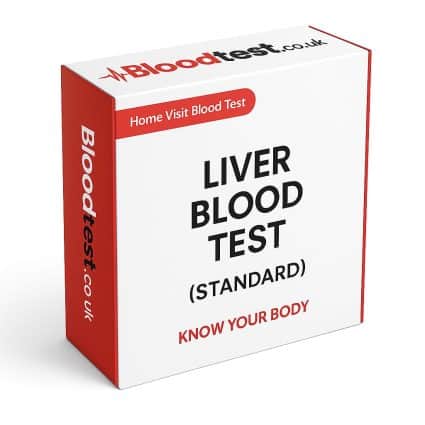
Private Liver Blood Test in Durham: In the UK, individuals regularly undergo a range of liver blood tests specifically designed to assess their hepatic health. Common tests often include Alanine Aminotransferase (ALT), Aspartate Aminotransferase (AST), Alkaline Phosphatase (ALP), and Bilirubin levels. These tests are frequently conducted in local clinics and provide critical insights into liver function and overall health status, enabling early detection of potential health concerns. Understanding these tests is essential for individuals aiming to monitor their liver health effectively.

By gaining a comprehensive understanding of the purposes and implications of these tests, patients can actively participate in their health management, promoting proactive measures towards achieving optimal liver wellness and wellbeing.
Essential Key Indicators Measured in Liver Blood Tests You Should Be Aware Of
Liver blood tests are crucial for identifying potential liver-related health issues by measuring specific biomarkers present within the bloodstream. The primary indicators assessed typically include liver enzymes such as ALT and AST, alongside bilirubin and albumin levels. Any irregularities in these markers can signal underlying health issues, including liver dysfunction or disease. By recognising these vital indicators, healthcare professionals can take timely action, ensuring that patients receive the necessary interventions to effectively maintain their liver health.
How Often Should You Get Liver Blood Tests for Optimal Monitoring?
Regular liver blood tests are particularly recommended for individuals at heightened risk, including those with a family history of liver disease, excessive alcohol consumption, or pre-existing health conditions. Adhering to national health guidelines ensures consistent monitoring of liver health, facilitating the timely identification of any abnormalities while minimising unnecessary procedures. Regular testing acts as a preventative measure, safeguarding individuals against potential liver complications and promoting overall health.
How to Effectively Decode Your Liver Blood Test Results
Understanding the results of your liver blood tests necessitates a clear comprehension of reference ranges and the implications of any abnormal values. It is crucial for patients to consult healthcare professionals when their results fall outside the normal range, as this allows for effective health management. Engaging in discussions about these results empowers patients to make informed decisions regarding their lifestyle choices and treatment options, fostering a collaborative approach to health management.
What Factors Impact the Accuracy of Liver Blood Tests?
Multiple factors can significantly influence the accuracy of liver blood tests in the UK. Lifestyle choices, including diet, medication use, and various environmental factors, play a crucial role in the reliability of test outcomes. To enhance the precision of these test results, patients should adhere to guidelines provided by healthcare professionals, which may include recommendations to abstain from alcohol and fasting before testing. Following these guidelines ensures that test results accurately reflect the true state of an individual’s liver health.
What Is the Step-by-Step Process of a Liver Blood Test?
Understanding the Blood Sampling Procedure for Liver Testing
The blood sampling process for a liver blood test typically follows a straightforward procedure in which a qualified healthcare professional draws blood from a vein in the arm. This procedure is both quick and efficient, adhering to stringent safety protocols designed to ensure patient comfort and minimise any associated risks. Familiarising oneself with this process can help alleviate any anxiety patients may feel regarding the test, empowering them to take an active role in their health assessments.
What Happens During the Laboratory Analysis of Blood Samples?
Once blood samples are collected, they are promptly dispatched to a laboratory for thorough analysis. Advanced technology is employed to ensure precise results, which are fundamental for accurate diagnoses. Laboratories adhere to standard protocols to meticulously examine liver function markers, generating reliable reports that are subsequently shared with healthcare providers. This rigorous process guarantees that any abnormalities are identified swiftly, facilitating timely interventions for patients and enhancing overall healthcare outcomes.
What Are the Potential Risks and Complications to Be Aware Of?
Although liver blood tests are generally regarded as safe, there are minor risks associated with them, such as bruising at the site where blood is drawn. Patients should remain vigilant for these potential complications and seek follow-up care if they notice any unusual symptoms following the test. This proactive approach helps ensure that any post-test issues are addressed promptly, contributing positively to their overall health management.
Essential Preparation Steps Required for a Liver Blood Test
Preparation for a liver blood test in the UK often necessitates fasting for 8 to 12 hours prior to the test. This practice is crucial as it helps mitigate skewed results that may arise from recent food intake. Additionally, healthcare providers may advise patients to avoid certain medications and abstain from alcohol before testing, which aids in ensuring accurate diagnostics. Adhering to these preparation recommendations is vital for maintaining the reliability of test outcomes and optimising health assessments.
Strategic Preparation for Your Upcoming Liver Blood Test
What Foods Should You Consume Before the Test for Best Results?
Before undergoing a liver blood test, it is advisable to have a light meal the night before and to refrain from eating until after the test is completed. Consuming high-fat foods can distort test results, making it crucial to adhere to a balanced diet leading up to the procedure. Additionally, proper hydration is highly recommended, as it supports overall health and can facilitate the blood draw process, ensuring a smoother experience.
What Documentation Is Required for Your Appointment?
Patients attending a liver blood test appointment in the UK should ensure they bring all necessary documentation. This includes a valid form of identification as well as any referral letters if applicable. Having these documents readily available can streamline the appointment process, reducing wait times and contributing to a smoother experience for patients during their visit.
Helpful Recommendations for Post-Test Care and Recovery
After undergoing a liver blood test, patients may experience minor discomfort, which is entirely normal. To aid in recovery, consider the following practical tips:
- Rest as required to allow your body to recuperate.
- Apply a cold compress if bruising occurs at the needle site.
- Stay well-hydrated to help your body recover effectively and support overall health.
- Avoid strenuous activities for the remainder of the day to prevent complications and facilitate healing.
Implementing these measures can help ensure a smooth and swift recovery following your test, allowing you to return to your normal activities with confidence.
Expert Insights on Liver Blood Testing Practices in Durham
Utilising Advanced Diagnostic Techniques for Enhanced Liver Testing
In Durham, healthcare providers are increasingly adopting advanced diagnostic techniques for liver blood tests. Innovations such as non-invasive imaging and enhanced laboratory tests have revolutionised the approach to liver health assessments. These cutting-edge methods allow for more accurate detection of liver conditions, leading to improved patient outcomes and personalised treatment plans. The evolution of these diagnostic tools underscores the importance of staying updated with medical advancements for optimal health management.
Long-Term Health Benefits of Regular Liver Testing
Routine liver blood tests provide substantial benefits for long-term health management strategies. Research indicates that the early detection of liver issues through these tests can enable timely interventions, which are crucial in preventing more severe health complications. By prioritising regular testing, patients can take proactive steps towards safeguarding their liver health and overall well-being, ensuring a higher quality of life and longevity.
When Should You Consult Liver Health Specialists for Concerns?
Engaging a specialist becomes imperative when concerning results arise from a liver blood test. UK healthcare experts recommend seeking further evaluation if patients exhibit warning signs, such as persistent abdominal pain, jaundice, or abnormal test outcomes that require immediate attention. Consulting with specialists can provide deeper insights into liver health and lead to appropriate management strategies tailored to individual needs, enhancing patient care and outcomes.
What Advantages Do Liver Blood Tests Provide for Patients Seeking Health Insights?
Enhanced Early Detection of Liver Issues for Improved Outcomes
In the UK, healthcare practitioners emphasise that regular liver blood tests significantly improve the likelihood of identifying liver problems at an early stage. Early detection is crucial, as it enables timely treatment, which can substantially enhance patient outcomes and reduce the risk of developing severe liver disease. By prioritising these tests, individuals can safeguard their health and ensure that any emerging issues are promptly addressed, leading to better health management.
Significance of Liver Blood Tests in Overall Health and Wellness
Liver blood tests are an integral component of comprehensive health maintenance. By consistently monitoring liver function and identifying potential problems, these tests empower patients to align their lifestyle choices with UK health guidelines. This proactive approach fosters overall wellness and encourages individuals to take charge of their health, resulting in an improved quality of life and enhanced health outcomes.
Cost-Effectiveness and Accessibility of Liver Tests for All Patients
The affordability of liver blood tests in the UK makes them accessible to a broad range of patients, supporting preventive healthcare initiatives without imposing financial burdens. This cost-effectiveness promotes regular testing, which is essential for long-term health management. Encouraging individuals to participate in routine health screenings can lead to healthier communities and reduced healthcare costs in the long run, benefiting everyone.
Essential Support Provided by Liver Blood Tests for Chronic Conditions Management
Liver blood tests play a vital role in managing chronic liver conditions such as hepatitis or cirrhosis. In the UK, these tests enable healthcare providers to closely monitor disease progression and make necessary adjustments to treatment plans. Ongoing monitoring significantly enhances the quality of life for affected individuals, allowing them to manage their condition effectively and maintain a better standard of health through informed healthcare decisions.
How to Effectively Interpret Your Liver Test Results in the UK
Understanding Normal Ranges for Liver Test Results for Better Awareness
Comprehending the normal ranges for liver test results is vital for patients wishing to monitor their health. Typical values are established based on UK standards, and being informed about these ranges can help individuals recognise their liver health status. This knowledge empowers patients to take proactive steps towards their health, encouraging them to seek professional advice when results deviate from the expected norms, promoting timely intervention.
Recognising Indicators of Abnormal Findings in Your Results
Elevated liver test results can indicate potential health issues. Common indicators include heightened liver enzymes or bilirubin levels, which may suggest liver inflammation or damage. Patients should proactively consult healthcare professionals to discuss follow-up actions based on these findings, ensuring that any necessary interventions are implemented promptly for their well-being and health management.
Essential Follow-Up Procedures to Consider After Testing for Comprehensive Care
Upon receiving liver blood test results, patients may need to schedule follow-up appointments or additional treatments. Key actions to consider include:
- Scheduling a follow-up consultation with your healthcare provider to discuss your results in detail.
- Requesting further diagnostic imaging to gain a clearer understanding of liver health.
- Discussing necessary lifestyle modifications to support liver health and overall well-being.
- Considering a referral to a liver health specialist for more comprehensive care and management.
These steps are crucial for ensuring thorough management of liver health and enabling patients to navigate their health journey effectively, fostering better health outcomes.
Engaging with Healthcare Professionals for Optimal Health Management
Patients should engage in open discussions with their GPs or specialists regarding their test results. Understanding the NHS referral processes and asking pertinent questions can significantly enhance patient awareness and contribute to effective liver health management. By fostering a collaborative relationship with healthcare providers, patients can take charge of their health, leading to better overall outcomes and enhanced health awareness.
Frequently Asked Questions About Liver Blood Tests and Their Importance
What Exactly Is a Liver Blood Test and Its Purpose?
A liver blood test evaluates liver function and health by measuring enzymes, proteins, and other substances present in the bloodstream, providing critical insights into liver health.
How Frequently Should I Undergo a Liver Blood Test for Monitoring?
The frequency of testing varies based on individual risk factors; however, those with a history of liver disease may require testing annually or more frequently as advised by their healthcare provider.
What Do Elevated Liver Enzymes Indicate About Health?
Elevated liver enzymes can indicate liver inflammation, damage, or disease, necessitating further investigation and follow-up to determine appropriate treatment and management strategies.
Are There Risks Associated with Liver Blood Tests That I Should Be Aware Of?
While liver blood tests are generally safe, some minor risks include bruising or discomfort at the site where blood is drawn, which typically resolve quickly.
Can Medications Affect My Test Results and What Should I Consider?
Yes, certain medications can interfere with liver blood test results; it is advisable to inform your healthcare provider of any medications you are taking prior to testing for accurate assessment.
How Long Does It Typically Take to Receive Test Results After Testing?
The timeframe for receiving results typically ranges from a few days to a week, depending on the laboratory’s processing time and the specific tests conducted.
What Lifestyle Changes Can Enhance Liver Health Effectively?
Maintaining a balanced diet, engaging in regular physical activity, and avoiding excessive alcohol consumption can significantly improve liver health and overall wellness.
What Steps Should I Take If My Results Are Abnormal?
Consult your healthcare provider immediately to discuss your results and explore potential next steps for further evaluation, treatment options, or lifestyle modifications.
Is Fasting Necessary Before the Test for Accurate Results?
Yes, it is often recommended to fast for 8-12 hours before the test to ensure accurate results and mitigate any influence from recent food intake.
Where Can I Get a Liver Blood Test in Durham for Convenience?
Liver blood tests are available at various local clinics, hospitals, and GP surgeries throughout Durham, providing accessible options for patients seeking health assessments.
Join us on Facebook for more insights into liver health and wellness!
This Article Was First Found On https://bloodtest.co.uk
The Article Liver Blood Test: Essential Information for Durham Residents found first on https://electroquench.com