Improve Your Golf Game by Perfecting Grip Pressure Techniques
Mastering Hand Position for Enhanced Stability
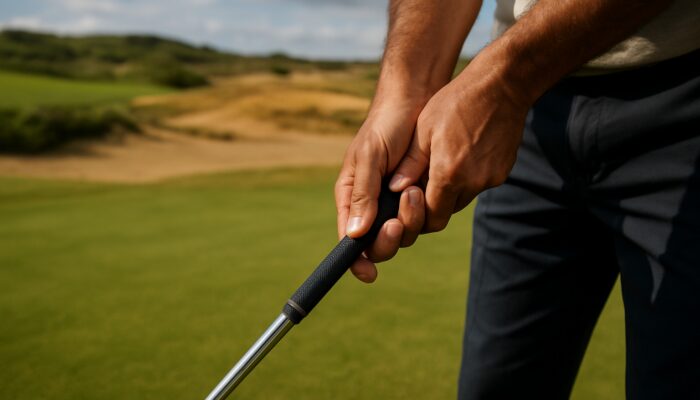
For golfers striving for optimal control during their swings, achieving the right hand position is crucial. On South African fairways, where wind patterns can change unexpectedly, maintaining a grip that is both firm yet relaxed becomes essential. This technique allows players to adapt seamlessly to the diverse grass types found across the country, from the vibrant greens of the Western Cape to the dry, sandy terrains of the Highveld.
To establish stability, golfers should aim to grip the club so that it rests comfortably in their fingers rather than their palms. This method enables the hands to work in harmony with the body, facilitating a natural swing that can adjust to external influences. Consistent practice of this grip will bolster confidence and enhance performance on the course.
Why Is Regular Grip Tension Assessment Important?
Regularly checking grip tension is vital, particularly in humid coastal regions where many South African courses are located. Increased humidity can result in sweaty hands, leading to slippage if grip pressure is not modified accordingly. Continuous evaluation of grip tension is essential for maintaining accuracy, especially during longer drives where precision is paramount.
Golfers must stay attuned to how their grip feels throughout the game. A grip that is overly tight can restrict fluid movement, while one that is too loose may lead to inconsistencies. By assessing grip tension at various stages during play, golfers can improve their performance and effectively respond to changing conditions.
What Adjustments Should You Make for Different Clubs?
Different types of clubs necessitate specific grip pressures to cater to the unique demands of play. For instance, a driver usually requires a lighter grip compared to an iron due to variations in swing mechanics. Golfers should adapt their grip based on whether they are using woods or irons, particularly when transitioning between inland and coastal courses.
Understanding the distinctive requirements of each club can significantly enhance a golfer’s performance. By experimenting with grip pressure across various clubs, players can find the ideal balance that complements their swing style and the specific conditions of the course.
How Do Weather Conditions Impact Grip Pressure?

South African golfers often face rapid changes in temperature and humidity, which directly influence grip feel. These fluctuations require ongoing adjustments to maintain consistent grip pressure throughout the game. For example, cooler mornings may necessitate a firmer grip, while hotter afternoons might call for a looser hold.
Adapting grip pressure to suit weather conditions is crucial for maintaining control during swings. Golfers should closely monitor how their hands feel in different climates and make the necessary adjustments to optimise performance on the course.
What Drills Can Help You Perfect Grip Pressure?
Regular practice is essential for South African golfers to develop muscle memory for the ideal grip pressure. One effective drill involves swinging the club with varying grip tensions, allowing players to feel the differences in control and accuracy. This practice is particularly advantageous when navigating the diverse terrains found locally.
Incorporating grip pressure drills into a training routine deepens players’ understanding of how grip influences their game. Consistent practice enhances control and precision, which are fundamental for overcoming the unique challenges posed by South Africa’s varied golfing landscapes.
Expert Insights on Proper Golf Club Grip Techniques
Learning from Local Tournament Professionals

Experienced coaches often recommend observing elite players during local tournaments to refine grip techniques. For instance, the Sunshine Tour showcases how players effectively adapt their grips to dry fairway conditions. Watching these professionals can provide invaluable insights into grip adjustments tailored to specific course environments.
Local tournaments also demonstrate how various grip styles can influence performance. By studying the grip techniques of successful players, amateurs can learn to modify their approaches to enhance their game. This firsthand observation can have a profound impact on aspiring golfers.
Effective Strategies for Daily Practice
Engaging in repetitive drills with fellow club members can significantly reinforce muscle memory. Practising together in a collaborative environment allows players to share personalised tips and techniques suited to the highveld altitudes and intense sunlight characteristic of South Africa.
Daily practice sessions should concentrate on specific grip drills, such as the split grip or the baseball grip. These techniques encourage players to experiment and determine what works best for their individual swing styles, ultimately leading to improved performance on the course.
Understanding the Advancements in Grip Technology
Professionals note that advancements in materials have revolutionised the feel and performance of grips. Innovations in grip technology, including rubber compounds and textured surfaces, provide amateurs with an enhanced hold, particularly during the intense summer heat experienced on South African greens.
These developments enable golfers to maintain control without excessive gripping, which can cause tension in the hands and arms. Understanding the evolution of grip materials helps players make informed choices about their equipment, ultimately improving their performance.
How Do Weather Conditions Influence Your Grip Selection?
Impact of Summer Humidity on Grip Choices
The humid air that prevails during summer months can significantly affect grip selection. Many regions in South Africa experience high humidity, making tackier grips essential to prevent twisting during damp rounds. A grip that provides traction is crucial for avoiding mishits that can disrupt a game.
Golfers should select grips specifically designed for humid conditions, as these can enhance performance by offering a more secure hold. The right grip material can dramatically influence how confidently players approach their shots on the course.
Selecting Appropriate Grip Materials for Dry Seasons
During dry seasons, golfers should opt for materials that offer greater durability against the dusty winds typical of inland courses. Leather grips, for example, provide a classic feel and can withstand the challenges of dry play, ensuring players maintain a consistent hold throughout their rounds.
Recognising the environmental factors that affect grip performance is essential. By selecting the appropriate materials, golfers can enhance their comfort and control, leading to improved scores on demanding local layouts.
Which Grip Aids Are Most Effective for Rainy Conditions?
Water-resistant tapes and grips are vital for local golfers who frequently encounter sudden rain showers. These grip aids help maintain a secure hold in wet conditions, allowing players to focus on their swings without the distraction of slippage.
Investing in quality grip aids can significantly enhance performance during rainy rounds. Golfers should consider gloves with advanced grip technology or wraps that improve traction, ensuring they maintain control regardless of the weather.
Selecting Grips for Hot Weather Play
High temperatures across many local courses demand the use of perforated or moisture-wicking materials. These grips help reduce slippage, allowing golfers to maintain reliable control during prolonged rounds in the sweltering sun.
Choosing grips designed for hot weather can enhance comfort and performance. Players should seek options that facilitate airflow and wick away moisture, ensuring their hands remain dry and secure throughout the game.
Proven Strategies for Mastering Golf Club Grip Skills
Comparing Overlap and Interlock Grip Styles
Local instructors frequently recommend the overlap grip for players with larger hands. This technique is especially well-suited for bigger grips typically used on longer courses, providing a more comfortable hold. Mastering the overlap grip enhances shot consistency and control, particularly on challenging layouts.
On the other hand, the interlock grip may benefit players with smaller hands, as it fosters a secure connection between the hands. Understanding the differences between each grip style assists golfers in selecting the method that aligns best with their hand size and swing dynamics, ultimately enhancing their game.
Key Advantages of Upholding Consistent Practice Routines
– Enhanced shot control
– Reduced fatigue
– Improved accuracy in varying conditions
– Boosted confidence during play
– Strengthened muscle memory
– Increased adaptability to course changes
Establishing consistent practice routines cultivates these benefits, empowering golfers to refine their techniques and build a robust foundation for their game. The significance of regular practice cannot be overstated, as it leads to tangible improvements on the course.
Daily Refinement of Finger Placement
Small adjustments in finger placement can yield significant performance enhancements. Golfers should regularly evaluate their grip to ensure their fingers are correctly positioned on the club. This practice is particularly critical when adapting to the firm turf found across the country, as it greatly affects shot accuracy and control.
By dedicating time to refine finger placement, players can uncover subtle nuances that lead to a considerable difference in their swings. Experimenting with minor variations can help golfers identify their ideal grip, resulting in improved outcomes on the course.
How to Sustain Consistent Grip Tension Throughout Your Swing
For local golfers, maintaining steady grip pressure is essential, especially when dealing with gusty coastal winds. Consistent grip tension ensures better clubface control and more reliable ball striking, whether playing on inland or seaside courses.
Players should concentrate on establishing a routine that promotes consistent grip tension throughout their swings. This practice not only enhances performance but also fosters confidence, enabling golfers to navigate challenging conditions with assurance.
Recognising the Effects of Incorrect Gripping
How to Spot Slice Tendencies Early
Poor grip techniques often result in slice tendencies, leading to wayward shots that can be frustrating, particularly on open local courses with few trees for guidance. Early identification of these tendencies allows golfers to make necessary adjustments before they become ingrained habits.
By monitoring grip pressure and hand positioning, players can pinpoint potential issues and correct them before adversely affecting their performance. Early detection is crucial for maintaining accuracy and consistency on the course.
Advantages of Promptly Addressing Grip Issues
– Accelerated improvement
– Fewer injuries
– Greater enjoyment during weekend play
– Increased confidence in shot-making
– Overall enhanced performance
Addressing grip errors early can lead to substantial benefits, allowing golfers to enjoy their time on the course while honing their skills. Timely intervention is vital for sustained success.
Avoiding Hook Problems While Playing
Overly tight grips frequently lead to hook issues, causing frustration for many amateurs on undulating greens. An excessively tight grip restricts the natural movement of the club, often resulting in pulls that can disrupt a player’s game.
Golfers should aim for a balanced grip that allows for smooth motion. By prioritising a relaxed hold, players can minimise the likelihood of hooks and enhance their overall performance on the course.
The Importance of Regular Grip Practice
Creating a Routine with Mirror Exercises
Conducting daily checks in front of a mirror can assist local golfers in perfecting their grip form before heading to the range. This practice enables players to visually assess their grip and make necessary adjustments, ensuring they cultivate a consistent technique.
Utilising a mirror for refining grip technique fosters a deeper understanding of how hand positioning affects performance. This self-assessment method is an invaluable resource for players seeking to elevate their skills and confidence on the course.
Monitoring Your Progress Over Time
Maintaining a journal to document progress can reveal improvements tailored to the unique challenges of regional course designs. Recording changes in grip technique and performance helps golfers identify patterns and areas for further enhancement.
Regularly reviewing progress inspires players to remain committed to their practice routines. This reflection nurtures a growth mindset, allowing golfers to appreciate their journey while continuously striving for improvement.
How Often Should You Evaluate Your Grip Technique?
Weekly sessions with peers provide an excellent opportunity for golfers to assess their grip technique and ensure ongoing adaptation to seasonal changes in playing conditions. Collaborating with fellow players can yield valuable insights and shared experiences that enhance learning.
Engagement with peers fosters a supportive environment where golfers can exchange tips and techniques. This collaborative approach can significantly improve grip consistency and overall performance on the course.
Maximising the Use of Training Aids
Many South African golfers find value in using specialised grip trainers during practice sessions. These tools assist players in developing muscle memory that withstands the challenges posed by windy coastal courses and highveld altitudes.
Training aids provide immediate feedback, helping golfers refine their grip technique and establish a more consistent hold. Integrating these aids into practice routines can lead to substantial performance improvements over time.
Connecting with Fellow Golf Enthusiasts
Participating in group practice sessions at local ranges creates a supportive atmosphere where players can share tips on achieving consistent grips. This collaboration is especially beneficial when adapting to the distinct grass types and soil conditions found across various provinces.
Engaging with fellow enthusiasts enriches the learning experience and provides valuable insights. Sharing experiences and techniques can contribute to improved grip consistency, ultimately benefiting all players involved.
Frequently Asked Questions
What is the most effective grip technique for beginners?
The most suitable grip for beginners is often the overlap grip, as it provides stability and control. Experimenting with different grips can assist players in discovering the one that feels most comfortable and effective for their style.
How can I determine if my grip pressure is too high?
If your hands feel tense or fatigued after a few swings, your grip pressure may be excessive. A relaxed grip allows for better control and prevents unnecessary strain during play.
Do weather conditions genuinely affect my grip performance?
Yes, weather has a considerable impact on grip performance. Variations in humidity and temperature can alter how a grip feels, necessitating adjustments to sustain control and accuracy.
How frequently should I replace my grips?
It is advisable to change your grips every 30-40 rounds or whenever they show signs of wear. Regularly assessing the condition of your grips ensures optimal performance and control.
What grip size is appropriate for my hands?
Grip size depends on hand size. A general guideline is that if your fingers overlap while gripping, you may need a larger grip. Consulting a professional can help determine the best size for you.
How can I enhance my grip consistency?
Regular practice, utilisation of training aids, and engagement with fellow golfers can enhance grip consistency. Focusing on proper technique and establishing a routine is crucial for developing a reliable grip.
Are there differences between men’s and women’s grips?
Yes, men’s grips are generally larger than women’s. Women typically benefit from smaller grips that accommodate their hand size, promoting better control and comfort during play.
Which materials are optimal for grips in humid conditions?
Tacky rubber or synthetic materials are ideal for humid environments, as they provide superior traction and help prevent slippage during swings.
Does grip tension affect my swing mechanics?
Absolutely. Grip tension plays a crucial role in swing mechanics. Excessive tension can create strain in the arms, while insufficient grip can lead to loss of control.
Should I wear gloves while playing?
Wearing gloves can enhance grip and reduce the risk of blisters. They provide added traction, especially in humid conditions, helping golfers maintain control throughout their swings.
Visit our Facebook profile for more tips!
The Article How to Grip a Golf Club Correctly: Local Player Tips First Published On: https://golfdaybuddy.com
The Article Grip a Golf Club Correctly: Tips From Local Players Was Found On https://limitsofstrategy.com
The Article Grip a Golf Club Correctly: Insights From Local Golfers found first on https://electroquench.com