Your Comprehensive Resource for Cholesterol Blood Testing Insights
What Is the Process Involved in a Cholesterol Blood Test?
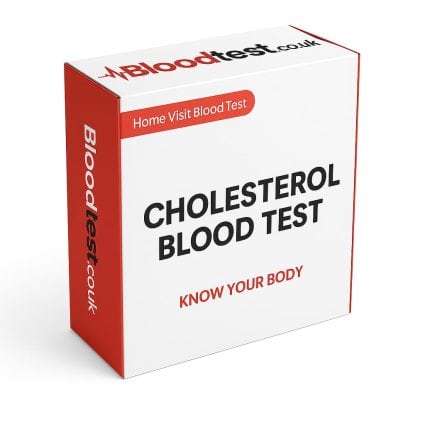
Private Cholesterol Blood Test in Wolverhampton: The cholesterol blood test is a crucial part of the UK’s healthcare system, specifically designed to evaluate the levels of various lipids, or fats, found in the bloodstream. This essential test provides vital insights into an individual’s cardiovascular health, enabling the early identification of potential health issues such as high cholesterol. General Practitioners (GPs) throughout the NHS regularly incorporate these tests into standard health check-ups, ensuring that they remain accessible to a broad demographic.

By thoroughly analysing the test results, healthcare professionals can offer tailored lifestyle advice and initiate treatment plans when necessary, thereby effectively managing cholesterol levels. Patients typically receive their results within a few days, which empowers them to make informed choices about their health.
Understanding cholesterol levels is vital, as the test evaluates low-density lipoprotein (LDL), commonly known as “bad cholesterol,” and high-density lipoprotein (HDL), referred to as “good cholesterol.” The balance between these two types significantly influences cardiovascular health. Timely interventions based on test results can lead to constructive lifestyle changes, medical treatments, and enhancements in overall heart health, a pressing concern in the UK, where heart disease remains a leading health issue.
What Are the Different Types of Cholesterol Evaluated During the Test?
In the UK, cholesterol blood tests typically assess three critical components: LDL cholesterol, HDL Cholesterol, and Triglycerides. Each of these components plays a unique role in supporting cardiovascular health, making their assessment essential for a thorough evaluation.
– LDL Cholesterol: Often labelled as “bad cholesterol,” elevated levels of LDL can lead to plaque formation in the arteries, thereby increasing the risk of heart disease and stroke.
– HDL Cholesterol: Commonly referred to as “good cholesterol,” higher HDL levels are advantageous as they help in removing LDL cholesterol from the bloodstream, consequently lowering the risk of heart disease.
– Triglycerides: This type of fat found in the blood can indicate an increased risk for heart disease, particularly when paired with high LDL levels or low HDL levels.
By understanding these components, healthcare providers can devise effective health plans tailored to mitigate cardiovascular risks. The NHS adheres to established guidelines for interpreting these lipid levels, enabling early interventions that can substantially improve patient outcomes.
Why Are Cholesterol Blood Tests Essential Within the UK Health Framework?
Cholesterol blood tests are fundamental to the preventive health strategies advocated by the NHS. The importance of these tests is highlighted by several key benefits, including:
- Early detection of high cholesterol levels facilitates timely lifestyle modifications or medical treatments.
- Cost-effectiveness, as preventive measures can significantly reduce the long-term financial burdens associated with chronic health conditions.
- Guidance for healthcare practitioners in managing patients’ overall heart health as part of routine health evaluations.
- Integration with nationwide health campaigns aimed at decreasing the prevalence of cardiovascular diseases across the UK.
These advantages collectively contribute to a healthier population, aligning with the UK’s overarching public health objectives. By prioritising regular cholesterol testing, the NHS addresses immediate health concerns while simultaneously promoting long-term wellness for all its citizens.
What Is the Procedure for Conducting a Cholesterol Blood Test?
What Does the Cholesterol Testing Process Entail?
The cholesterol blood test procedure in the UK is designed to be straightforward and minimally invasive. Typically conducted at local clinics or GP surgeries, this test adheres to rigorous NHS protocols to ensure both accuracy and patient safety. A qualified healthcare professional collects a small blood sample, usually from a vein in the arm, using a sterile needle. The entire process generally lasts just a few minutes, making it easy for patients to fit into their routine health visits.
Patients may be advised to abstain from eating for several hours before the test; however, recent guidelines indicate that certain tests can be performed without fasting. This is particularly relevant since fasting can yield more accurate readings, especially for triglycerides. Once the blood sample is collected, it is dispatched to a laboratory for thorough analysis. Patients typically receive their results within a few days, providing a detailed overview of their cholesterol levels and overall heart health.
What Level of Discomfort Should You Expect During the Test?
Most individuals find the cholesterol blood test to be a quick and slightly uncomfortable procedure, akin to a routine pinprick. Skilled staff in NHS clinics are well-trained in performing blood draws efficiently and with minimal discomfort, helping to ease any concerns patients may have regarding the procedure.
While some individuals might feel a brief sensation of pain or discomfort during needle insertion, this typically subsides almost immediately. After the test, patients may notice slight bruising or tenderness at the puncture site, but these effects are generally short-lived and resolve quickly. The accessibility and relative painlessness of this procedure encourage more individuals to prioritise their heart health through regular testing.
How Are Cholesterol Test Results Interpreted by Healthcare Professionals?
Once results are available, a healthcare professional typically interprets them using national thresholds established by the NHS to classify cholesterol levels. The results usually encompass measurements for LDL, HDL, and triglycerides, expressed in millimoles per litre (mmol/L).
Understanding these figures is crucial for patients. For instance, an LDL level exceeding 3.0 mmol/L may indicate a heightened risk of heart disease, whereas HDL levels below 1.0 mmol/L (for men) or 1.2 mmol/L (for women) suggest a need for improved heart health strategies. Healthcare providers will thoroughly explain the results, discuss their implications, and recommend subsequent steps based on individual health profiles. This approach not only empowers patients to take control of their health but also aligns with best practices in cholesterol management throughout the UK.
Expert Recommendations on Cholesterol Blood Testing in Wolverhampton
How to Prepare Effectively for Your Cholesterol Test
Preparation for a cholesterol blood test is critical for ensuring accurate results. Experts in the UK recommend several key steps to enhance the effectiveness of the test. Firstly, fasting for 9 to 12 hours before the test is generally suggested, particularly for triglyceride measurements. This means avoiding all food and drink except water during this period.
Additional preparatory recommendations include:
- Refraining from fatty foods and alcohol for at least 24 hours before the test.
- Staying well-hydrated by drinking water, which can facilitate a smoother blood draw.
- Consulting your GP regarding any medications that may influence cholesterol levels.
- Keeping a record of any symptoms or health changes to discuss during your appointment.
Adhering to these recommendations can significantly improve the accuracy of the results, providing a clearer picture of an individual’s cholesterol health. Proper preparation leads to better outcomes and promotes a proactive approach to maintaining heart health.
What Common Misconceptions Surround Cholesterol Blood Tests?
Numerous misconceptions persist regarding cholesterol blood tests in the UK, leading to misunderstandings about their necessity. One prevalent myth is that these tests are solely important for older adults. In actuality, cholesterol levels can pose risks at any age, and early testing can help detect potential problems before they escalate into more serious conditions.
Another widespread belief is that cholesterol tests are only necessary for individuals with a family history of heart disease. While family history is certainly a significant risk factor, everyone stands to gain from understanding their cholesterol levels, as lifestyle choices can heavily influence lipid profiles.
Experts stress the importance of testing irrespective of age or background, highlighting that:
- Young adults should also monitor their cholesterol levels, particularly if they exhibit lifestyle risk factors.
- Regular testing can uncover issues early, allowing for lifestyle adjustments to mitigate future risks.
- Informed patients are better equipped to make healthier decisions.
- Public health campaigns advocate routine cholesterol screening as a preventive measure for all demographics.
By dispelling these myths, healthcare professionals can enhance public understanding of cholesterol health, leading to improved outcomes within the community.
When Should You Seek Medical Advice About Your Cholesterol Levels?
It is essential to consult a doctor regarding cholesterol levels, especially if there is a family history of heart disease or other risk factors such as obesity or diabetes. Experts recommend that adults commence cholesterol testing at age 40, with more frequent assessments for those with elevated risk factors.
It is advisable to seek medical attention if you experience symptoms such as chest pain, shortness of breath, or any other unusual indicators, as these could signify cardiovascular complications. Additionally, individuals with conditions like hypertension or diabetes should be particularly vigilant about their cholesterol levels, as these conditions can exacerbate the risks of heart disease.
Regular consultations with local healthcare providers in Wolverhampton foster ongoing monitoring and personalised care. By adopting a proactive approach, individuals can promptly address potential issues, contributing to a healthier overall community.
Research-Backed Advantages of Cholesterol Blood Testing in Wolverhampton
Health Benefits Associated with Cholesterol Testing in the UK
Cholesterol blood tests significantly enhance heart health across the UK by enabling early detection and intervention. Research indicates that proactive management of cholesterol levels through consistent testing can lead to a substantial reduction in stroke risk. For instance, studies have demonstrated that individuals receiving timely treatment for high cholesterol are less likely to experience cardiovascular events compared to those who do not undergo regular screenings.
Local initiatives in Wolverhampton have underscored the effectiveness of these tests within the community, showcasing a decrease in hospitalisations for heart conditions. NHS programmes focusing on preventive care, including cholesterol testing, have played a crucial role in improving overall community health outcomes, further reinforcing the significance of consistent screenings.
Moreover, the data gathered from these tests informs public health policies, enabling targeted community health interventions that effectively address local health concerns. The NHS’s commitment to preventive care through cholesterol testing is a vital component in promoting long-term health for all citizens.
What Effective Strategies Exist for Preventing Heart Disease?
Regular cholesterol testing is pivotal in preventing heart disease within the UK. By identifying elevated LDL levels early, healthcare providers can recommend lifestyle changes and, if necessary, initiate medical treatments to lower cholesterol. This proactive approach is essential, given that heart disease ranks as a leading cause of mortality in the UK, making prevention a top priority.
Evidence suggests that consistent cholesterol monitoring can yield significant public health improvements. For example, dietary interventions, exercise programmes, and smoking cessation initiatives derived from cholesterol test results have proven effective in decreasing the incidence of heart disease.
Furthermore, national research supports the notion that early intervention can considerably reduce heart disease rates, emphasising the importance of cholesterol blood tests. Through regular screenings, individuals are empowered to make informed decisions that lead to healthier lifestyles and a diminished risk of heart-related complications.
Long-Term Benefits of Consistent Cholesterol Testing
Ongoing cholesterol testing offers long-term advantages that contribute to overall wellbeing in the UK. By regularly monitoring cholesterol levels, healthcare providers can track improvements and adjust treatment plans as necessary. This longitudinal approach not only promotes better heart health but also encourages patients to maintain healthier lifestyles over time.
Evidence from health trials in the UK indicates that individuals who engage in regular cholesterol monitoring experience sustained benefits, including lower rates of heart disease and enhanced quality of life. Additionally, routine check-ups instil a sense of accountability in patients, motivating them to adhere to healthy eating habits and exercise routines.
The long-term advantages of cholesterol testing extend beyond individual health; they also contribute to improved public health. By reducing the prevalence of heart diseases, communities can enjoy lower healthcare costs and better health outcomes, aligning with the NHS’s mission to enhance the health of the nation.
Enhancing Community Health Outcomes in Wolverhampton
In Wolverhampton, cholesterol testing has led to significant improvements in community health outcomes, as highlighted by local research. Proactive initiatives led by the NHS focusing on cholesterol screening have resulted in a notable reduction in heart-related hospitalisations. These programmes not only address individual health concerns but also foster a culture of health awareness within the community.
Community engagement plays a crucial role in these initiatives. Local health campaigns educating residents about the importance of cholesterol testing have resulted in increased participation in screening programmes. This heightened awareness has enabled earlier detection of high cholesterol levels, empowering individuals to take timely action and reduce their risk of heart disease.
Furthermore, collaborative efforts between local healthcare providers and community organisations have improved access to testing services, ensuring that more residents benefit from regular cholesterol monitoring. By prioritising cholesterol health, Wolverhampton sets a benchmark for other communities, demonstrating the tangible benefits of proactive health management.
What Preparation Steps Should You Undertake for the Test?
What Are the Immediate Results of the Cholesterol Blood Test?
Understanding the immediate outcomes of a cholesterol blood test is essential for individuals seeking to enhance their health. The test results provide prompt insights into cholesterol levels, enabling patients to make timely lifestyle adjustments. After receiving their results, patients can engage in meaningful discussions with their healthcare providers regarding necessary changes to their diet and exercise routines.
Immediate outcomes may also involve recommendations for further tests or interventions if cholesterol levels fall outside the normal range. These actionable insights empower individuals to take charge of their health and implement necessary changes to mitigate risks associated with high cholesterol. By emphasising immediate outcomes, patients can commit to effectively managing their heart health.
How Can the Test Encourage Lifestyle Modifications?
A cholesterol blood test serves as a powerful motivator for lifestyle modifications, inspiring individuals to adopt healthier habits. In the UK, numerous studies have indicated that patients who receive their cholesterol results are more inclined to make positive dietary and lifestyle changes. For instance, individuals may feel motivated to reduce their saturated fat intake, increase their physical activity, and incorporate more fruits and vegetables into their daily diets.
These lifestyle adjustments not only positively affect cholesterol levels but also enhance overall wellbeing. Regular follow-ups with healthcare providers reinforce these beneficial changes, offering support and encouragement as individuals work towards their health goals. By integrating cholesterol testing into routine healthcare, the NHS fosters a holistic approach to heart health management while advocating for sustainable lifestyle changes.
Why Is Continuous Tracking of Cholesterol Levels Important?
Consistent monitoring of cholesterol levels over time is vital for maintaining heart health in the UK. Repeated tests enable healthcare providers to track improvements, ensuring that patients remain on the right path in their health journeys. Regular monitoring is particularly important for individuals with a history of high cholesterol or other cardiovascular risk factors, as it allows for timely interventions to address emerging issues.
Ongoing testing is a standard component of care routines, and the data collected helps healthcare professionals tailor treatment plans to meet each individual’s needs. This personalised approach not only enhances patient outcomes but also encourages individuals to take responsibility for their health.
Moreover, the continual monitoring of cholesterol levels contributes to broader public health initiatives. By analysing data trends, health authorities can identify population health needs and implement targeted interventions, ultimately improving community health outcomes in Wolverhampton and beyond.
What Dietary Preparations Should Be Made Prior to the Test?
Dietary preparation in the weeks leading up to a cholesterol blood test can significantly optimise results. In the UK, healthcare providers generally recommend adhering to a balanced diet that includes plenty of fruits, vegetables, whole grains, and lean proteins. Individuals should focus on minimising saturated and trans fats, which can have an adverse effect on cholesterol levels.
Consulting with a GP for personalised dietary advice is essential, as they can provide tailored recommendations based on individual health profiles. Additionally, individuals may find it beneficial to maintain a food diary to monitor their eating habits, pinpointing areas for improvement. Simple lifestyle changes, such as incorporating more omega-3 fatty acids from sources like fish and nuts, can also positively influence cholesterol levels.
By prioritising dietary preparation, patients can enhance their test results and establish a solid foundation for long-term heart health. The connection between diet and cholesterol levels underscores the necessity of a holistic approach to health management, encouraging individuals to take proactive steps towards healthier living.
How to Access Cholesterol Testing Services in the UK
Where to Locate Local Clinics and GPs for Cholesterol Testing
Accessing cholesterol tests in Wolverhampton is straightforward, with numerous local clinics and GP surgeries offering these essential services. The NHS ensures that residents have convenient access to cholesterol testing as part of its commitment to community health. Patients can easily schedule an appointment with their GP or visit a local clinic to undergo a cholesterol blood test.
NHS staff are well-trained to conduct these tests efficiently, ensuring a seamless experience for all individuals looking to monitor their heart health. Additionally, many clinics provide supplementary health screenings alongside cholesterol tests, allowing patients to maximise their visit and address multiple health concerns in a single appointment.
The availability of cholesterol testing services at local clinics reflects the NHS’s emphasis on preventive care, underscoring the significance of regular screenings in maintaining community health.
What Services Does the NHS Provide for Cholesterol Testing?
In the UK, cholesterol tests are often available through free or low-cost options provided by the NHS, making testing accessible to all residents. NHS services are designed to integrate cholesterol testing with comprehensive healthcare, ensuring individuals receive the support and guidance necessary to effectively manage their cholesterol levels.
These services include routine check-ups, health assessments, and referrals to specialists when appropriate. The NHS’s commitment to preventive healthcare guarantees that residents can access cholesterol testing without financial barriers, thus promoting proactive heart health management.
Furthermore, local health campaigns frequently advocate for cholesterol testing, enhancing community engagement and participation in preventive health measures. By utilising NHS resources, residents of Wolverhampton can prioritise their heart health with confidence.
How to Schedule an Appointment for Your Cholesterol Test?
Booking an appointment for a cholesterol test in the UK is a straightforward process. Individuals can directly contact their GP’s office or utilise online portals provided by the NHS. Many GP practices now offer online booking systems, enabling patients to conveniently schedule appointments from the comfort of their homes.
When booking, patients may be asked to provide relevant health information or details regarding any symptoms they are experiencing. This information assists healthcare providers in preparing for the appointment and tailoring the consultation to the patient’s specific needs.
Ensuring timely access to cholesterol tests is crucial for effective cholesterol management. By streamlining the booking process, the NHS facilitates regular screenings, empowering individuals to take charge of their heart health and make informed decisions regarding their overall wellbeing.
Common Questions About Cholesterol Testing Answered
What Is the Purpose of a Cholesterol Blood Test?
A cholesterol blood test evaluates the levels of LDL, HDL, and triglycerides in your blood to assess potential heart health risks.
How Often Should I Undergo a Cholesterol Blood Test?
It is generally recommended that adults undergo a cholesterol blood test every 4 to 6 years, or more frequently if you possess risk factors for heart disease.
Is Fasting Required Before the Test?
Fasting for 9 to 12 hours is typically recommended, particularly for accurate triglyceride measurements, but consult your GP for specific guidance.
What Levels Are Considered Normal for Cholesterol?
Normal levels are usually below 5.0 mmol/L for total cholesterol, with LDL below 3.0 mmol/L and HDL above 1.0 mmol/L for men and 1.2 mmol/L for women.
Does the Test Cause Pain?
Most individuals find the test to be only mildly uncomfortable, comparable to a quick pinprick, with trained NHS staff ensuring minimal discomfort.
When Can I Expect to Receive My Results?
Results are typically available within a few days, allowing you to make timely health decisions based on your cholesterol levels.
What Steps Should I Take If My Cholesterol Levels Are Elevated?
If your cholesterol levels are high, consult with your GP regarding lifestyle changes, which may include dietary modifications and increased physical activity.
Can Children Have Cholesterol Blood Tests?
Yes, children can be tested for cholesterol, particularly if there is a family history of heart disease or other present risk factors.
Are Cholesterol Tests Available for Free?
Yes, cholesterol tests are generally accessible at no cost or at a low cost through the NHS, ensuring that everyone can benefit.
What Lifestyle Changes Can Effectively Lower Cholesterol?
Adopting a healthy diet, exercising regularly, quitting smoking, and managing stress can effectively lower cholesterol levels.
Connect with us on Facebook!
This Article Was First Found On https://bloodtest.co.uk
The Article Cholesterol Blood Test Tips and Facts for Wolverhampton Residents found first on https://electroquench.com