Explore the Transformative Advantages and Features of Barefoot Shoes
What Are Barefoot Shoes and What Benefits Do They Offer?

Barefoot shoes represent a groundbreaking category of footwear meticulously crafted to replicate the natural shape and functionality of the human foot. Unlike conventional shoes, which frequently restrict movement and flexibility, barefoot shoes foster a deeper connection between your feet and the ground. This innovative design facilitates a more organic experience for walking and running, allowing your feet to adapt and respond instinctively to diverse surfaces. The minimalist design of barefoot shoes enhances proprioception, which is your body’s awareness of its position and movements, ultimately contributing to improved foot health and overall well-being.
At MyShoesFinder, we are dedicated to offering a range of barefoot shoes specifically tailored for active individuals who aspire to achieve optimal foot health and performance. Our platform links users to a comprehensive selection of barefoot shoe options designed to accommodate a variety of needs and preferences. Through affiliate partnerships and targeted product recommendations, we guide users towards informed purchasing decisions that align seamlessly with their lifestyle and foot health goals.
This comprehensive guide investigates several essential aspects of barefoot shoes, including their unique features, how they differ from traditional footwear, and expert insights on selecting the perfect pair. We will delve into the myriad advantages of transitioning to barefoot shoes and provide valuable tips on the adjustment process, equipping you with the knowledge necessary to make informed choices for your foot health.
- Understanding the key attributes of barefoot shoes
- Essential differences between barefoot and traditional footwear
- How to select the right size and fit for optimal comfort
- Expert strategies for a successful transition to barefoot shoes
- Benefits of barefoot shoes for improved posture and overall foot health
How Do Barefoot Shoes Differ from Conventional Footwear?
The key differences between barefoot shoes and conventional footwear arise from their construction and intended functionality. Traditional shoes typically incorporate a thicker sole and cushioning, which can impede the natural movement and biomechanics of the foot. In contrast, barefoot shoes are characterised by their thinner soles, allowing your foot to detect the ground beneath it. This design encourages a more natural gait and movement pattern, promoting healthier foot dynamics and overall functionality.
Another notable distinction is the drop, which refers to the height variation between the heel and the toe. Traditional footwear often features a pronounced heel elevation that disrupts natural gait mechanics. Conversely, barefoot shoes typically embrace a zero-drop design, which nurtures a more natural foot position. This design fosters a forefoot or midfoot strike, significantly lowering the risk of injuries while encouraging a more stable and balanced stride.
| Feature | Traditional Footwear | Barefoot Shoes |
|---|---|---|
| Sole Thickness | Thicker | Thinner |
| Drop | Elevated Heel | Zero-Drop |
| Cushioning | High | Minimal |
Additionally, the materials used in barefoot shoes often possess greater flexibility, enhancing agility and making them suitable for a variety of activities. This combination of features highlights the fundamental philosophy of barefoot shoes: to cultivate a more authentic and functional relationship between your feet and the ground, ultimately promoting health and performance in daily movement.
What Essential Features Should You Prioritise When Choosing Barefoot Shoes?
When selecting the perfect pair of barefoot shoes, several crucial features play a significant role in ensuring they meet your specific needs and preferences. One important characteristic to prioritise is flexibility. Your shoes should accommodate natural foot movement, enabling them to flex and bend with each step. To evaluate this, try twisting the shoe; a genuinely flexible shoe will bend easily at the forefoot, confirming its suitability for your foot's natural motion.
Another critical aspect to consider is the weight of the shoe. Lightweight materials greatly enhance comfort and promote a more natural gait. Look for options crafted from materials such as mesh or lightweight synthetics that offer breathability while ensuring durability, keeping your feet comfortable during a variety of activities.
| Feature | Importance | Recommended Type |
|---|---|---|
| Flexibility | Facilitates Natural Movement | Pass the Twist Test |
| Weight | Enhances Comfort | Mesh/Synthetic |
| Zero-Drop Design | Maintains Natural Foot Position | Essential |
A wider toe box is also essential for allowing your toes to spread naturally. A cramped toe area can lead to discomfort and potential issues such as bunions or plantar fasciitis. Ensure that ample space exists for your toes to move freely, contributing to both comfort and stability during walking or running activities.
Finally, consider the traction and grip of the shoe. Whether navigating rocky trails, wet pavements, or urban settings, effective grip is vital for maintaining stability and preventing slips. Look for shoes with thoughtfully designed outsoles that deliver reliable traction on various surfaces, ensuring your safety and comfort during all activities.
Finding the Ideal Pair of Barefoot Shoes to Suit Your Needs
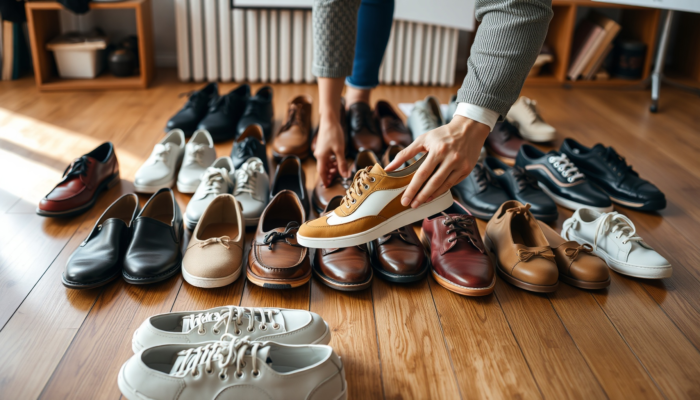
What Size Should You Choose When Selecting Barefoot Shoes?
Choosing the correct size for barefoot shoes is essential for both comfort and optimal performance. Unlike traditional shoes, barefoot shoes often fit differently due to their unique designs, which prioritise a natural fit. A proper fit allows your foot to move and flex naturally, enhancing the numerous benefits that barefoot footwear can offer.
When trying on barefoot shoes, aim for a thumb’s width of space between your longest toe and the front of the shoe. This extra room is crucial for ensuring that your toes have enough space to splay naturally. Additionally, take the opportunity to walk or jog around the store to assess the fit and comfort level of the shoes before making a final decision.
| Fit Criteria | Recommended Measurement |
|---|---|
| Space Between Toe and Shoe | Thumb’s Width |
| Midfoot Fit | Snug but Not Tight |
If one foot is slightly larger than the other, opt for a size that accommodates your larger foot. It is also vital to note that different brands may exhibit slight variations in sizing; therefore, always refer to the specific sizing charts provided by the manufacturer for the most accurate fit.
Lastly, consulting with experts or communities focused on minimal footwear can provide invaluable insights. They can share essential information about sizing, fit, and personal experiences, helping you make a well-informed decision that caters to your foot type and intended activities.
What Strategies Can Help You Transition Successfully to Barefoot Shoes?
Transitioning to barefoot shoes can be a life-changing journey, but it requires a mindful approach to avoid potential injuries. Many individuals have successfully moved from traditional footwear to barefoot shoes by following a structured transition plan. For example, a long-distance runner accustomed to cushioned sneakers began their transition by incorporating short, slow runs into their routine.
An effective strategy for transitioning involves incremental increases in wear time. Start by wearing your barefoot shoes for brief periods during casual strolls, gradually extending the duration as your feet adapt. Aim for a 10-20% increase in wear time each week to allow your body to adjust without overstressing or discomfort.
Incorporating specific exercises into your routine can significantly aid the transition process. Strengthening exercises for your feet, such as toe curls, calf raises, and balance drills, can help build the essential muscle strength needed to adapt to barefoot movement. Moreover, engaging in activities like yoga or tai chi can enhance flexibility and balance, both crucial for mastering the barefoot experience.
Listening to your body throughout this transition period is paramount. If you experience discomfort, take a break and reassess your approach. Consider reducing the intensity or duration of your activities until your body adjusts. By adopting a mindful approach, you can foster a successful transition to barefoot shoes while minimising the risk of injury.
What Materials Should You Look For in Quality Barefoot Shoes?

When selecting barefoot shoes, the materials utilised can significantly affect your comfort and performance. Seek shoes constructed from breathable fabrics that allow for adequate airflow, essential for maintaining foot health. Mesh uppers are a popular choice, providing ventilation while ensuring flexibility, thereby enhancing your overall comfort.
Another crucial consideration is the durability of the materials. Barefoot shoes should be robust enough to withstand various terrains and conditions, whether you are strolling on city streets or hiking rugged trails. High-quality synthetic materials can offer both durability and flexibility, creating a versatile shoe that meets your diverse needs.
| Material Type | Benefits |
|---|---|
| Mesh | Enhanced Breathability |
| Synthetic | Increased Durability |
| Vibram Outsole | Superior Traction |
The sole of the shoe is another critical aspect to examine. A strong yet flexible sole promotes natural foot movement while offering protection from sharp objects. Consider shoes equipped with a Vibram outsole or similar materials designed to provide exceptional traction, enhancing your experience on various surfaces and conditions.
Ultimately, the choice of materials will depend on your personal preferences and the activities you plan to engage in. By prioritising breathability, durability, flexibility, and appropriate cushioning, you can find barefoot shoes that effectively support your transition and enhance your foot health.
How to Accurately Determine Your Foot Type for Ideal Shoe Selection?
Understanding your foot type is fundamental in selecting the appropriate barefoot shoes. There are three primary foot types: flat feet, high-arched feet, and neutral feet. Assessing your foot type can guide you in identifying the most suitable footwear for your unique anatomical structure, ensuring optimal performance and comfort.
Begin by evaluating your arch type. A straightforward method to assess this is by performing a wet foot test: wet your foot and step onto a piece of paper. Examine the footprint left behind; a flatter print indicates flat feet, while a pronounced arch suggests a high arch, helping you determine the necessary support and features for your footwear.
| Foot Type | Characteristics | Recommended Shoe Features |
|---|---|---|
| Flat Feet | Flatter Print | Stability, Wider Toe Box |
| High-Arched Feet | Pronounced Arch | Additional Cushioning |
| Neutral Feet | Moderate Arch | Flexibility, Minimalist Design |
For individuals with flat feet, it is crucial to opt for barefoot shoes that provide stability without excessive support. Look for shoes featuring a wider toe box to accommodate natural splay while maintaining appropriate ground feedback. Conversely, those with high arches may require footwear that offers extra cushioning to absorb impact while still promoting a natural foot position.
By accurately assessing your foot type, you can make informed decisions about which barefoot shoes will work best for your lifestyle and activities, paving the way for a successful transition and improved foot health.
Preparing for Your Transition to Barefoot Shoes
How to Gradually Adapt to Wearing Barefoot Shoes Effectively?
Transitioning to barefoot shoes necessitates a systematic approach to ensure your feet adapt properly without injury. The key is to start slow and gradually increase wear time. Begin by wearing your barefoot shoes for short periods during daily tasks, such as around the house or on brief walks, allowing your feet to acclimatise to the new style of footwear.
Aim for 10-15 minute sessions initially, paying close attention to how your feet feel during and after wear. If you engage in physical activities, opt for low-impact exercises like walking or gentle yoga. Gradually extend the duration of wear as your comfort level grows and your feet adjust. A good rule of thumb is to increase your wear time by no more than 10-20% each week to allow your body to adapt safely.
- Start with short wear times, gradually increasing as your comfort level improves.
- Incorporate foot-strengthening exercises into your routine to enhance adaptability.
- Listen to your body; if discomfort arises, reduce the duration of wear.
- Consider using barefoot shoes for casual activities before transitioning to athletic pursuits.
- Track your progress to stay motivated and identify improvements over time.
Incorporate additional foot-strengthening exercises into your routine to support your adaptation. Simple movements like toe curls, foot rolls, and ankle rotations can help build strength and flexibility in your feet. These exercises are particularly beneficial for enhancing muscle tone, which is crucial for supporting the demands of barefoot movement.
Ultimately, patience is vital during this transition. Each individual’s adaptation timeline will vary, so it is essential to listen to your body. If you experience any discomfort, take a step back and give your feet time to recover before progressing further with your transition.
What Exercises Can Help Strengthen Your Feet for Barefoot Transition?
Incorporating specific exercises into your routine can significantly enhance your transition to barefoot shoes. These exercises target the small intrinsic muscles that often go underused when wearing traditional footwear, promoting better foot health and resilience over time.
One effective exercise is the toe curl, where you sit in a chair and place a small towel on the floor. Using your toes, try to grasp the towel and pull it towards you. This movement strengthens your toes and enhances overall foot flexibility. Aim for 10-15 repetitions on each foot to gradually build strength.
Another beneficial exercise is the heel raise. Stand on a flat surface and slowly lift your heels off the ground, balancing on your toes. Hold this position for a few seconds before lowering back down. This exercise strengthens the calf muscles and improves stability. Perform this exercise for 10-15 repetitions, gradually increasing the duration you hold the raised position.
- Incorporate balance drills by standing on one foot to enhance stability.
- Incorporate dynamic movements like walking on your toes to build strength.
- Engage in heel-to-toe walking to simulate the barefoot experience and improve balance.
By consistently practising these exercises, you will prepare your feet for the demands of barefoot shoes, ensuring a smoother transition and enhancing your overall performance in various activities.
What Should You Anticipate During Your Transition to Barefoot Shoes?
Transitioning to barefoot shoes can be an exhilarating journey, but it’s crucial to set realistic expectations for yourself. Initially, you may experience some discomfort as your feet adjust to the new style of footwear. This adjustment is natural, as your feet begin to strengthen and develop a broader range of motion in response to the minimalist design of the shoes.
As you start wearing barefoot shoes, you might notice muscle soreness, particularly in the calves and feet. This sensation indicates that your muscles are being activated in ways they haven’t been before. Gradual increases in wear time and intensity will assist your body in adapting over time, leading to enhanced strength and flexibility.
Expect to see gradual improvements in foot strength and flexibility as you progress through your transition. Many individuals report significant enhancements in their overall foot health. Increased strength leads to improved balance and stability, and you may also notice heightened awareness of your movements, which contributes to better posture and gait mechanics.
It is essential to give your body ample time to adjust fully to the new footwear style. Rushing the process can result in injuries or setbacks that could hinder your progress. Remember, everyone’s transition journey is unique; some may adapt quickly, while others may take longer to adjust. Embrace the journey, track your progress, and celebrate small victories along the way to stay motivated.
How to Select the Right Barefoot Shoes to Meet Your Needs?
Choosing the appropriate barefoot shoes is critical for a successful transition and ongoing comfort. Start by focusing on fit; the shoes should comfortably hug your foot without feeling restrictive or tight. A proper fit enables natural movement and avoids discomfort during wear. Ensure there is sufficient space for your toes to spread and move freely within the shoe.
Next, consider the design of the shoes. Look for styles that emphasise lightweight construction and flexibility. These features enhance your experience by promoting natural foot movement and reducing fatigue during wear. A zero-drop design is indispensable, encouraging a more natural foot position and ensuring your feet remain properly aligned.
| Selection Criteria | Importance |
|---|---|
| Fit | Comfort and Natural Movement |
| Design | Lightweight and Flexible |
| Traction | Stability and Safety |
Evaluate the traction and grip of the shoe, particularly if you plan to use them on varied surfaces. Shoes with a well-designed outsole will provide stability and prevent slipping, which is crucial for maintaining safety during various activities. Depending on your intended use, this traction can greatly influence your overall comfort and performance.
Finally, read reviews and seek recommendations from others who have transitioned to barefoot shoes. Engaging with communities focused on minimalist footwear can provide invaluable insights and help you make well-informed decisions. By carefully considering fit, design, traction, and community feedback, you can select the right barefoot shoes that align with your objectives for foot health and performance.
What Are the Key Advantages of Transitioning to Barefoot Shoes?
How Do Barefoot Shoes Contribute to Enhanced Posture?
Barefoot shoes can profoundly impact your posture by encouraging a more natural stance and gait. Traditional footwear often raises the heel, leading to imbalances in the body and potential discomfort. In contrast, barefoot shoes featuring a zero-drop design promote your body to align in a more natural position. This design facilitates improved weight distribution and spinal alignment, resulting in enhanced overall body mechanics and comfort.
As of 2026, studies indicate that individuals who transition to barefoot shoes report significant improvements in posture and a reduction in back pain. The natural foot position fostered by barefoot shoes contributes to better alignment and overall foot health. Embracing barefoot shoes can lead to transformative changes in your posture, ultimately enhancing your quality of life and physical performance.
The Article Barefoot Shoes: Essential Tips for a Successful Transition appeared first on My Shoes Finder
Explore Related Topics:
 Xero Shoes for Children: 2025 Developmental Podiatry Guide
 Xero Shoes for Back Pain Relief and Improved Posture
 How to Transition to Barefoot Shoes After 50: A Complete Guide
 Xero Shoes: Discovering the Brand’s Origins and Makers
 Xero Shoes for Wide Feet: 2025 Fitting Guide and Model Recommendations
 Are Barefoot Shoes Good for Hiking in Wet Conditions?
The Article Barefoot Shoes: Key Tips for a Smooth Transition Was Found On https://limitsofstrategy.com
The Article Barefoot Shoes: Essential Tips for a Seamless Transition found first on https://electroquench.com