How to Select the Most Suitable Woods and Fuels for Cold Smoking
Which Wood Varieties Best Elevate Flavours in Cold Smoking?
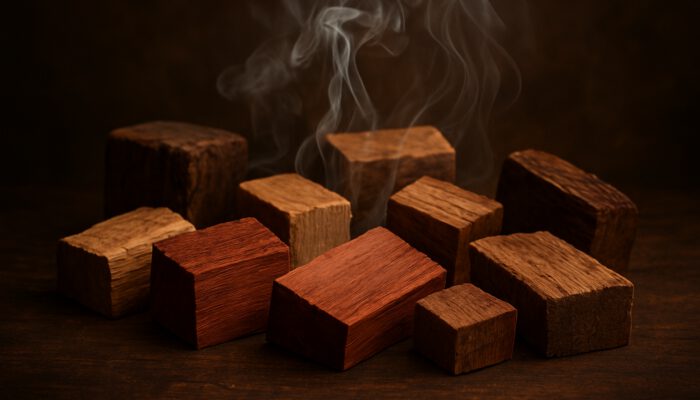
Choosing the right wood is essential for unlocking the fullest flavours in your cold-smoked creations. Hardwoods are typically preferred due to their slow-burning characteristics and ability to generate clean smoke, enhancing flavours without adding bitterness. Here are some of the top wood types to consider for your smoking ventures:
- Hickory
- Apple
- Cherry
- Maple
- Oak
- Pecan
Each type of wood contributes its distinct flavour profile, so feel free to experiment with various combinations to uncover exciting new flavours. For example, hickory provides a robust, smoky flavour, whereas fruitwoods like cherry and apple deliver a gentler, sweeter taste that complements a range of meats beautifully.
Where Can You Find Affordable Wood and Materials for Smoking?
Obtaining quality materials for your cold smoker can be budget-friendly. Start by checking out local suppliers such as timber yards or hardware stores, which often stock untreated hardwoods at competitive prices. online marketplaces and community groups can be excellent resources for second-hand materials.
Joining local woodworking clubs or online forums connects you with fellow enthusiasts who may have extra supplies available for sale or trade. This not only helps you save money but also builds community ties and encourages the exchange of knowledge among hobbyists.
What Key Preparations Are Necessary for Safe Wood Smoking?
Proper wood preparation is crucial for a safe and enjoyable smoking experience. Start by thoroughly drying the wood to lower its moisture content, as excess moisture can create unwanted steam and off-flavours in your smoked foods. Cut the wood into uniform pieces to ensure even burning and consistent smoke production.
Before using the wood, inspect it carefully for any signs of mould or decay, as these can introduce harmful substances into your food. By following these precautions, you can ensure a rewarding and safe smoking experience.
What Do You Need to Know About Fuel Efficiency and Burn Rates?
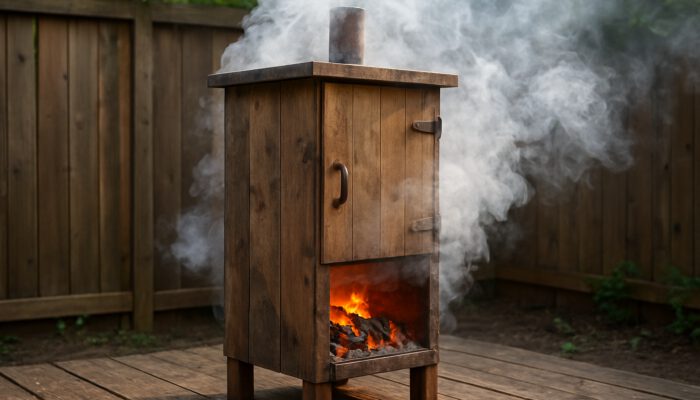
Understanding fuel efficiency and burn rates is vital when setting up a cold smoker for consistent smoke production. Different fuels burn at different rates, which can affect how long your smoking sessions last. Generally, hardwoods offer longer burn times compared to softer woods, making them more suitable for prolonged smoking activities.
Experimenting with various fuel types will help you determine which ones provide the best balance of smoke production and burn rate. This practice can optimise your smoking setup and ultimately enhance your culinary outcomes.
Why Should You Avoid Using Treated or Contaminated Woods?
It is essential to steer clear of treated or contaminated woods in your cold smoker. Treated woods may contain harmful chemicals that can release toxic fumes when burned, negatively impacting the flavour and safety of your smoked foods. Always opt for untreated, natural hardwoods to ensure a clean smoking environment.
Exercise caution when sourcing wood, especially from unfamiliar suppliers. If you’re uncertain about the treatment status of a particular wood type, it’s advisable to choose a more reliable alternative. Your health and the quality of your food depend on making informed choices.
How to Achieve Optimal Ventilation in Your Cold Smoker?
What Key Features Make an Effective Airflow System?
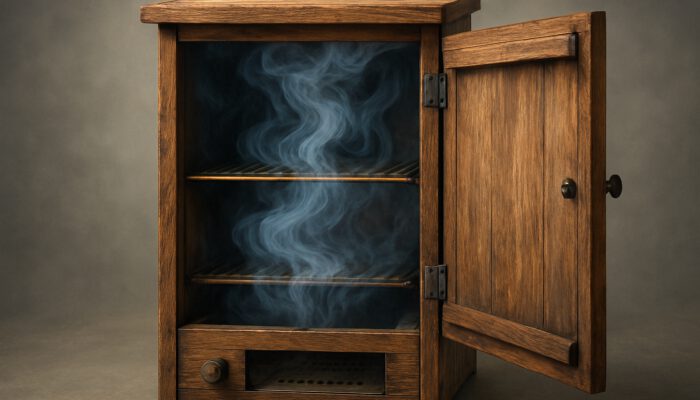
Effective ventilation is paramount for optimal smoking conditions in your cold smoker. A well-designed airflow system ensures that smoke circulates evenly throughout the chamber, preventing hot spots and guaranteeing consistent flavour. Consider incorporating adjustable vents to manage airflow, allowing for precise control during the smoking process.
Positioning the intake and exhaust vents strategically will facilitate a steady flow of fresh air, an essential element for combustion. By implementing an efficient airflow system, you can achieve outstanding results and elevate the quality of your smoked dishes.
How Can You Assess Vent Adjustments for Better Smoking Results?
Regularly testing your vent adjustments is crucial for achieving optimal smoking results. Pay attention to the behaviour of the smoke during your sessions to identify necessary tweaks for balancing oxygen levels. An imbalance can lead to bitter flavours, detracting from the taste of your smoked creations.
Keep a log of your adjustments and their impact on the smoking process. This practice will deepen your understanding of your smoker’s functionality, allowing you to refine your technique over time for consistently delightful outcomes.
What Common Ventilation Mistakes Should You Avoid?
Many novice smokers face common ventilation challenges that can disrupt smoke circulation. Before your first use, verify that all seals and pathways are functioning correctly. Look for any gaps or blockages that could impede airflow, leading to uneven cooking and undesirable flavours.
Avoid overloading the smoker with food, as this can restrict airflow and compromise smoke distribution. Taking the time to set up your ventilation properly can greatly enhance your smoking experience.
How Can You Effectively Balance Intake and Exhaust Flows?
Maintaining a balance between intake and exhaust flows in your cold smoker is vital for optimising combustion temperatures. This balance prevents excessive creosote buildup, which can negatively affect the flavour profile of your smoked foods. When configuring your smoker, ensure that the ratio of incoming fresh air to outgoing smoke is accurately calibrated.
Regularly observe the appearance of the smoke; it should be thin and blue rather than thick and white. Adjusting your vents as necessary will help maintain ideal conditions for successful cold smoking, resulting in delicious, flavour-rich foods.
Essential Considerations for Building a Cold Smoker at Home
Which Materials Guarantee Long-Lasting Performance?
Selecting durable materials is vital for the longevity and efficiency of your cold smoker. Opt for stainless steel or aluminium components, as these materials resist corrosion and ensure reliable performance over time. When choosing wood, select dense hardwoods that can endure heat and moisture without warping or deteriorating.
Pay close attention to the seals and gaskets used in your smoker. High-quality materials will prevent smoke leaks and maintain a consistent smoking environment. Investing in robust components will allow you to enjoy many successful smoking sessions without frequent repairs or replacements.
Why Is Evaluating Structural Integrity Important?
Before building your cold smoker, assessing the structural integrity of your design is crucial. A stable frame guarantees that the entire unit remains secure and functional during extended use. Use strong materials like treated timber or metal for the frame to provide the necessary stability and support.
Regularly check the structure for any signs of wear or damage, especially after heavy use. Addressing any issues promptly will help ensure the overall safety and effectiveness of your cold smoker, allowing it to serve you well for years to come.
How Can You Optimise Chamber Dimensions for Improved Efficiency?
The dimensions of your smoking chamber significantly affect smoke distribution and energy efficiency. Optimising these dimensions involves balancing space with functionality. A larger chamber can accommodate more food but may result in uneven smoke distribution if not designed properly.
Aim for a design that promotes even airflow and smoke circulation, allowing flavours to develop without wasting energy or space. Consider the size of the food you plan to smoke, as this will guide your chamber dimensions and help ensure optimal results.
How to Choose the Best Wood Chips for Smoking?
Selecting the right wood chips is essential for producing clean smoke at low temperatures. Choose chips made from hardwoods, as they burn more evenly and impart superior flavours. Popular options include apple, cherry, and oak, each offering distinct taste profiles suitable for a variety of foods.
Avoid using softwoods such as pine, as they can produce harsh smoke that negatively impacts the flavour of your smoked items. Experimenting with different wood chip combinations will help you uncover unique flavour profiles that enhance your culinary creations.
What Are the Essential Materials for Effective Insulation?
How to Evaluate Insulation Options for Your Smoker
Choosing the right insulation material is critical for maintaining temperature control in your cold smoker. Options include fibreglass, rock wool, and ceramic fibre, each offering varying levels of heat retention. Consider your climate and the scale of your build to determine the best insulation option for your requirements.
Evaluate the R-value of each insulation type, which measures its effectiveness in resisting heat flow. Higher R-values indicate superior insulation performance, essential for achieving consistent temperatures throughout the smoking process.
What Is the Proper Method for Applying Insulation?
Proper insulation installation is crucial to prevent gaps that could compromise temperature control within your smoker. Begin by measuring and cutting insulation materials to fit snugly around the smoker’s walls, ensuring no air leaks. Secure the insulation firmly using suitable adhesives or fasteners to keep it in place.
Regularly inspect your insulation for signs of wear or damage, as this can impact its effectiveness. Correctly installed insulation can lead to improved temperature regulation and enhance the overall efficiency of your cold smoker.
Why Is Insulation Crucial for Efficiency?
Insulation plays a significant role in the efficiency of your cold smoker. It helps sustain low temperatures steadily, allowing foods to gradually absorb flavours without drying out. Proper insulation reduces the energy needed to maintain consistent temperatures, making your smoking sessions more effective and enjoyable.
In colder climates, effective insulation becomes even more important, as it prevents heat loss and ensures your smoker operates at optimal levels. By prioritising insulation in your design, you enhance the quality of your smoked foods while reducing fuel costs.
How to Assess the Durability and Safety of Insulation Materials?
Selecting insulation that can withstand high temperatures without emitting harmful fumes is crucial for safety. Look for materials specifically engineered for high-heat applications, ensuring they meet safety standards for outdoor cooking environments. This consideration is particularly relevant in varying Australian climates, where temperatures can fluctuate significantly.
Regularly inspect your insulation for signs of degradation or damage. Addressing these issues promptly will help maintain the safety and longevity of your cold smoker, ensuring it remains a reliable tool for your culinary pursuits.
What Is the Best Method for Accurately Calculating Required Insulation Quantities?
Accurately calculating the insulation quantities needed is essential to avoid shortages or excess waste. Start by measuring the surface area of your smoker, accounting for overlaps and seams that may affect overall coverage. This thorough approach ensures you procure the right amount of material for your build.
Consider creating a detailed plan or diagram of your smoker design, indicating where insulation will be applied. Careful planning will streamline the installation process and ensure that your cold smoker operates efficiently from the beginning.
Effective Strategies for Building a Cold Smoker at Home
What Assembly Steps Should You Follow for Successful Construction?
When assembling your cold smoker, adhere to clear, actionable steps to ensure precise alignment of components. Start with a robust foundation, ensuring the base is level and stable. This foundation will provide the necessary support for the entire structure as you continue building.
Utilise clamps or temporary fasteners during assembly to hold pieces in place, allowing for adjustments before finalising connections. This method can help achieve professional-quality results, ensuring that your smoker functions efficiently and safely.
How Can You Thoroughly Verify the Quality of Seals?
Testing seal quality is essential for ensuring airtight conditions in your cold smoker. One effective method is the “smoke test,” where you introduce smoke into the chamber and observe for any leaks. If smoke escapes, it indicates the need for adjustments or repairs to maintain optimal smoke retention.
Regularly inspect gaskets and seals for wear or damage, replacing them as necessary to ensure peak performance. By thoroughly verifying seal quality, you can enhance the efficiency of your cold smoker and improve the flavour of your smoked foods.
How Can You Enhance Design for User Safety?
Incorporating safety features into your cold smoker design is crucial for minimising risks during loading and monitoring phases. Consider adding heat-resistant handles and protective shields to safeguard users from burns when accessing the smoking chamber.
Ensure that your smoker is stable and secure to prevent tipping or accidents during use. By prioritising user safety in your design, you create a more enjoyable smoking experience while minimising potential hazards.
How Do Temperature Controls Influence the Smoking Process?
Why Is It Essential to Install Reliable Thermometers?
Accurate thermometers are crucial for maintaining ideal smoking conditions. Installing dependable gauges allows you to closely monitor temperatures, ensuring they remain within the narrow range necessary for successful cold smoking. Digital thermometers often provide precise readings and can be easier to interpret compared to traditional dial models.
Consider using multiple thermometers at various locations within the smoker to gain a comprehensive understanding of temperature distribution. This approach will help you make necessary adjustments during the smoking process, preserving food quality and taste.
How Can You Maintain Consistent Low Heat?
Sustaining consistent low heat is vital for effective cold smoking. Regularly adjust your smoker’s settings to keep temperatures stable. Small tweaks to airflow or fuel can significantly affect overall heat, so stay vigilant throughout the smoking session.
If you notice temperature fluctuations, take immediate steps to identify and rectify the issue. Being proactive will help prevent spoilage and ensure that your smoked foods develop the desired flavours.
What Effective Strategies Can You Use to Troubleshoot Temperature Fluctuations?
Identifying the causes of temperature fluctuations is crucial for successful cold smoking. Common issues include blocked vents, insufficient fuel, or inadequate insulation. Regularly inspect your smoker for these potential problems and address them promptly to maintain optimal conditions.
If you experience persistent temperature issues, consider implementing a more robust monitoring system. This could involve additional thermometers or digital monitoring devices that alert you to temperature changes, enabling swift adjustments to prevent spoilage or uneven flavour development in your batches.
How to Ensure Your Cold Smoker Lasts for Years?
What Cleaning Routine Should You Implement After Each Use?
Regular cleaning is vital for maintaining your cold smoker’s performance. After each use, remove any residue or buildup from the smoking chamber, as this can impact future smoking sessions. Use a soft brush or cloth to clean the interior surfaces, ensuring no debris remains.
Pay particular attention to the vents and seals, as these areas can collect residue that obstructs airflow. By establishing a routine cleaning protocol, you can prolong the life of your smoker and ensure consistently excellent results in your culinary endeavours.
How Can You Inspect Components for Signs of Wear and Tear?
Regularly checking your cold smoker for wear and tear is crucial for extending its overall lifespan. Periodically examine seals, gaskets, and joints to catch issues early before they escalate into larger problems. Look for signs of corrosion or damage, especially in metal components, and replace parts as necessary.
By staying proactive with maintenance, you can ensure that your cold smoker remains safe and functional, allowing you to enjoy many successful smoking sessions for years to come.
What Are the Best Practices for Storing Your Cold Smoker?
Properly storing your cold smoker when not in use is essential for preserving its materials and ensuring readiness for your next project. Store the unit in a dry, sheltered location, away from direct sunlight and harsh weather conditions that could cause damage.
Consider using a protective cover to shield the smoker from dust and debris. By taking these precautions, you can maintain the quality of your smoker and ensure it remains a reliable tool for your outdoor cooking adventures.
Frequently Asked Questions
What Is Cold Smoking?
Cold smoking is a technique that involves exposing food to smoke at low temperatures, typically below 30°C. This method enhances flavour while preserving the food without cooking it.
Can You Cold Smoke in a Standard BBQ?
Yes, it is possible to cold smoke in a standard BBQ by modifying it with additional components like a smoke box or utilising a cold smoking attachment to effectively control temperatures.
How Long Does the Cold Smoking Process Take?
The duration of cold smoking varies based on the food being smoked, ranging from a few hours to several days. Fish may take 6-12 hours, while meats can require 24 hours or more.
What Foods Are Suitable for Cold Smoking?
Common foods ideal for cold smoking include salmon, cheese, bacon, and vegetables. These items benefit from flavour enhancement without cooking.
Is Cold Smoking a Safe Method?
Cold smoking is safe when performed correctly, using proper techniques and ensuring the food is adequately cured or brined beforehand to prevent bacterial growth.
Do You Need a Specific Type of Wood for Cold Smoking?
While a variety of wood types can be used, hardwoods like oak, hickory, and fruitwoods are preferred for cold smoking due to their clean-burning characteristics and flavour profiles.
Can You Use a Traditional Smoker for Cold Smoking?
Yes, many traditional smokers can be adapted for cold smoking. Look for models with adjustable vents and temperature controls to maintain low heat.
How Do You Know When Your Food Is Finished Cold Smoking?
Food is typically done cold smoking when it has absorbed the desired level of smoke flavour. This can be assessed by taste and appearance, with a consistent colour change indicating readiness.
What Is the Optimal Temperature for Cold Smoking?
The ideal temperature for cold smoking is generally below 30°C. This low temperature preserves the food while allowing it to absorb smoke flavour.
Is Cold Smoking Safe to Do Indoors?
Cold smoking is best conducted outdoors to avoid smoke accumulation indoors, which can be harmful. Ensure proper ventilation and consider using a dedicated cold smoker for safety.
Visit our Facebook profile for more!
The post Top Tips For Building A Cold Smoker At Home: DIY Guide appeared first on https://cookinggods.com
The Article Building a Cold Smoker at Home: Essential DIY Tips Was Found On https://limitsofstrategy.com
The Article Cold Smoker DIY Tips: Create Your Own at Home found first on https://electroquench.com