If you have encountered the frustration of having your drains cleared multiple times in the past six months—perhaps on three separate occasions—you are likely all too aware of the annoyance this situation brings. Each time, a qualified tradesman removes a dense mass of fine roots, restoring your drain's functionality for only a limited duration. Unfortunately, within weeks or months, the issue recurs, thrusting you back into the same predicament. Effectively managing tree roots in Wollongong drains necessitates a comprehensive and proactive strategy. This article will explore the reasons these roots persistently return and provide you with effective methods to break this exhausting cycle.
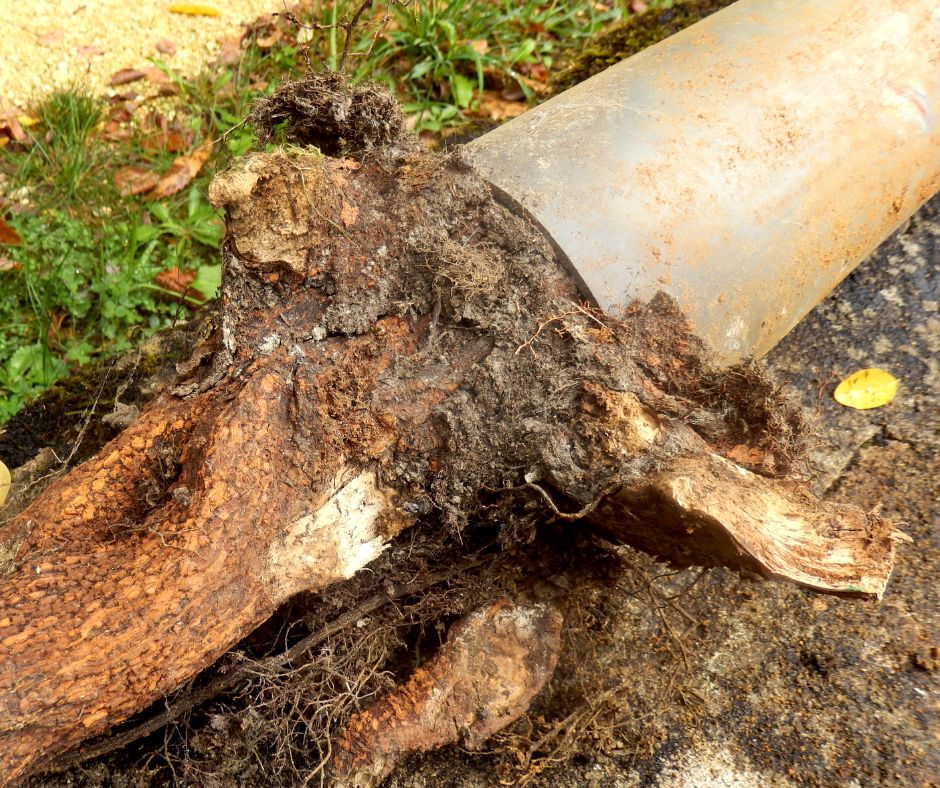
Understand Why Tree Roots Penetrate Wollongong Drains
The older suburbs of Wollongong, including Coniston, Mount Keira, Mangerton, and parts of Figtree, create prime conditions for root infiltration into drainage systems. Many homes in these areas still utilise outdated sewer technology, relying on materials like vitrified clay or earthenware pipes that are commonly joined with mortar. These joints often represent weak points. Over time, the mortar degrades, leading to hairline fractures that roots can exploit, resulting in repeated blockages.
Interestingly, roots are not specifically drawn to sewage; rather, they are primarily in search of moisture. Even the tiniest micro-crack or a loose joint can release water vapour, particularly during dry spells. Once roots infiltrate the pipe, they discover a constant supply of water, nutrients, and warmth, fostering rapid growth and exacerbating the issue.
Common tree species in Wollongong that frequently cause drainage complications include:
- Camphor laurel: This tree is well-known for its extensive root system and is a significant water seeker, making it a leading offender in many older gardens throughout Illawarra.
- Jacaranda: While aesthetically pleasing, these trees possess shallow root systems that spread widely, leading to significant drainage challenges.
- Liquidambar: Commonly found lining the streets of Wollongong, these trees have surface-rooted systems that can easily invade drainage pipes.
- Willows (near water): Recognised for their invasive root structures, particularly prevalent around Lake Illawarra.
- Figs: Strangler figs can inflict severe damage on any pipes they encounter.
- Gum trees: Various eucalyptus species located across the escarpment suburbs contribute to ongoing root-related issues.
Identify the Underlying Causes of Your Drain's Recurring Blockages
- The blockage was cleared, but the root cause remains: A drain-clearing machine may successfully remove roots that are flush with the pipe wall, but new roots can quickly regrow through the same cracks within a matter of weeks.
- The pipe is structurally compromised: If there is a significant break in the pipe, merely cutting the roots will not offer a lasting solution; proper repairs are essential.
- Multiple entry points: After experiencing several blockages, roots may infiltrate through two or three different locations, rather than just one.
- Shifting soil around the pipe: Pipe joints that were once tightly sealed can loosen due to soil settlement, especially in the sandy or reactive clay soils common in the Illawarra region.
Why Is a CCTV Drain Inspection Crucial for Accurate Diagnosis?
Before investing further in emergency drain clearing services, consider the benefits of a CCTV camera inspection. This advanced technique accurately identifies where the roots are entering, assesses the overall condition of the pipe along its length, and determines whether the issue originates from a single faulty section or indicates a more extensive problem with a pipe nearing the end of its service life. For approximately $350, a standard residential drain inspection in Wollongong provides invaluable insights, enabling you to develop a strategic plan rather than relying on yet another temporary fix.
Explore Effective Solutions to Prevent Recurring Drain Blockages
Utilising Hydro-Jetting and Root Inhibitor Treatments
For pipes that are structurally sound but experiencing minor root intrusion, high-pressure hydro-jetting, starting at $450, followed by a root inhibitor treatment, can effectively clear the line and prevent regrowth. This method serves as a maintenance strategy, typically offering relief for 12 to 24 months before another treatment is required. It acts as a practical interim solution while you save for a more permanent fix.
Advanced Trenchless Pipe Relining Solutions
Pipe relining presents a modern solution for compromised drains. This innovative approach involves inserting a resin-impregnated liner into the existing pipe, which is then cured in place, effectively creating a new pipe within the old one. This method requires no excavation, preserving your garden and landscape. Prices for a short residential run in Wollongong begin at $2,500, with costs increasing based on the length of the run and accessibility. The seamless relined pipe has no joints, making it highly resistant to root intrusion, and comes with an impressive 50-year manufacturer warranty.
Complete Pipe Replacement Through Excavation: When Is It Necessary?
In situations where the pipe has collapsed, the length is too extensive for a single liner, or alignment issues are present, full replacement becomes necessary. Starting from $4,500 for a straightforward section, costs can increase significantly if the run is deep, located beneath concrete, or requires access in confined spaces. Although excavation is an invasive and time-consuming process, it may be the only viable option for severely damaged pipes.
Tree Removal: When Is It Essential?
In some cases, the tree causing the issues is the root of the problem, and no amount of pipe work can remedy the situation. For instance, a 30-year-old camphor laurel located merely two metres from your sewer line will relentlessly exploit any cracks it detects. Tree removal requires the expertise of a qualified arborist and may necessitate approval from Wollongong City Council if the tree is on a protected species list. A combined strategy—relining the pipe while also removing the troublesome tree—often yields the most effective long-term solution.
CS Plumbing’s Expert Recommendations for Your Drain Condition
- First blockage: Clear the drain, conduct a CCTV inspection, and assess the situation before committing to major repairs.
- Two or three blockages in a year: Stop merely clearing and start addressing the core issue. Regular use of a drain machine only postpones the inevitable costs.
- Pipes older than 40 years: Relining is likely the most effective option, as original earthenware pipes will continue to deteriorate.
- If you identify the problematic tree: Consult with an arborist for their insights along with plumbing advice. Often, removing a single tree can be the most cost-effective long-term solution.
Address Frequently Asked Questions About Tree Roots and Drain Issues
How Can I Tell If My Drain Blockage Is Caused by Tree Roots?
Look for signs such as slow drainage across multiple fixtures over time instead of immediate blockages, gurgling noises, and unpleasant sewer odours in your yard after rainfall. Repeated blockages occurring in the same area and unusually lush green patches in your lawn above the drain line can indicate root intrusion. The most reliable way to confirm root penetration is through a CCTV inspection.
What Are the Costs Involved in Clearing Tree Roots From a Drain in Wollongong?
Standard root clearing services in Wollongong start at around $450 for residential access. A CCTV inspection typically costs about $350, while hydro-jetting combined with a root inhibitor treatment ranges from $600 to $900. These figures reflect clearing costs and do not include repair expenses; if the pipe sustains damage, you may face temporary solutions that will require further attention later.
Does Copper Sulphate Permanently Eliminate Tree Roots?
No, while copper sulphate can effectively kill the roots inside the pipe at the time of application, new roots will inevitably regrow through the same cracks. This method serves as a maintenance solution rather than a permanent fix. Both Sydney Water and most NSW councils now restrict the frequent use of copper sulphate due to its potential harmful effects on waterways. For more sustainable results, commercial root inhibitors containing dichlobenil are available, although these also necessitate periodic maintenance.
Is Pipe Relining a More Effective Solution Than Replacement?
In most circumstances, yes. Pipe relining typically costs about half as much as full excavation and replacement, can be completed in just one day instead of three to five, and does not disrupt your garden, driveway, or paving. A relined pipe is backed by a 50-year warranty and lacks joints, thereby preventing new root intrusion. Replacement should only be contemplated if the pipe has collapsed or if alignment issues cannot be rectified through relining.
Am I Responsible If My Tree Damages a Neighbour’s Drain?
Potentially. Under common law in NSW, if a tree on your property damages a neighbour’s drain, you may be held accountable. Rulings from Sydney Water and the NSW Land and Environment Court have varied based on whether the tree was considered a known risk and the condition of the affected pipes. It is wise to manage trees near boundary sewer lines to prevent issues from escalating.
Do I Need Council Approval to Remove a Tree?
Yes, in Wollongong, you must obtain approval if the tree is on the Wollongong City Council protected species list or exceeds the size threshold (typically 3 metres tall or 5 metres in canopy spread). The council has a Tree Management Permit process. Certain trees can be removed without a permit if they are dead, dangerous, or fall under non-protected species criteria. Always check with Wollongong City Council’s tree management page beforehand.
How Quickly Can CS Plumbing Respond to a Blocked Drain Emergency?
CS Plumbing provides services across Wollongong and the Illawarra, including Shellharbour, Albion Park, Dapto, Figtree, Mount Keira, and Bulli. We offer same-day emergency response throughout the region during business hours. If your blockage is causing overflow or backing up into your home, do not hesitate to contact us immediately.
Break Free from the Cycle of Drain Blockages — Schedule Your Accurate Diagnosis Today
If you are exasperated by the need to repeatedly clear the same drain every six months, it’s time to arrange a CCTV inspection with CS Plumbing. We will provide a comprehensive understanding of what’s happening beneath the surface, identify the root causes, and outline your genuine options. Experience hassle-free service without high-pressure sales tactics or hidden costs. Request a quote or connect with our dedicated team directly.
Original Article First Published At: Tree Roots In Your Wollongong Drains — Why It Keeps Coming Back
The Article: Tree Roots in Wollongong Drains: The Persistent Problem first appeared on https://writebuff.com
The Article Tree Roots in Drains: A Persistent Wollongong Challenge Was Found On https://limitsofstrategy.com
The Article Tree Roots in Drains: Tackling Wollongong’s Ongoing Issue found first on https://electroquench.com