Maximise Your Recycling Impact: An In-Depth Guide to Paper Recycling During House Clearances
What Paper Products Can You Recycle in UK Households?
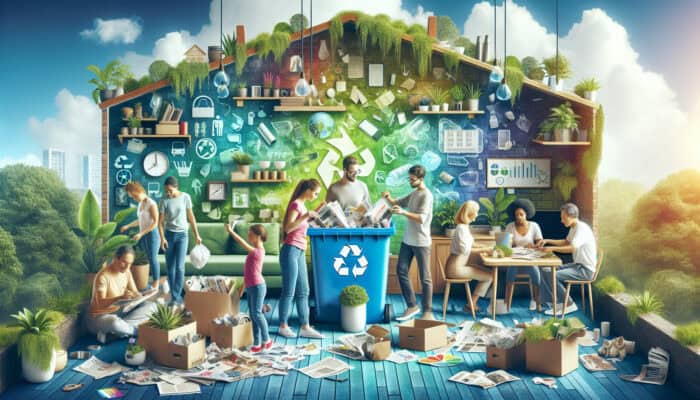
Participating in paper recycling during house clearances in the UK is essential for reducing waste and fostering sustainable practices within communities. The materials typically accepted for recycling include newspapers, magazines, cardboard packaging, and office paper. It is crucial to become familiar with the specific recycling guidelines in your local area, as this knowledge ensures that these materials are processed correctly and responsibly, ultimately benefiting our environment and alleviating the burden on landfill sites. By understanding what can be recycled, individuals can make informed decisions that promote local initiatives and encourage eco-friendly behaviours in their communities.
How to Effectively Sort Paper for Recycling During Clearances?
To properly prepare paper for recycling during house clearances, it is vital to follow a series of key steps. Begin by confirming whether the paper products meet local recycling criteria to ensure they can be processed optimally. Remove any contaminants such as plastic, food residues, and staples, as these can compromise the entire batch and impede recycling efforts. It is also helpful to group similar types of paper together to facilitate easier processing and to flatten cardboard boxes to conserve storage space. Additionally, consider shredding sensitive documents to safeguard personal information. Mastering these techniques not only enhances recycling efficiency but also significantly diminishes the environmental impact associated with waste disposal.
Why Are Local Councils Vital for Enhancing Recycling Efforts?
Local councils across the UK play a crucial role in advancing paper recycling initiatives during house clearances. They provide invaluable resources, such as recycling bins and consistent collection services, which make recycling more accessible and straightforward for residents. By actively participating in these programmes, councils promote community engagement and encourage environmentally responsible behaviours among households. This collaborative effort not only boosts recycling rates but also cultivates a culture of sustainability, empowering communities to unite in their commitment to a greener and healthier future.
Understanding the Detailed Process of House Clearances in the UK
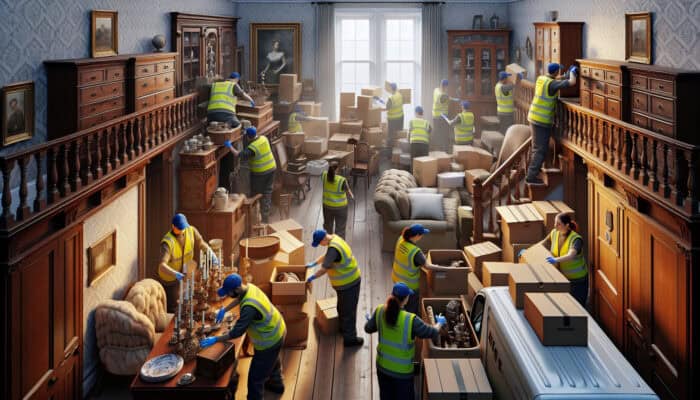
How to Effectively Prepare for a House Clearance Involving Paper Waste?
Preparing for a house clearance that includes paper waste requires thorough initial assessments to ensure a seamless and efficient process. Start by cataloguing all the paper items that need to be removed, employing decluttering techniques that align with national recycling standards. This proactive strategy minimises contributions to landfills and promotes the reuse of materials, resulting in a more environmentally conscious clearance process. Furthermore, organising paper items by category enhances sorting efficiency and ensures that recyclables are disposed of correctly, thereby managing waste effectively.
What Tools and Resources Can Improve Your Recycling Efficiency?
Utilising a variety of tools and resources can greatly enhance the efficiency of recycling during house clearances in the UK. Investing in shredders for confidential documents ensures both privacy and security, while using recycling bags specifically designed for paper simplifies the collection process. storage boxes can also assist in organising materials, facilitating streamlined sorting and retrieval. These practical, cost-effective solutions not only encourage sustainable practices but also simplify the recycling process during clearances, enabling residents to engage in responsible waste management effortlessly.
Integrating Recycling into Your House Clearance Planning Process
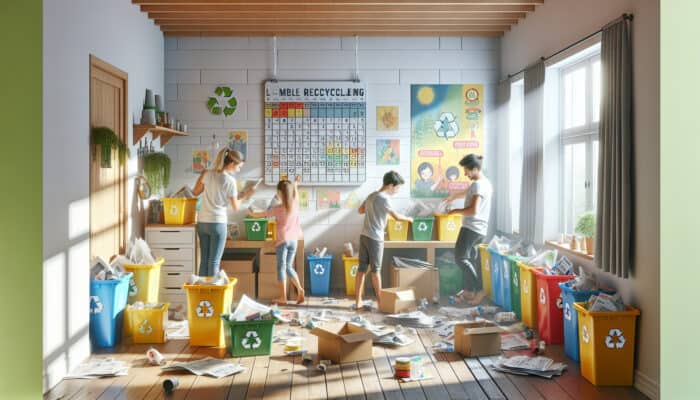
Strategic scheduling is critical for maximising paper recycling during house clearances. By aligning clearances with local collection days, households can significantly improve the recovery of recyclable materials while minimising their environmental impact. This well-timed approach ensures that paper items reach recycling facilities promptly, enabling more effective processing and resource recovery. Additionally, planning ahead allows residents to maintain organisation, reducing the chaos often associated with clearances and ensuring that recycling efforts are both efficient and beneficial for the environment.
How Does the Paper Recycling Process Function During House Clearances?
Identifying Recyclable Paper During UK House Clearances
Identifying recyclable paper amidst house clearances requires a comprehensive understanding of the criteria for acceptable materials. Focus on clean paper products that are free from contaminants, as impurities can spoil entire batches and severely obstruct the recycling process. Familiarising yourself with UK-specific recycling protocols is essential for achieving a more efficient and successful recycling outcome, ultimately benefiting local environments. By diligently identifying recyclable materials, individuals contribute to a cleaner and more sustainable community, ensuring that valuable resources are not wasted.
What Are the Environmental Impacts of Proper Paper Handling?
Properly managing paper during clearances has significant environmental consequences. Residents should actively sort and recycle paper to mitigate pollution associated with improper waste disposal. Additionally, consider composting organic paper products to further promote sustainability and reduce waste generated during clearances. By understanding the environmental repercussions of their recycling behaviours, individuals can make meaningful contributions to their communities and support the preservation of a healthier planet.
How to Measure the Success of Your Recycling Initiatives?
To assess the effectiveness of paper recycling during house clearances, homeowners can monitor metrics such as the volume of materials diverted from landfills. Tracking the quantity of paper recycled in comparison to that disposed of provides valuable insights into recycling practices and highlights areas requiring improvement. This information not only showcases progress but also inspires individuals to adopt better recycling habits, fostering a culture of sustainability that yields long-term environmental benefits within households and communities.
Expert Insights on Efficient Paper Recycling During UK House Clearances
Best Practices Endorsed by Recycling Experts in the UK
Recycling specialists in the UK advocate for best practices to improve paper recycling during house clearances. One effective strategy involves collaborating with local charities that accept paper products for reuse or recycling, thus extending their lifecycle. Real-world examples illustrate that such partnerships lead to successful recycling outcomes, benefitting both the community and the environment. By embracing these best practices, households can contribute to a circular economy, where materials are reused, recycled, and repurposed for future generations.
Advanced Techniques for Complex Recycling Scenarios
Tackling mixed paper waste during clearances can present considerable challenges. Experts recommend employing specialised sorting methods to optimise recycling rates and ensure that recyclable materials are effectively separated. Techniques such as manual sorting or technology-based screening can assist in distinguishing recyclable materials from contaminants, thereby enhancing the quality of recyclables. By adopting these advanced techniques, households can avoid common pitfalls that hinder recycling efforts and improve overall efficiency, leading to a more sustainable approach.
Long-Term Strategies Evaluated by Industry Experts
For professionals in the recycling sector, enhancing paper recycling during house clearances necessitates the integration of sustainable practices into everyday routines. Effective strategies include educating clients about the importance of recycling, providing resources to improve sorting capabilities, and leveraging technology to enhance efficiency. These methods contribute to sustained environmental benefits and foster a culture of recycling within communities, encouraging individuals to take proactive measures towards a more sustainable future.
What Are the Key Advantages of Recycling Paper During House Clearances?
Health and Safety Benefits within the UK Context
Recycling paper plays a crucial role in reducing potential hazards during house clearances, thereby creating healthier living environments. Dust and allergens associated with discarded paper can exacerbate respiratory conditions, making effective recycling essential. By fostering a cleaner environment through proper paper management, residents can enhance their overall health and safety within UK homes. Prioritising recycling not only leads to a healthier living space but also actively contributes to community well-being, ensuring that everyone benefits from cleaner surroundings.
Economic Advantages of Engaging in Recycling Initiatives
Participating in paper recycling offers significant economic benefits for residents in the UK. By decreasing disposal fees and generating potential revenue from recycled materials, households can achieve considerable financial savings. Engaging in recycling initiatives promotes a cost-effective approach to waste management during clearances, allowing residents to allocate resources more efficiently while supporting sustainability efforts within their communities.
The Social Impact of Community Recycling Initiatives
Community involvement is critical to the success of paper recycling during house clearances. By cultivating a sense of shared responsibility among residents, local recycling initiatives enhance environmental awareness and encourage collective action. These efforts strengthen community connections, promote participation in sustainable practices, and foster a culture of recycling that benefits everyone involved, contributing to a more cohesive and environmentally responsible society.
Environmental Benefits of Paper Recycling
Recycling paper in the UK yields substantial environmental advantages, such as reducing deforestation, conserving natural resources, and lowering carbon emissions. This practice aids in cultivating a healthier ecosystem and contributes to the global fight against climate change. By actively engaging in paper recycling, households play an essential role in promoting sustainable development for future generations, ensuring the preservation of valuable natural resources for years to come.
Energy Conservation Achieved Through Paper Recycling
Recycling paper within UK households leads to significant energy savings compared to the production of new paper products. This process reduces reliance on fossil fuels and lowers utility costs, promoting greener manufacturing practices and overall sustainability. By adopting recycling habits, residents can make a substantial contribution to long-term environmental benefits and energy conservation, showcasing their commitment to a more sustainable future through practical actions.
Research-Backed Benefits of Recycling Paper During UK House Clearances
Evidence-Based Environmental Benefits of Recycling
Research indicates that paper recycling during UK clearances effectively reduces carbon emissions. Numerous studies demonstrate successful implementations of recycling programmes across local councils, showcasing how effective waste management practices can yield significant environmental benefits for communities. This evidence highlights the importance of recycling initiatives and their positive impact on local ecosystems, reinforcing the need for collective efforts to combat climate change.
Health-Related Research Findings in the UK
Recent studies in the UK reveal that effective paper recycling during house clearances can greatly improve indoor air quality. By reducing dust and allergens associated with waste, households can create healthier living environments. This underscores the necessity of efficient recycling practices for maintaining overall well-being and highlights the ongoing need for educational initiatives focused on the benefits of recycling.
Long-Term Sustainability Insights from Industry Experts
Insights from experts regarding evolving recycling trends in the UK suggest that data-driven approaches can inform future practices. Emphasising sustainability, these findings advocate for continuous improvements in house clearance practices, ensuring that recycling remains an integral component of waste management in the UK. By staying informed about best practices and trends, residents can adjust their recycling habits to support a more sustainable future, benefiting the environment and their communities.
Why Is It Crucial to Choose Sustainable Options in UK House Clearances?
The Importance of Eco-Friendly Paper Choices in Households
Opting for recyclable paper products within UK homes is pivotal for minimising resource depletion during house clearances. By supporting national green policies, residents contribute to a more sustainable future and inspire broader adoption of eco-friendly practices within their communities. Making intentional choices regarding paper products fosters a culture of sustainability, motivating others to prioritise environmental responsibility and engage in similar behaviours.
What Influences Public Adoption of Recycling Practices?
Awareness campaigns and educational initiatives significantly impact public acceptance of recycling efforts during UK house clearances. These initiatives facilitate behavioural changes, encouraging increased participation in recycling programmes and nurturing a culture of environmental accountability among residents. By raising awareness and providing accessible information, communities can overcome barriers to recycling and forge a more sustainable future that benefits everyone.
How to Overcome Barriers to Sustainable Recycling Practices?
Common challenges to sustainable paper recycling in the UK include space constraints and a lack of knowledge about proper recycling methods. To enhance recycling during clearances, households can utilise compact storage solutions and designate specific recycling areas within their homes. Furthermore, educational initiatives that highlight the advantages of paper recycling can help overcome these barriers, motivating more residents to embrace sustainable practices and contribute to a greener environment.
What Environmental Impact Do Sustainable House Clearances Have?
Choosing eco-friendly practices during UK house clearances can significantly reduce carbon footprints and overall waste generation. By following UK environmental regulations, these sustainable methods support biodiversity and encourage community engagement. This collective effort instils a shared commitment to sustainable living, ensuring that future generations inherit a cleaner and healthier planet, thereby enhancing the quality of life for all.
What Government Incentives Are Available to Support Green House Clearances?
The UK government provides various programmes, grants, and policies aimed at promoting sustainable practices in house clearances. Tax incentives for recycling initiatives and funding for community projects encourage households to adopt greener habits, ultimately contributing to national waste-reduction goals and long-term environmental sustainability. By leveraging these incentives, residents can enhance their recycling efforts and support broader community objectives, creating a more sustainable future.
What Challenges and Solutions Exist in Paper Recycling?
What Common Obstacles Do Residents Encounter in UK Recycling?
In the UK, residents frequently face challenges such as contamination and mixed materials during house clearances, complicating the recycling process. Addressing these issues requires the implementation of effective sorting techniques and educating household members about the importance of clean recycling practices. By enhancing understanding of recycling methodologies, communities can boost participation rates and improve overall recycling success, leading to a cleaner environment for everyone.
What Innovative Solutions Can Help Overcome Recycling Challenges?
Creative strategies to address paper waste challenges in UK households include implementing technology-enabled sorting systems during clearances. These innovations streamline the recycling process, enhancing efficiency and outcomes while ensuring proper separation of recyclable materials from contaminants. By embracing these advancements, households can strengthen their recycling efforts and contribute to a more sustainable community, ensuring that valuable resources are not wasted.
How to Build Resilience in Recycling Systems for the Future?
Fortifying the UK’s paper recycling infrastructure is essential for effectively addressing challenges during house clearances. Community-driven strategies, such as local workshops and training sessions, can elevate awareness and bolster resilience within recycling systems. By promoting collaboration and sharing knowledge, residents can enhance the effectiveness of recycling initiatives and contribute to a more sustainable future for their communities, fostering a sense of collective responsibility.
What Future Trends in UK House Clearances and Recycling Practices Might We Anticipate?
How Will Emerging Technologies Transform Paper Processing?
Upcoming innovations, including automated sorting systems, hold the potential to revolutionise paper recycling during house clearances in the UK. These advancements aim to enhance the accuracy and efficiency of recycling processes, leading to improved outcomes for both the environment and local communities. By integrating such technologies, residents can streamline their recycling efforts and maximise the benefits of responsible waste management, ultimately contributing to a greener future.
What Impact Will Evolving Regulations Have on Recycling Practices?
Potential new policies concerning paper waste in the UK could significantly influence household recycling practices. As regulations evolve, they may introduce stricter recycling requirements, motivating residents to adopt more sustainable behaviours and refine overall waste management strategies during clearances. Staying informed about these developments will be essential for residents looking to comply with new regulations and positively impact their communities, ensuring that they remain at the forefront of sustainability efforts.
What Community-Driven Advancements Are on the Horizon?
Grassroots movements in the UK advocating for paper recycling are gaining momentum and are poised to have a substantial influence on sustainable house clearances. These local initiatives encourage collaboration and motivate residents to embrace environmentally friendly practices that benefit both their communities and the planet. By participating in these movements, individuals can actively contribute to a culture of sustainability and drive positive change in their neighbourhoods, fostering a sense of community and shared responsibility.
What Is the Rise of Green Certifications in the UK Housing Sector?
Emerging green certifications within the UK housing sector may soon necessitate enhanced recycling processes during house clearances. Such certifications could elevate property values by promoting sustainable practices, fostering greater environmental awareness, and encouraging a shift towards greener living. As these standards become more prevalent, residents will need to adapt to meet the expectations of buyers and communities alike, ensuring that they remain competitive and responsible in their practices.
Frequently Asked Questions about Paper Recycling
What types of paper can be recycled during house clearances?
Common recyclable paper items include newspapers, magazines, and cardboard packaging. Ensuring these materials are clean and free from contaminants maximises recycling efficiency and promotes sustainable practices, benefiting the environment.
How can I prepare for a house clearance involving paperwork?
Begin by evaluating all paper waste and implementing decluttering strategies that comply with recycling standards to minimise landfill waste and encourage the reuse of materials, thereby supporting sustainability.
What tools can help ensure efficient paper recycling?
Useful tools include shredders for confidential documents, recycling bags for easy collection, and storage boxes for organising and sorting paper materials effectively during clearances, enhancing overall efficiency.
How can recycling be effectively integrated into the clearance timeline?
Coordinate house clearances with local collection days to maximise recovery of recyclable materials, thereby reducing environmental impact through timely actions that align with community efforts.
What are the benefits of recycling paper during house clearances?
Recycling paper reduces waste, conserves valuable resources, saves energy, promotes healthier living spaces, and offers economic advantages to households, making it a key component of responsible waste management.
How can community efforts bolster paper recycling initiatives?
Community engagement fosters shared responsibility and environmental awareness, encouraging participation in local recycling initiatives to enhance overall sustainability and improve recycling rates, benefiting the entire community.
What challenges do residents commonly face when recycling paper?
Common challenges include contamination from mixed materials and a lack of awareness about proper sorting practices, which can significantly hinder effective recycling efforts and reduce success rates.
What innovative solutions exist to overcome recycling hurdles?
Implementing technology-enabled sorting systems during clearances can streamline recycling processes, improving efficiency and ensuring proper separation of recyclable materials from contaminants, thus enhancing overall effectiveness.
What future trends can we anticipate in paper recycling practices?
Emerging technologies, evolving regulations, and community-driven movements are set to shape the future of paper recycling in the UK, enhancing sustainability efforts and community engagement through innovative practices.
How do government incentives support green house clearance initiatives?
UK government schemes, grants, and tax breaks for recycling initiatives encourage households to adopt sustainable practices, contributing to broader waste reduction goals and promoting long-term environmental sustainability.
Join our community on Facebook!
The Article: Recycling Paper During UK House Clearances: Essential Tips Was First Found At https://birminghamhouseclearance.com
The Article Recycling Paper: Essential Tips for UK House Clearances Was Found On https://limitsofstrategy.com
The Article Recycling Paper Tips for UK House Clearances found first on https://electroquench.com