Discover Proven Strategies for Safeguarding Your Dog’s Paws Against Snow and Ice
What Are the Key Factors Leading to Paw Damage in Snowy Conditions?

Snowy environments can jeopardise your dog's paw health due to several environmental stressors, including extreme cold, moisture accumulation, and ice formation. The frigid temperatures characteristic of winter can result in severe frostbite, particularly in breeds with sensitive or thin skin. Furthermore, snow and ice can become lodged between the paw pads, causing significant discomfort, soreness, and potential injuries. The moisture from melting snow can also lead to drying out of the paw pads, resulting in painful cracks and irritation. To protect your dog's paws throughout the winter season, it is imperative to adopt preventive measures. This may involve limiting your dog's exposure to harsh winter conditions and selecting protective gear specifically crafted for their comfort and safety. By taking these straightforward yet effective actions, you can markedly diminish the risk of paw damage, ensuring that your beloved pet remains comfortable and healthy during the colder months.
How to Select the Best Paw Protection Gear for Your Dog?
Choosing the right paw protection gear is crucial for ensuring your dog's safety when navigating snowy conditions. With a plethora of options available, the best choice will depend on various factors including your dog's breed, size, and the severity of the winter climate. Here are some essential types of protective gear to consider when safeguarding your dog’s paws from snow and ice:
- Paw Boots: These specially designed boots offer insulation and traction, allowing your dog to traverse slippery surfaces securely and comfortably.
- Paw Wax: This protective balm creates a barrier against cold temperatures and moisture, ensuring your dog’s paws are shielded from potential harm.
- Paw Balm: A soothing ointment that effectively hydrates cracked pads, promoting comfort and overall paw health.
- Coat and Booties Combo: This combination ensures that your dog’s entire body stays warm while effectively protecting their feet from harsh winter elements.
- Non-slip Socks: Particularly beneficial for older dogs, these socks provide extra grip to prevent slipping on icy surfaces.
- Protective Gel: A topical solution that prevents ice and snow from adhering to the paw pads, enhancing comfort and safety during winter outings.
Ensuring that the protective gear fits snugly yet comfortably is paramount, as any irritation can lead to discomfort during walks. Opt for products that are convenient to put on and remove, making them suitable for daily use while allowing your dog to relish their outdoor escapades without fuss or discomfort.
What Methods Are Most Effective for Daily Paw Inspections?
Conducting consistent inspections of your dog’s paws is vital, particularly after they have been exposed to snow or ice. Employing both visual and tactile techniques enables you to identify early signs of damage, facilitating timely intervention. Begin by visually checking the paw pads for any signs of redness, cracks, or frostbite. It is equally critical to examine the spaces between the toes, as snow can accumulate there, leading to irritation and discomfort. Gently squeezing the pads can help identify any tenderness or sensitivity, which may indicate underlying issues that require attention.
Incorporating these inspection routines into your daily schedule will assist you in detecting any problems early, preventing them from progressing into more severe issues. By routinely monitoring your dog’s paws following walks, you can maintain their paw integrity and overall health, allowing your furry companion to revel in winter activities while significantly reducing the risk of injury or discomfort.
How to Properly Clean and Dry Your Dog’s Paws After Exposure to Snow?
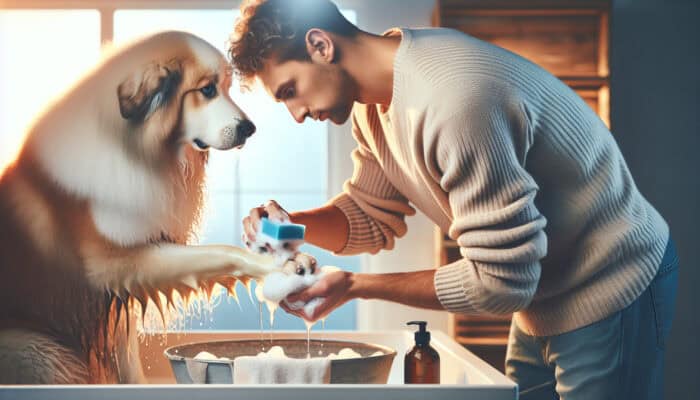
Cleaning and thoroughly drying your dog’s paws after exposure to snow is essential for preventing infections and maintaining overall paw health. Begin by rinsing off any snow and harmful chemicals, such as salt, that may have accumulated on the paws using lukewarm water. A soft cloth or sponge can be used to gently cleanse the pads, ensuring that no harmful debris remains trapped.
Once you have meticulously cleaned the paws, dry them using a towel, paying particular attention to the areas between the toes, where moisture can linger and potentially lead to irritation. To provide additional protection, consider applying a suitable paw balm that hydrates the pads and seals any tiny cracks, ensuring they remain healthy and resilient against the biting cold. By establishing this cleaning routine, you will contribute to safeguarding your dog’s paws from long-term damage and discomfort, promoting their overall well-being during the winter months.
How Does Snow Affect the Health of Your Dog's Paws?
What Are the Primary Risks Associated with Snow for Dogs?
Snow introduces numerous threats to dog paws, primarily due to freezing temperatures and rough surfaces. The cold can lead to frostbite, particularly in smaller breeds or those with thinner coats. Additionally, the formation of ice and snow can create sharp edges that may inflict cuts or abrasions on delicate paw pads, resulting in pain and the potential for infection.
To minimise exposure to these risks, limit outdoor activities during extreme weather conditions and ensure that walks are of manageable duration. Utilising protective gear, such as boots, can effectively shield against rough surfaces and freezing temperatures. Furthermore, be cautious of areas treated with de-icing agents, as these chemicals can be irritating or toxic to dogs. By recognising and understanding these hazards, you can take proactive measures to safeguard your furry companion's paws throughout the winter months.
What Indicators Suggest Your Dog May Be Suffering from Paw Discomfort?
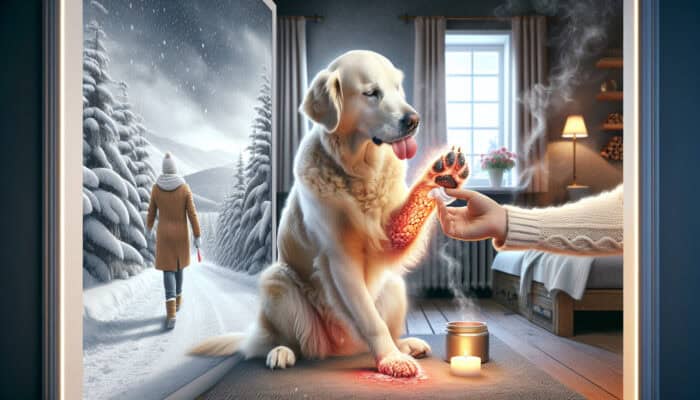
Monitoring your dog for signs of paw discomfort is crucial during snowy conditions. Indicators such as limping, excessive licking of the paws, or visible redness can signal potential issues. If you notice your dog holding one paw off the ground or appearing reluctant to walk, these are strong indications that something may be wrong with their paws and requires immediate attention.
To provide immediate relief, bring your dog inside to closely inspect their paws, applying a warm compress to soothe any irritation and checking for ice balls or debris lodged between the pads. Providing a warm and cosy resting place can also help alleviate discomfort. By consistently observing these signs, you will promote overall paw wellness and ensure your dog remains happy and active, even in the harshest winter conditions.
What Are the Long-Term Consequences of Snow Exposure on Paw Health?
Repeated exposure to snow can weaken a dog's paw pads over time. The ongoing stress from cold temperatures and rough surfaces can lead to chronic issues, such as cracks or infections. Furthermore, the moisture from snow can dry out the pads, making them increasingly vulnerable to injury and discomfort, which can adversely affect your dog's quality of life.
To prevent these long-term effects, it is essential to implement continuous protective strategies. Regular cleaning, moisturising, and using appropriate gear during winter walks can significantly enhance the durability of your dog’s paws. By remaining vigilant and proactive, you can ensure your dog's paw health remains intact throughout the challenging winter season, enabling them to enjoy their outdoor activities without hindrance.
Expert Recommendations for Optimal Dog Paw Protection in Snowy Conditions
What Are the Best Practices for Sustaining a Paw Care Routine?
Establishing a consistent routine for paw care during snowy conditions is vital for maintaining your dog's paw health. Begin with daily inspections, as previously mentioned, to catch any issues early on. After each outdoor excursion, ensure you clean your dog's paws thoroughly to eliminate any snow, ice, and harmful chemicals that can lead to irritation or injury.
In addition to cleaning, moisturising the paw pads is crucial. Use a high-quality paw balm or wax formulated to guard against cold weather and promote healing of any minor abrasions. This routine should also include regularly trimming the fur around the paws, as long hair can trap snow and ice, increasing the risk of discomfort. By establishing a comprehensive paw care routine, you will enhance the durability of your dog’s paws and ensure they remain healthy and comfortable throughout the winter months.
What Advanced Strategies Can Enhance Protection for Dogs in Severe Conditions?
For dogs that frequently face harsh snow conditions, implementing advanced protective measures can be incredibly beneficial. Professional advice suggests using specialised gear, such as insulated boots that provide both warmth and traction. Ensure that the boots are fitted correctly to avoid slipping or excessive rubbing, which can lead to painful injuries.
In extreme conditions, consider using paw wax in conjunction with boots for additional protection. Some breeds, particularly those with thinner fur, may also benefit from protective clothing that covers their torso and legs, minimising exposure to the cold. Real-world examples demonstrate that owners of sled dogs frequently utilise a combination of these strategies to keep their pets' paws in excellent condition during extensive outdoor activities. Tailoring your protection methods to suit your dog’s specific needs will ensure their safety and comfort throughout snowy adventures.
How to Seamlessly Incorporate Paw Protection into Your Daily Routine?
Incorporating paw protection into your everyday routine requires thoughtful planning but is essential for your dog’s health. Begin by designating specific times for outdoor walks based on the weather conditions, ensuring that your furry friend is not outside for extended periods during extremely cold temperatures.
Additionally, keep all necessary gear, such as boots and balms, easily accessible near the door to streamline the preparation process before heading outside. By making these adjustments part of your daily life, you can help your dog adapt to winter conditions while effectively safeguarding their paws. Regular training can also play a significant role; teaching your dog to wear boots or remain calm during paw inspections fosters cooperation and can make the entire process smoother for both of you.
What Considerations Should Guide Your Choice of Paw Protection Gear?
Selecting the right paw protection gear is paramount, especially considering various dog breeds and the intensity of their exposure to snow. When choosing boots, look for options made from durable, waterproof materials that provide insulation without being excessively heavy. Ensuring a proper fit is crucial; a boot that is too loose may slip off, while one that is too tight can cause discomfort and restrict movement.
When it comes to paw balms, opt for products containing natural ingredients known for their soothing and protective properties. Reading reviews and seeking recommendations from fellow dog owners or veterinarians can assist in choosing the most suitable options. Integrating these protective items into your daily walks not only minimises your dog’s paw exposure to harsh elements but also enhances their overall comfort and well-being during the winter months.
How to Effectively Monitor and Treat Snow-Related Paw Injuries?
Identifying symptoms of snow-induced paw issues is essential for prompt treatment and care. Keep an eye out for signs such as cracks, swelling, or discolouration, which can indicate frostbite or other injuries. If you notice any of these symptoms, it is crucial to seek veterinary advice quickly to address the issue effectively.
Immediate treatments may involve soothing the affected area with a warm compress and applying appropriate balms to promote healing. Develop a routine for monitoring your dog's paws after outdoor excursions, and do not hesitate to consult a veterinarian for guidance tailored to your pet’s specific needs. Taking proactive steps will facilitate a full recovery and ensure your dog remains active and pain-free throughout the winter.
What Are the Most Effective Techniques for Protecting Dog Paws from Snow?
How to Apply Protective Balms for Maximum Effectiveness?
Applying protective balms effectively is key to safeguarding your dog's paws during exposure to snow. Start by ensuring the paws are clean and dry, as dirt or moisture can hinder the balm's effectiveness. Take a small amount of the balm and warm it slightly between your fingers before application to enhance absorption.
Gently massage the balm into the pads and between the toes, ensuring even coverage across the entire paw. It is essential to apply the balm prior to heading outdoors, ideally 15 to 30 minutes in advance, allowing it to absorb properly for maximum protection. Reapply as necessary, particularly after walks, to maintain a robust defence against the harsh elements. Establishing this practice will significantly enhance your dog’s paw health and comfort during the winter months.
What Natural Remedies Can Be Utilised for Effective Paw Care?
Natural remedies can offer effective paw care solutions for dogs exposed to snow. Many pet owners turn to oils, such as coconut or olive oil, due to their excellent moisturising properties. These oils can help combat dryness and soothe any minor irritations that may arise from cold exposure.
Consider the following alternative remedies for easy reference:
- Coconut Oil: This oil moisturises and protects against dryness, making it a popular choice for paw care.
- Olive Oil: Known for its natural anti-inflammatory properties, olive oil can effectively soothe irritated skin.
- Lanolin: A natural wax that creates a protective barrier against moisture and cold, helping to maintain paw health.
- Shea Butter: This ingredient nourishes and deeply moisturises paw pads, keeping them soft and hydrated.
- Beeswax: Provides a thick barrier against snow and ice, offering additional protection for your dog's paws.
Utilising these natural options can minimise the risk of synthetic irritants while providing a gentle care solution for your dog's paws during snowy conditions, ensuring their comfort and health.
Why Is It Crucial to Combine Protection Strategies for Your Dog's Paws?
Integrating gear and treatments creates a comprehensive snow defence strategy for your dog’s paws. Begin by selecting high-quality protective boots that fit well and offer sufficient insulation against cold weather. Layer this with a protective balm that soothes and shields the paw pads from moisture and friction.
For dogs that are active in various outdoor activities, consider adjusting the level of protection based on the intensity of exposure. For example, a casual walk may require lighter protection, while an adventurous hike in deep snow necessitates more robust gear. This adaptable approach allows for greater flexibility, ensuring your dog’s paws remain healthy and protected, regardless of the conditions they encounter.
Research-Supported Advantages of Snow Paw Protection for Your Dog
What Are the Major Benefits of Regular Paw Care for Dogs?
Consistent paw care during snowy conditions provides several evidence-based benefits for dogs. Regular maintenance significantly reduces the risk of injuries, such as cracks or frostbite, while also enhancing mobility and comfort. Research indicates that dogs with well-maintained paws exhibit greater enthusiasm and endurance during winter activities, positively impacting their overall quality of life and happiness.
Implementing actionable steps—such as daily inspections, thorough cleaning routines, and the use of protective gear—can greatly improve your dog’s paw health. This proactive approach ensures that your furry friend can enjoy snowy adventures while minimising the risk of long-term damage to their paws.
Why Is Emphasising Prevention More Effective Than Relying on Treatment?
Preventing snow-related injuries is far more effective than depending on reactive treatments after issues arise. Taking proactive measures, such as applying protective balms or using boots, significantly reduces the likelihood of injuries occurring in the first place. Research supports that early intervention and consistent preventive care lead to healthier outcomes for dogs, helping them avoid the discomfort associated with untreated injuries.
By prioritising prevention, dog owners can ensure their pets remain active and pain-free, benefiting from a more enjoyable winter experience. This shift in focus from treatment to prevention is essential for long-term paw health and overall well-being, allowing your furry friend to thrive even in cold weather.
How to Assess the Effectiveness of Your Paw Protection Strategies?
Evaluating the success of your snow paw protection strategies involves observing specific outcomes over time. Look for visible improvements in your dog's paw condition, such as fewer injuries and enhanced mobility during cold weather activities. Keeping a log of your dog's paw health, including any issues that arise, can help you refine your prevention methods and enhance their effectiveness.
Regularly assessing changes in your dog’s behaviour—such as their eagerness to walk in snowy conditions or any signs of discomfort—serves as a useful indicator of the success of your protection efforts. By keeping a close eye on these observable outcomes, you can make informed decisions regarding your dog's paw care strategies, ensuring their well-being throughout the winter months.
How to Guarantee Long-Term Paw Health for Your Dog?
What Steps Are Necessary to Establish a Year-Round Paw Protection Strategy?
Creating a year-round protection plan for your dog's paws encompasses strategies that extend beyond just the snowy season. Start by establishing a consistent grooming routine that includes regular trimming of fur around the paws and between the toes. This practice helps keep paws clean and free from debris, regardless of the weather conditions.
Additionally, consider incorporating moisturising treatments during the warmer months to prevent dryness and cracking that can occur year-round. By fostering habits that bolster resilience against various environmental elements, you enhance your dog's overall paw health and longevity. Implementing these preventative measures creates a well-rounded approach to paw care, ensuring your dog's feet remain in optimal condition throughout all seasons, promoting their comfort and mobility.
How to Adapt to Fluctuating Weather Conditions for Optimal Paw Safety?
Adjusting protection methods as weather conditions change is essential for maintaining your dog’s paw health. For instance, during milder winters, you may find that light protection suffices, while harsher conditions require more robust measures, such as insulated boots and heavy-duty balms.
Being aware of environmental factors—such as the presence of ice, snow accumulation, or temperature fluctuations—enables you to tailor your approach effectively. For example, if your dog is prone to slipping, incorporating non-slip socks or adjusting the surfaces they walk on can help maintain safety. By remaining adaptable and responsive to changing conditions, you can ensure your dog's paws stay strong and healthy throughout the winter months, allowing them to enjoy outdoor activities safely.
What Is the Importance of Ongoing Monitoring and Adjusting Care Practices for Your Dog's Paws?
Regular assessment and refinement of your dog’s paw protection strategies are crucial for sustained health and well-being. Set aside time after each snowy outing to evaluate your dog's paws for any signs of distress or damage. Make adjustments based on what you observe, whether that means changing the type of protective gear used or enhancing your cleaning and moisturising routine.
Incorporate feedback from your veterinarian if you notice recurring issues or have specific concerns about your dog's paw health. Keeping an open line of communication with your vet will help ensure you are on the right track. By continuously monitoring and adjusting care practices, you will foster long-term health and resilience in your dog’s paws, ensuring they remain happy and active throughout the winter season.
Frequently Asked Questions About Dog Paw Protection
How often should I check my dog’s paws during winter conditions?
Regular checks after every walk are imperative to ensure your dog’s paw health and protection during the winter months. Look for signs of irritation or injury to keep their paws healthy and safe, enabling them to enjoy their outdoor adventures.
Can all dogs comfortably wear paw boots?
While most dogs can wear paw boots, some may initially resist. It is crucial to choose the correct size and gradually introduce the boots for comfort and acceptance, allowing them to adjust to this new gear without stress or discomfort.
What actions should I take if I notice cracks in my dog’s paw pads?
If you observe cracks, gently clean the area and apply a protective balm to promote healing. If the cracks appear severe or do not improve with home care, it is essential to consult with a veterinarian for further assistance and tailored treatment plans.
Is paw wax safe for dogs to ingest?
Most paw waxes are formulated to be safe for dogs, but it is best to discourage licking as it can reduce the effectiveness of the product. Always check the label for safety instructions and guidelines regarding ingestion to ensure your dog's well-being.
How can I help my dog adjust to wearing boots effectively?
Begin by allowing your dog to sniff and explore the boots indoors. Gradually introduce short walks while wearing the boots, rewarding them for compliance to build positive associations and make the process enjoyable for your pet.
What materials are ideal for dog boots?
Look for boots made from breathable, waterproof materials like rubber or neoprene. These materials provide insulation while allowing moisture to escape, ensuring your dog’s paws remain dry and comfortable during winter adventures.
Can I use human lotion on my dog's paws for moisturising?
Human lotions may contain ingredients that are harmful to dogs. It is best to use products specifically formulated for canine use to ensure safety and effectiveness in protecting your dog's paws from winter-related issues.
When is it necessary to seek veterinary care for my dog's paws?
If you observe persistent limping, swelling, or signs of infection, such as pus or excessive redness, it is crucial to seek veterinary care promptly to address any underlying issues and ensure your dog receives the necessary treatment for recovery.
Are there specific breeds that are more susceptible to injuries from snow exposure?
Breeds with thinner fur or smaller stature may be more vulnerable to cold-related injuries. Extra care and protection should be provided for these dogs during the winter months to ensure their well-being and comfort in snowy environments.
What measures can I take to prevent ice balls from forming on my dog’s paws?
Regularly trimming the fur between your dog's paw pads can help reduce the likelihood of ice balls forming. Additionally, using paw wax can create a barrier that prevents ice from sticking to the pads, enhancing their comfort during winter outings.
Connect with Us on Facebook!
The Article Snow Paw Protection Tips for Dogs: Key Winter Tips First Published On https://elgatoencasa.com
The Article Dog Winter Tips: Essential Snow Paw Protection Strategies Was Found On https://limitsofstrategy.com
The Article Dog Winter Tips: Protect Your Paws from Snow Safely found first on https://electroquench.com