Conquer the Challenges of Survival Uncertainty with Strategic Insights
Implement Proven Strategies to Effectively Manage Survival Uncertainty

Survival uncertainty is a challenge that every individual will encounter at some point, deeply intertwined with our psychological and adaptive responses in various aspects of life. This uncertainty can arise from numerous factors, including natural disasters, economic downturns, or personal struggles that test our resilience. The mental toll associated with survival uncertainty often manifests as elevated stress levels, which can adversely affect mental health and diminish overall quality of life. For instance, in the face of calamitous events like Caribbean hurricanes or Australian wildfires, individuals frequently experience profound fear, leading to lingering feelings of helplessness and anxiety that endure long after the immediate danger has subsided.
A pivotal element in effectively handling survival uncertainty lies in nurturing psychological resilience, a crucial skill that can be consciously honed over time. Resilience encompasses a wide array of abilities that individuals can develop through consistent practice and diverse experiences. During crises, people often find themselves needing to make swift decisions under considerable pressure, which can give rise to decision fatigue. To counter this, implementing effective coping strategies such as mindfulness and grounding techniques can significantly assist individuals in regaining a sense of control. Moreover, the day-to-day environment provides countless opportunities to foster these vital skills, whether it is through community engagement in urban settings or establishing support networks in rural areas. The ability to adapt and thrive is fundamentally rooted in a brave commitment to confronting uncertainty with persistence and resilience.
How Can You Spot the Signs of Uncertainty?
Identifying the signs of survival uncertainty is crucial for fostering personal development and growth. Common signs include emotional fluctuations, such as increased irritability and anxiety, alongside difficulties in decision-making. These emotional reactions not only affect the individual but also deeply influence their interactions with others. For instance, an individual struggling with job security may display heightened anxiety, which can strain relationships with family and colleagues. By recognising these signs early, individuals empower themselves to take proactive steps to address their emotional and mental health needs.
To effectively recognise survival uncertainty, individuals can adopt several practical strategies. First, engaging in self-reflection through journaling can help track emotional changes and decision-making challenges over time. Secondly, soliciting constructive feedback from trusted friends or family can unveil new perspectives, often highlighting blind spots in one’s emotional awareness. Thirdly, practising mindfulness techniques can ground individuals in the present moment, simplifying the recognition of feelings of anxiety or indecision. Lastly, fostering open discussions about feelings of uncertainty—whether with a therapist or a close friend—can create an encouraging environment that aids in navigating these difficulties. Recognising these signs is an essential initial step towards building resilience and promoting personal growth.
What Are the Most Effective Initial Coping Strategies?
Adopting initial coping strategies is essential for managing the anxiety that frequently accompanies survival uncertainty. Developing <a href=”https://limitsofstrategy.com/supplements-for-mental-resilience-enhance-your-cognitive-power/”>mental resilience</a> and flexible behaviours can significantly influence how individuals approach unpredictable life situations. One effective strategy is to create a daily routine that incorporates self-care practices, instilling a sense of stability during turbulent times. Additionally, focusing on elements within one’s control allows individuals to reclaim their sense of agency amidst chaos.
Key techniques for fostering inner strength include:
- Mindfulness Meditation: Practising mindfulness helps individuals stay grounded, enabling them to maintain focus even in uncertain circumstances.
- Physical Activity: Engaging in regular exercise releases endorphins, which alleviate stress and enhance overall mood.
- Structured Problem-Solving: Breaking challenges into manageable segments reduces feelings of overwhelm.
- Positive Affirmations: Reinforcing self-worth through affirmations counters negative self-talk, boosting self-confidence.
- Connection with Others: Interacting with supportive friends or community groups fosters a sense of belonging and mitigates feelings of isolation.
- Setting Small Goals: Accomplishing small, realistic objectives instils a sense of achievement and motivates further action.
- Journaling: Documenting thoughts and feelings clarifies emotions and provides an emotional outlet.
- Engaging in Hobbies: Pursuing enjoyable activities can serve as a productive distraction and promote a positive mindset.
These strategies are fundamental for establishing a robust foundation to navigate uncertainty effectively.
How Can You Cultivate Long-Term Resilience?
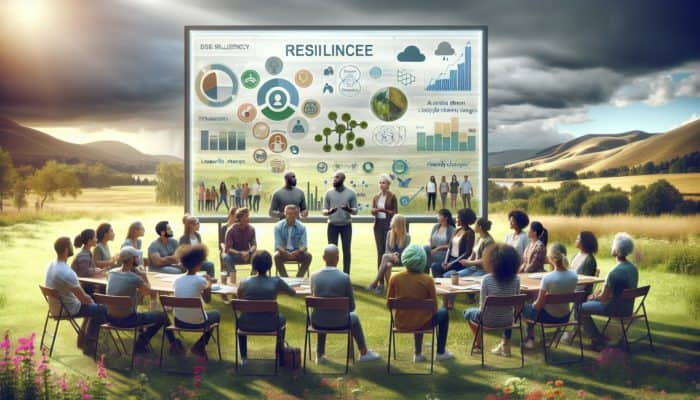
Building long-term resilience in the face of survival uncertainty requires a holistic approach that includes community support, ongoing education, and lifestyle adjustments. Engaging with community resources can create invaluable support networks during tumultuous periods. For example, participating in local community groups fosters connections that alleviate feelings of isolation while providing practical solutions during crises, such as the persistent challenges posed by a pandemic, where robust support systems are crucial.
Continuous education plays a vital role in sustaining resilience. Whether through formal education or self-directed learning, expanding one’s knowledge empowers individuals to adapt to changing circumstances. This could entail acquiring new skills that align with evolving job markets to enhance employability during economic downturns or learning emergency preparedness strategies to respond effectively to natural disasters.
Moreover, implementing lifestyle modifications can significantly bolster resilience. Embracing a well-balanced diet, engaging in regular physical activity, and ensuring adequate rest are essential for enhancing one’s ability to manage stress. Integrating mindfulness practices and relaxation techniques into daily routines fosters mental clarity and emotional stability. By nurturing a culture of lifelong learning and community engagement, individuals can establish a solid foundation to withstand the uncertainties life presents over the long term.
How Does Confronting Survival Uncertainty Impact Individuals?
Examining Emotional Reactions to Uncertainty
The emotional responses associated with survival uncertainty are diverse and complex. Individuals often experience an array of feelings, including anxiety, fear, frustration, and even motivation. The interplay of these emotions can profoundly affect behaviour and decision-making. For instance, a person facing job insecurity may initially experience anxiety, which can result in procrastination when seeking new employment opportunities. Conversely, this uncertainty might ignite motivation to acquire new skills or shift careers, exemplifying the intricate nature of emotional responses.
Understanding these emotional dynamics is crucial for personal development. By recognising when feelings of anxiety arise, individuals can take proactive measures to address them. Techniques such as cognitive-behavioural therapy (CBT) can help individuals reframe negative thought patterns, enabling them to view challenges as opportunities for growth rather than insurmountable barriers. Additionally, validating emotional responses fosters healthier discussions about mental health, reduces stigma, and nurtures supportive environments.
Enhancing emotional intelligence is another essential aspect of managing survival uncertainty. By developing the ability to recognise and articulate feelings, individuals can better regulate their reactions and promote constructive dialogues with others. This self-awareness ultimately cultivates greater adaptability when faced with significant challenges.
What Strategies Strengthen Resilience Against Challenges?

Fostering resilience in the face of uncertainty involves not just weathering the storm but also thriving amid adversity. Individuals can adopt various everyday practices to enhance their adaptability and long-term well-being. One effective approach is cultivating a growth mindset—the belief that abilities can be developed through dedication and effort. This perspective encourages individuals to perceive challenges as learning opportunities rather than threats.
Practical techniques for enhancing resilience include:
- Emotional Regulation: Developing skills to effectively manage emotions helps mitigate impulsive reactions to stress.
- Social Connections: Strengthening relationships with family and friends provides emotional support and shared experiences.
- Healthy Coping Mechanisms: Engaging in activities that promote relaxation, such as art, music, or nature walks, supports emotional stability.
- Seeking Professional Help: Consulting therapists or counsellors during overwhelming emotional times can provide tailored strategies for resilience.
- Continuous Learning: Embracing opportunities for personal and professional development fosters adaptability and innovation.
- Mindfulness Practices: Regular mindfulness or meditation enhances focus and emotional clarity.
- Reflective Practices: Taking time to reflect on experiences can yield insights into personal growth and coping strategies.
- Setting Boundaries: Establishing healthy boundaries in personal and professional relationships reduces stress and promotes well-being.
These strategies equip individuals with a comprehensive toolkit for effectively responding to various challenges, enabling them to navigate uncertainty with confidence.
Why Are Support Systems Crucial for Navigating Uncertainty?
Support systems are vital for managing the unpredictability of survival. These networks, whether comprised of family, friends, or community groups, offer essential emotional support, resources, and practical assistance. The importance of mutual aid cannot be overstated, as these relationships can mitigate the detrimental effects of stress and uncertainty. For example, during crises like the COVID-19 pandemic, community support networks emerged globally to assist those in need, demonstrating the profound impact of collective resilience.
Effectively leveraging support systems requires recognising both the giver and receiver aspects of relationships. Individuals should not only seek support but also actively contribute to their networks. This reciprocity strengthens bonds and nurtures a sense of belonging, which proves invaluable during challenging periods. Engaging in volunteer work or community service creates a cycle of giving and receiving that enriches personal resilience and enhances societal cohesion.
Moreover, support systems facilitate access to resources that may otherwise be difficult to obtain. For instance, community organisations may offer workshops on financial literacy or mental health, equipping individuals with the necessary tools to navigate uncertainty effectively. By investing in these relationships and promoting a sense of community, individuals can better prepare themselves to confront life's uncertainties, ultimately fortifying collective resilience.
What Expert Insights Can Aid in Confronting Survival Uncertainty?
Grasping Core Theories from Professionals
Numerous established theories concerning uncertainty elucidate its psychological foundations and implications for human behaviour. One significant concept is the “ambiguity effect,” which indicates that individuals favour options with known probabilities over those with unknown outcomes, even when the latter may present greater potential. This theory can profoundly impact decision-making processes across various life scenarios, including career choices and personal relationships.
Experts recommend actionable steps for applying these theories in everyday life. For example, when faced with uncertainty, individuals can adopt decision-making frameworks that prioritise clarity. Techniques such as pros-and-cons lists help systematically evaluate choices, reducing the paralysis that often accompanies uncertainty. Additionally, engaging in scenario planning—imagining various possible outcomes—can prepare individuals for different paths, fostering flexibility and adaptability.
Another relevant theory is the concept of “psychological resilience,” which underscores the importance of adaptability in adversity. Research indicates that individuals who cultivate resilience are more likely to thrive in uncertain environments. This can be achieved through consistent mindfulness practice, emotional regulation techniques, and the establishment of supportive networks. Incorporating these theories into daily routines allows individuals to gain a deeper understanding of their responses to uncertainty, ultimately enhancing their capacity to cope with life's challenges.
What Do Experts Suggest Regarding Coping Mechanisms?
Experts in psychology and behavioural science have thoroughly examined effective coping strategies for managing uncertainty. One widely accepted method involves cognitive-behavioural techniques that prompt individuals to identify and challenge negative thought patterns. For example, when faced with uncertainty about the future, an individual may engage in catastrophic thinking—imagining the worst possible outcome. Experts advocate reframing these thoughts by focusing on evidence-based reasoning and exploring alternative, more positive scenarios.
Real-world examples of adaptive techniques include visualization and affirmations. Visualization entails mentally rehearsing successful outcomes, which can bolster confidence and alleviate anxiety. Conversely, affirmations reinforce a positive self-image and help counter negative self-talk. These techniques can be applied across various contexts, from personal challenges like health issues to professional uncertainties such as job transitions.
Another effective strategy recommended by experts is acceptance. Embracing uncertainty as a natural aspect of life allows individuals to relinquish the need for control and embrace the present moment. This mindset shift can significantly reduce anxiety and foster greater peace. Overall, integrating expert insights into coping mechanisms can empower individuals to navigate uncertainty with confidence and resilience.
What Advanced Techniques Are Available for Mastering Uncertainty?
Deepening mastery over uncertainty necessitates employing advanced techniques endorsed by authorities in psychology and personal development. One such technique is “cognitive restructuring,” which involves recognising and reframing distorted thoughts that exacerbate feelings of uncertainty. For instance, instead of thinking, “I will never succeed,” individuals can shift to, “I have faced challenges before and can overcome this too.” This alteration fosters a more balanced perspective and encourages proactive behaviour.
Another advanced method is “exposure therapy,” commonly utilised in therapeutic settings. This approach entails gradually exposing oneself to uncertainty in a controlled manner, helping to desensitise fears of unpredictability. For example, someone apprehensive about public speaking might begin by addressing smaller, supportive groups before gradually increasing their audience size. This technique can build confidence and reduce anxiety over time.
Additionally, utilising tools from positive psychology, such as gratitude practices, can significantly enhance overall well-being. Regularly acknowledging positive aspects of life allows individuals to shift their focus away from uncertainty and cultivate a more optimistic outlook. Implementing these advanced techniques creates a comprehensive toolkit for mastering the challenges posed by uncertainty, ultimately supporting enhanced navigation through life's unpredictable nature.
What Common Challenges Arise When Confronting Survival Uncertainty?
Identifying Barriers to Effective Adaptation
Several common obstacles impede effective adaptation when grappling with survival uncertainty. One significant barrier is decision paralysis, where individuals become overwhelmed by the available options and struggle to make choices. This phenomenon often stems from a fear of making incorrect decisions, resulting in inaction. For instance, during economic downturns, individuals may hesitate to pursue new job opportunities due to uncertainty surrounding their qualifications or market demands.
Addressing these hurdles requires targeted strategies. First, simplifying the decision-making process can alleviate the pressure associated with making choices. Techniques such as establishing specific decision criteria can help narrow options and facilitate action. Additionally, seeking guidance from mentors or trusted advisors can provide valuable perspectives and reduce feelings of isolation.
Another prevalent challenge is the tendency to ruminate on negative outcomes. This cognitive distortion can amplify feelings of anxiety and hinder effective adaptation. To combat this, individuals can practise mindfulness techniques that emphasise present-moment awareness, diminishing the urge to dwell on potential negative scenarios.
Lastly, societal pressures can exacerbate the challenges associated with uncertainty. Social comparisons can lead individuals to feel inadequate or fearful about their circumstances. Cultivating self-compassion and focusing on personal journeys can mitigate these pressures, allowing for more adaptive responses to uncertainty.
How Does Uncertainty Affect Daily Decision-Making?
Uncertainty significantly complicates daily decision-making, affecting cognition and emotional regulation. The cognitive effects of uncertainty often manifest as increased anxiety and doubt, which can cloud judgment. For example, a person grappling with uncertainty about their financial situation may find it challenging to make everyday choices, such as budgeting and spending, leading to stress and indecision.
To effectively navigate these complexities, individuals can employ several strategies. Establishing structured decision-making frameworks, such as prioritising needs and distinguishing between essential and non-essential choices, can streamline the decision-making process. This approach encourages clarity and focus, alleviating the cognitive load associated with uncertainty.
Furthermore, practising emotional regulation techniques can enhance decision-making skills. Approaches such as deep breathing or grounding exercises can help individuals regain composure during stressful situations, fostering clearer judgment. Regularly reflecting on past decisions can also provide insights into personal decision-making patterns, offering opportunities for growth and improvement.
Ultimately, recognising the effects of uncertainty on decision-making is crucial for personal and professional development. By implementing tailored strategies, individuals can enhance their decision-making abilities and navigate uncertainty more successfully.
Why Do Certain Challenges Persist in the Face of Uncertainty?
The persistent nature of survival challenges often stems from deeper-rooted causes that perpetuate cycles of uncertainty. A significant factor is the lack of available resources to build individual resilience. In many communities, access to mental health support or educational programmes is limited, leaving individuals ill-equipped to confront uncertainty. This perpetuates feelings of helplessness and reinforces negative coping mechanisms.
Additionally, societal norms often emphasise the stigma surrounding mental health and vulnerability. This cultural backdrop can deter individuals from seeking help or engaging in open discussions about uncertainty, further isolating them during challenging times. Breaking this cycle requires a concerted effort to cultivate supportive environments that encourage dialogue and resource sharing.
Another reason certain challenges endure is the unpredictability of external circumstances. Events such as natural disasters, economic shifts, and global crises can create environments of continuous uncertainty. Individuals may repeatedly confront situations that test their coping mechanisms, leading to fatigue and burnout. Building adaptability and resilience through community networks and educational initiatives can help mitigate these recurring challenges.
Tackling the root causes of persistent survival challenges demands a multifaceted approach that includes advocating for mental health resources, engaging communities, and fostering a culture of openness. By collectively confronting these challenges, individuals can break the cycle of uncertainty and nurture a more resilient mindset.
What Essential Strategies Should Be Employed to Tackle Survival Uncertainty?
Employing Proven Techniques to Overcome Challenges
A variety of proven techniques can empower individuals to navigate the challenges associated with survival uncertainty effectively. One well-recognised strategy is mindfulness, which enhances awareness of the present moment and alleviates anxiety. Mindfulness techniques can be seamlessly incorporated into daily routines, promoting emotional regulation and clarity. Simple practices, such as mindful breathing or body scans, can help individuals ground themselves when faced with uncertainty.
Moreover, maintaining physical wellness is pivotal for overcoming uncertainty. Regular exercise, a balanced diet, and sufficient sleep contribute to overall well-being, equipping individuals with the energy and focus necessary to tackle challenges. Engaging in activities like yoga or nature walks can merge physical activity with mindfulness, fostering resilience.
Cognitive reframing is another effective method for addressing uncertainty. By consciously challenging negative thought patterns, individuals can shift their perspective and approach challenges with renewed optimism. Techniques such as journaling can facilitate this process, allowing individuals to articulate their thoughts and identify alternative viewpoints.
Ultimately, establishing a support network remains crucial. Surrounding oneself with encouraging individuals fosters a sense of belonging and diminishes feelings of isolation during difficult times. Engaging with support groups or community organisations further reinforces social connections, enhancing one's capacity to confront uncertainty.
How to Integrate Skills for Sustainable Success?
Incorporating coping skills into daily routines is essential for achieving long-term resilience and success in the face of uncertainty. Establishing sustainable habits demands consistency and commitment. One effective approach is to create a structured routine that incorporates self-care practices, such as exercise, mindfulness, and social interactions. This routine acts as a safety net, providing stability during uncertain times.
Additionally, setting realistic goals can facilitate the integration of new skills. By breaking larger objectives into smaller, manageable milestones, individuals can cultivate a sense of achievement and motivation. Celebrating these small victories reinforces positive behaviours and encourages continued progress.
To further enhance integration, individuals should regularly evaluate their coping strategies. Reflective practices, such as journaling or discussing experiences with a trusted friend, can illuminate which techniques are most effective. This process allows for adjustments to be made, ensuring that individuals remain adaptable as circumstances change.
Ultimately, the key to long-term success lies in a commitment to personal growth and resilience. By prioritising self-care, setting achievable goals, and maintaining an open mindset, individuals can seamlessly integrate coping skills into their lives, fostering enduring adaptability in the face of uncertainty.
How to Assess the Effectiveness of Your Strategies?
Evaluating the effectiveness of coping strategies is a crucial component of personal growth and resilience development. Evaluative practices enable individuals to reflect on their experiences and identify what works best for them. One effective method for assessing strategy effectiveness is maintaining a reflective journal. By documenting feelings, behaviours, and outcomes, individuals can gain insights into their coping processes, allowing for necessary adjustments.
Another approach involves setting measurable goals related to coping strategies. For instance, individuals can track their mindfulness practices or the frequency of their physical activities. Establishing benchmarks provides a tangible way to assess progress over time. Regularly reviewing these goals facilitates reflection and encourages accountability.
Furthermore, seeking feedback from trusted support systems can enhance evaluation efforts. Engaging in open discussions about coping strategies with friends, family, or therapists can offer valuable external perspectives. These conversations can reveal patterns and highlight areas for improvement, fostering personal growth.
Ultimately, evaluating strategy effectiveness is an ongoing process requiring self-reflection and openness to change. By regularly reassessing coping techniques, individuals can ensure they remain equipped to navigate life's uncertainties with resilience and confidence.
What Research-Backed Advantages Come from Confronting Survival Uncertainty?
Understanding the Benefits of Adaptive Responses
Research consistently underscores the advantages of adaptive responses to uncertainty across various contexts. For instance, studies show that individuals who actively engage in coping strategies tend to exhibit enhanced problem-solving capabilities. This adaptive approach enables them to navigate challenges more effectively, leading to positive outcomes over time.
One actionable step individuals can take is to practice cognitive flexibility—a vital skill that allows people to adjust their thoughts and behaviours in response to changing situations. By embracing ambiguity and exploring multiple solutions to problems, individuals can improve their adaptability in the face of uncertainty. Techniques such as brainstorming and scenario planning can facilitate this process and encourage innovative problem-solving.
Additionally, participating in stress-reducing activities, such as mindfulness or physical exercise, has been shown to enhance overall well-being. These practices not only improve emotional resilience but also promote clearer thinking, enabling individuals to approach uncertainty from a position of strength rather than fear.
Ultimately, the evidence supports the notion that adaptive responses to uncertainty yield significant benefits. By nurturing skills that foster flexibility and resilience, individuals can better navigate life's unpredictable nature.
How to Identify Long-Term Growth Opportunities?
Navigating uncertainty presents numerous long-term growth opportunities for individuals willing to embrace challenges. Engaging with uncertainty can act as a catalyst for personal development, fostering qualities such as resilience, adaptability, and emotional intelligence. Research indicates that individuals who confront uncertainty often emerge with a deeper understanding of themselves and their capabilities.
One avenue for long-term growth is through continuous learning. Embracing uncertainty encourages individuals to seek knowledge and skills that bolster their adaptability. This might involve pursuing new educational opportunities or exploring diverse interests that broaden perspectives. Lifelong learning not only equips individuals with practical skills but also cultivates a growth mindset, inspiring them to view challenges as springboards for advancement.
Moreover, navigating uncertainty can deepen interpersonal relationships. When individuals confront challenges together, they often forge stronger bonds based on shared experiences. Whether through support networks, community engagement, or collaborative problem-solving, these connections foster emotional growth and resilience in the face of adversity.
Ultimately, the journey through uncertainty can lead to transformative growth for individuals who actively engage in self-reflection and seek development opportunities. By embracing challenges, they can cultivate a richer, more fulfilling life experience.
What Insights Can Be Gleaned from Studies on Resilience?
Research on resilience has yielded valuable insights into how individuals can build endurance amid uncertainty. Studies indicate that resilience is not an innate trait but rather a collection of skills that can be developed over time. For instance, individuals who practise optimism and positive reframing typically report higher levels of resilience when faced with adversity.
Expert analyses highlight several strategies for fostering resilience based on these findings. One effective technique is cultivating a supportive social network. Engaging with friends, family, and community members provides emotional support and practical resources, enhancing resilience during challenging times. Additionally, fostering a growth mindset through self-reflection and goal-setting can help individuals view challenges as opportunities for growth rather than obstacles.
Moreover, research has shown that regular physical activity can significantly bolster resilience. Exercise not only improves physical health but also enhances mental well-being, promoting emotional stability and reducing stress levels. Integrating movement into daily routines serves as a powerful tool for building resilience.
Ultimately, the evidence underscores that resilience is a dynamic, learnable skill. By engaging in practices that enhance emotional, social, and physical well-being, individuals can cultivate resilience and navigate life's uncertainties more effectively.
Why Is It Vital to Confront Survival Uncertainty?
Recognising the Importance of Embracing Challenges
Embracing the challenges associated with survival uncertainty is essential for fostering personal growth and development. The inherent unpredictability of life presents opportunities for innovation, self-discovery, and heightened emotional intelligence. When individuals confront uncertainty, they often cultivate a deeper understanding of their values, strengths, and capabilities.
Moreover, uncertainty stimulates creativity and problem-solving. Many breakthroughs arise from the need to adapt to unpredictable circumstances, whether in science, technology, or the arts. By embracing these challenges, individuals can nurture a mindset that values experimentation and exploration, ultimately leading to innovative solutions and personal evolution.
Furthermore, confronting uncertainty nurtures resilience. Experiencing and overcoming challenges enhances an individual’s capacity to navigate future uncertainties with greater ease. This adaptability becomes a valuable asset in both personal and professional realms, empowering individuals to thrive amid change and unpredictability.
The significance of embracing challenges extends beyond personal growth; it contributes to collective resilience. When individuals share their experiences and coping strategies, they create supportive communities that foster collaboration and mutual aid. This interconnectedness enhances societal well-being and strengthens the fabric of communities facing uncertainty.
How Does Confronting Uncertainty Influence Personal Development?
Survival uncertainty profoundly shapes personal development, often acting as a catalyst for transformative change. When individuals face uncertainty, they are compelled to reassess their beliefs, values, and priorities. This introspection can lead to greater self-awareness and a more authentic understanding of their identity.
One key way uncertainty influences personal development is by fostering adaptability. Navigating unpredictable circumstances cultivates resilience and the ability to pivot in response to changing situations. Individuals learn to embrace flexibility in their plans and goals, leading to a more dynamic approach to life.
Additionally, facing uncertainty often inspires the pursuit of new opportunities. The discomfort associated with uncertainty can prompt individuals to explore unfamiliar territories, whether in their careers, relationships, or personal interests. This willingness to venture outside one's comfort zone can result in significant personal growth and the discovery of hidden talents or passions.
Ultimately, the impact of uncertainty on personal development is profound. By embracing challenges, individuals can cultivate resilience, adaptability, and a deeper understanding of themselves, transforming adversity into a pathway for growth.
What Are the Core Reasons for Proactive Engagement with Uncertainty?
Proactively engaging with uncertainty is crucial for achieving fulfilment and personal growth. One primary reason is that active engagement empowers individuals to take control of their circumstances. Rather than succumbing to feelings of helplessness, individuals who confront uncertainty head-on can shape their responses, fostering a sense of agency and confidence.
Moreover, proactive engagement nurtures a growth mindset. By viewing challenges as opportunities for learning and development, individuals can cultivate resilience and adaptability. This perspective fosters a belief in one’s capacity to navigate change effectively, enhancing overall well-being and satisfaction.
Additionally, engaging with uncertainty promotes social connection. When individuals share their experiences and coping strategies, they build supportive networks that foster collaboration and community resilience. This interconnectedness enhances personal well-being and contributes to collective strength in facing challenges.
Ultimately, the importance of proactive engagement lies in its ability to transform uncertainty into a catalyst for personal and communal growth. By embracing uncertainty, individuals can cultivate resilience, foster meaningful connections, and achieve a sense of fulfilment.
How Does Confronting Uncertainty Affect Decision-Making Under Pressure?
Confronting survival uncertainty sharpens decision-making skills, particularly in high-pressure situations requiring quick thinking. Individuals who actively engage with uncertainty develop the ability to assess risks, weigh options, and make informed choices under stress. This skill set is invaluable in both personal and professional contexts, enabling individuals to respond effectively to challenges.
The process of facing uncertainty enhances cognitive flexibility, allowing individuals to adapt their thinking as circumstances evolve. This adaptability fosters quicker decision-making, as individuals become adept at considering multiple perspectives and potential outcomes. For example, a business leader navigating market volatility may need to pivot strategies swiftly, relying on their experience with uncertainty to make informed decisions.
Moreover, confronting uncertainty encourages individuals to embrace calculated risks. Understanding the nature of risk and reward enables individuals to make decisions that align with their values and goals. This approach fosters confidence and clarity, empowering individuals to take decisive action even in uncertain environments.
Ultimately, confronting survival uncertainty extends beyond immediate decision-making; it fosters a mindset that values adaptability, resilience, and proactive engagement. By honing these skills, individuals can navigate challenges with confidence, enhancing both personal and professional outcomes.
What Are the Future Trends in Addressing Survival Uncertainty?
Identifying Emerging Patterns of Adaptation
As society evolves, so do the patterns of adaptation to uncertainty. A prominent trend is the increasing emphasis on mental health awareness and its crucial role in navigating uncertainty. Individuals are becoming more attuned to the significance of emotional well-being, actively seeking resources and support systems to build resilience. This shift reflects a broader societal recognition of the need to prioritise mental health amidst challenges.
Furthermore, the rise of technology and digital tools is transforming how individuals adapt to uncertainty. Applications focused on mindfulness, stress management, and emotional support are becoming more accessible, empowering individuals to take charge of their well-being. The proliferation of online communities and forums also offers platforms for sharing experiences and strategies, promoting collective resilience.
Another evolving trend is the growing focus on sustainability and environmental consciousness. As the world grapples with climate change and environmental crises, individuals increasingly recognise the interconnectedness of societal challenges. This awareness drives a shift towards sustainable practices and collective action, reflecting a proactive approach to uncertainty.
Ultimately, these evolving patterns of adaptation signify a cultural shift toward prioritising mental health, leveraging technology, and embracing sustainability as individuals and communities navigate the uncertainties of the future.
What Innovations Are Emerging in Coping Techniques?
The landscape of coping techniques is constantly evolving, characterised by innovative approaches to managing uncertainty. One notable trend is the integration of technology into self-care practices. Mobile applications focused on mindfulness, meditation, and stress reduction have surged in popularity, providing users with accessible tools for managing uncertainty in real-time. These advancements empower individuals to cultivate emotional resilience and adaptability in their daily lives.
Another emerging approach is incorporating virtual reality (VR) into therapeutic settings. VR technology allows individuals to simulate challenging situations, providing a safe space to practise coping strategies and build resilience. This immersive experience can enhance emotional regulation skills and foster adaptability, preparing individuals for real-life uncertainties.
Moreover, the increasing popularity of digital support groups and online communities reflects a trend toward leveraging technology for connection and shared experiences. These platforms facilitate open discussions about uncertainty, fostering a sense of belonging and mutual support that transcends geographical boundaries.
As society continues to embrace innovation, the development of new coping techniques underscores the importance of adaptability and resilience in navigating uncertainty. By integrating these advancements into daily routines, individuals can enhance their ability to confront challenges with confidence.
How to Prepare for Future Changes?
Preparing for upcoming shifts in an uncertain landscape requires a proactive, adaptable mindset. One key strategy is cultivating an openness to change. This involves embracing uncertainty as an integral part of life and recognising the opportunities it presents. By fostering this mindset, individuals can better navigate transitions and adapt to new circumstances.
Additionally, investing in continuous learning is crucial for preparing for future uncertainties. Engaging in professional development, acquiring new skills, and staying informed about global trends can enhance individuals' adaptability. This proactive approach equips individuals with the knowledge and tools necessary to respond effectively to changing environments.
Furthermore, building strong support networks is critical for navigating shifts in uncertainty. By cultivating relationships with diverse individuals and communities, individuals can tap into a wealth of resources and perspectives. This interconnectedness fosters resilience and provides a safety net during times of change.
Ultimately, preparing for upcoming shifts involves embracing change, investing in personal growth, and fostering supportive connections. By adopting these strategies, individuals can equip themselves to face the uncertainties of the future with confidence and adaptability.
How Is Technological Integration Impacting Uncertainty Prediction?
Emerging technologies, such as artificial intelligence (AI) and big data analytics, are revolutionising how individuals and societies predict and respond to survival uncertainties. These advancements enable more accurate forecasting of potential disruptions, facilitating proactive planning and preparation. For instance, AI algorithms can analyse vast amounts of data to identify patterns and trends, providing insights into potential risks related to climate change, economic fluctuations, or public health crises.
By leveraging technology to predict uncertainty, individuals and organisations can enhance their resilience. For example, businesses can utilise predictive analytics to foresee market shifts, allowing them to adapt their strategies accordingly. Similarly, communities can employ data-driven approaches to prepare for natural disasters, optimising resource allocation and response efforts.
Additionally, technological integration fosters collaboration and information sharing across borders. Global platforms enable individuals and organisations to exchange knowledge and best practices in navigating uncertainty. This interconnectedness enhances collective resilience, allowing communities to learn from one another's experiences and strategies.
Ultimately, the integration of technology for uncertainty prediction signifies a significant shift in how societies approach survival challenges. By harnessing these advancements, individuals and communities can proactively anticipate and navigate uncertainties, fostering greater resilience in an increasingly unpredictable world.
What Recent Global Policy Developments Focus on Resilience Building?
Evolving global policies and frameworks to address survival uncertainties reflect a growing recognition of the need for collaborative solutions. International cooperation is essential for tackling issues such as climate change, public health crises, and economic instability. Governments and organisations are increasingly prioritising cross-border collaboration to foster resilience at both local and global levels.
One notable trend in global policy development is the emphasis on community-based approaches to resilience. Policymakers are recognising the importance of engaging local communities in decision-making processes, ensuring that strategies are tailored to specific needs and contexts. This participatory approach enhances the effectiveness of resilience initiatives and fosters a sense of ownership among community members.
Furthermore, the integration of mental health considerations into public policy is gaining traction. Recognising the psychological impact of uncertainty, governments are prioritising mental health resources and support systems. This shift reflects a commitment to fostering holistic resilience that encompasses both physical and mental well-being.
Ultimately, these global policy developments signal a collective commitment to building resilience amid uncertainty. By prioritising collaboration, community engagement, and mental health, societies can create a more secure environment for future generations.
Addressing Commonly Asked Questions
What is survival uncertainty?
Survival uncertainty refers to the unpredictability of life events that can affect an individual's ability to thrive, such as economic shifts, natural disasters, or personal crises. It encompasses both psychological and practical challenges in adapting to these changes.
How can I identify signs of uncertainty about survival?
Signs of survival uncertainty include emotional fluctuations, decision-making challenges, increased anxiety, and feelings of helplessness. Self-assessment, journaling, and seeking feedback from trusted individuals can help recognise these signs.
What are some effective coping strategies for uncertainty?
Effective coping strategies include mindfulness practices, physical activity, cognitive reframing, structured problem-solving, and building supportive relationships. Incorporating these techniques into daily routines can enhance resilience.
How does uncertainty affect decision-making?
Uncertainty complicates decision-making by increasing anxiety and cognitive load, often leading to indecision. Implementing structured decision-making frameworks and practising emotional regulation can facilitate clearer judgment.
What role do support systems play in navigating uncertainty?
Support systems provide emotional and practical assistance during uncertain times. Engaging with community networks fosters mutual aid, enhances resilience, and helps individuals cope with challenges.
Can resilience be developed over time?
Yes, resilience is a learnable skill that can be developed through practice and experience. Techniques such as emotional regulation, social connection, and continuous learning can enhance resilience in the face of uncertainty.
What is the significance of facing survival uncertainty?
Dealing with uncertainty about survival is crucial for personal growth, fostering adaptability, and enhancing problem-solving skills. It encourages individuals to embrace challenges and develop resilience, ultimately leading to a more fulfilling life.
How can technology assist in predicting uncertainty?
Emerging technologies, such as AI and big data analytics, enable more accurate forecasting of potential disruptions, helping individuals and organisations proactively prepare for uncertainties and enhance their resilience.
What are some common challenges associated with uncertainty?
Common challenges include decision paralysis, emotional distress, and societal pressures that intensify feelings of inadequacy. Recognising these obstacles and implementing coping strategies can help overcome them.
What future trends are shaping our response to uncertainty?
Future trends include a growing emphasis on mental health awareness, technological integration for coping and prediction, and community-based approaches to resilience building. These trends reflect a shift towards proactive engagement with uncertainty.
Explore our world on X!
The post Facing Survival Uncertainty: Navigating Life’s Challenges appeared first on Survival Bite.
The Article Survival Uncertainty: Navigating Life’s Challenges Effectively Was Found On https://limitsofstrategy.com
The Article Survival Uncertainty: Effectively Navigating Life’s Challenges found first on https://electroquench.com