Essential Steps for Successful House Clearance in the UK
What Key Items Should You Prioritise When Sorting Through Your Belongings?

Engaging in a holiday cleanup can seem daunting, especially when it comes to tackling the clutter in your living room, which is often regarded as the heart of your home. This space is frequented by family and friends alike, making it essential to address it first to create a welcoming atmosphere. Begin your clearance by evaluating important items such as furniture, decorative items, and Electronics that may no longer serve their intended purpose. Consider donating or selling items that still have value but no longer fit your lifestyle. This not only helps in decluttering your space but also allows you to contribute positively to your community, fostering a sense of goodwill and connection.
As you embark on this sorting journey, focus on these crucial items in your living room:
- Old magazines and books that are no longer read
- Unused furniture or decor that no longer fits your style
- Outdated electronics (look into recycling options)
- Clothing or accessories that have fallen out of use
- Excess or mismatched cushions and throws cluttering your space
- Unopened gifts that are no longer relevant to you
- Unwanted toys or games that are gathering dust
- Items that belong in different rooms, causing confusion and disorder
Establish a clear and efficient sorting system by categorising items into keep, donate, sell, and discard. Utilise labelled boxes or bags for this sorting process, ensuring each category is clearly marked. As you sift through your belongings, ask yourself whether each item truly adds value or joy to your life. By creating a more curated living space, you enhance your overall well-being and comfort at home.
How Can You Create an Efficient House Clearance Schedule?
Strategically planning your house clearance around bank holidays can significantly improve your efficiency. These breaks provide extra time to dedicate to the task at hand. Start by drafting a comprehensive schedule that allocates specific times for each room in your home. This structured approach helps you maintain focus and prevents feelings of being overwhelmed by the sheer scope of the task.
To optimise your scheduling process, keep these practical tips in mind:
- Identify bank holidays or long weekends to boost productivity
- Set clear daily objectives (e.g., “Focus on the Living Room on Saturday”)
- Prioritise tackling smaller rooms first to build momentum
- Incorporate short breaks to avoid mental fatigue
- Enlist family members to assist, dividing tasks for enhanced efficiency
- Utilise a calendar app to set reminders for each phase of the process
- Allocate time for disposal or donation trips to local charities
- Remain flexible; adjust plans as necessary based on your progress
By adhering to a structured schedule, you can keep your clearance process organised and manageable. The satisfaction of completing each section will motivate you to continue, ultimately leading to a successful house clearance.
Effective Decluttering Strategies for Homes in the UK
Decluttering is particularly crucial in UK homes, where space is often limited. Areas such as lofts and garages frequently become dumping grounds for unnecessary items, making it essential to address these spaces. Start by thoroughly evaluating your loft or garage, identifying items that have remained unused for years. A clutter-free environment not only enhances your physical space but also fosters mental clarity and improved focus.
Implementing effective decluttering strategies can simplify your process:
- Utilise under-bed storage boxes to maximise every inch of available space
- Invest in shelving units to create efficient vertical storage solutions
- Consider multifunctional furniture that includes built-in storage options
- Schedule regular decluttering sessions (monthly or quarterly) to maintain order
- Adopt the “one in, one out” principle to keep your home organised
- Dedicate specific times each week for small decluttering tasks to stay on track
- Focus your efforts on one area or category at a time to avoid feeling overwhelmed
- Utilise popular UK storage solutions, such as stackable bins, for easy access
The key is to establish a system that aligns with your available space and lifestyle. By maximising your storage solutions, you can significantly enhance your home’s functionality and overall aesthetic appeal.
What Are the Best Practices for Disposing of Hazardous Waste in the UK?
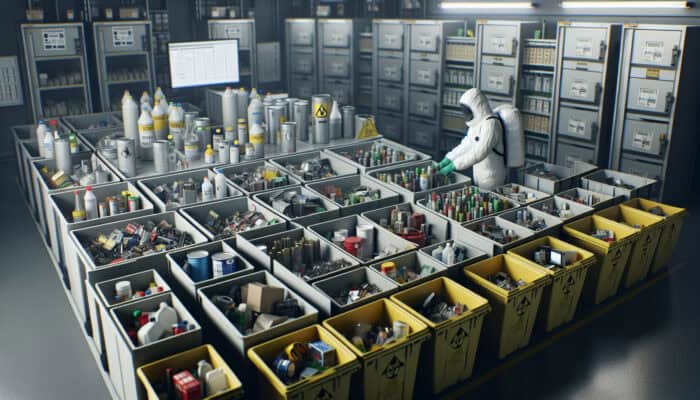
Effectively managing hazardous waste is a critical aspect of house clearance. In the UK, it is essential to understand the proper disposal methods for items such as batteries, chemicals, and electronics. Always consult your local council for specific guidelines to ensure compliance with regulations and safety standards.
Common categories of hazardous waste you may encounter include:
- Batteries, including both standard and rechargeable types
- Paints and solvents that require careful handling
- Fluorescent bulbs and tubes
- Unused medicines and pharmaceuticals that can pose risks
- Electronics (often referred to as e-waste) that need special disposal
- Oil and fuel containers that must be handled properly
- Pesticides and herbicides that require careful disposal
- Asbestos (which necessitates professional handling due to its dangerous nature)
For safe disposal, locate your nearest recycling centre or designated hazardous waste facility. Many councils provide specific collection days or drop-off points for hazardous materials. Always adhere to safety protocols, such as sealing items in appropriate containers to prevent leaks and spills. By responsibly managing hazardous waste, you protect both your community and the environment.
Proven Strategies for Holiday Cleanup and House Clearance
What Are the Most Effective Methods for Post-Holiday Clearance?
During the holiday seasons, the accumulation of decorations, gifts, and various items can lead to disorder in your home. Implementing best practices for holiday clearance not only improves your living space but also offers psychological benefits. Maintaining a clutter-free environment can significantly alleviate stress while enhancing overall well-being.
To efficiently clear your home following the holidays, consider these actionable steps:
- Designate specific times after the holidays for comprehensive cleaning
- Sort through holiday decorations, retaining only those that hold sentimental value
- Evaluate received gifts; contemplate donating or re-gifting items that are unwanted
- Encourage family involvement to make the process enjoyable and engaging
- Invite guests to take home items they may appreciate, fostering goodwill
- Utilise this opportunity to reorganise your storage solutions for better efficiency
- Consider using seasonal storage bins for easier access next year
- Reflect on which items truly enhance your holiday experience to make better choices
By adopting these best practices, you will not only maintain order but also cultivate a more mindful approach to the belongings you choose to keep. The result is a more serene and inviting atmosphere, enabling you to fully enjoy the festive season.
How Can You Engage Family Members Actively in the Clearance Process?

Involving family members in the clearance process can transform it into an enjoyable and efficient activity. By assigning tasks that align with each person’s strengths, you promote collaboration and a sense of shared responsibility. Children, in particular, can be motivated to join in by gamifying the process or introducing a friendly competition.
Here are some effective strategies to engage your family in the clearance:
- Assign specific rooms or areas to individual family members to encourage ownership
- Create a scoreboard for completed tasks, offering small rewards for motivation
- Encourage children to select items to donate, fostering empathy and generosity
- Set a timer for challenges, such as who can sort items the fastest, to create excitement
- Host a family meeting to discuss which items to keep, promoting inclusivity
- Utilise positive reinforcement to encourage participation and engagement
- Play music to create a lively atmosphere during decluttering, enhancing enjoyment
- Share stories associated with certain items to encourage thoughtful decisions about what to keep
Real-world experiences show that families who work together often experience enhanced communication and bonding. By making the clearance a family affair, you not only achieve your goals but also create lasting memories along the way.
How to Optimise Space in UK Homes Effectively?
Many UK homes are characterised by limited space, making effective utilisation of available areas essential. One of the most efficient strategies to maximise your space is by incorporating vertical storage solutions using shelving units, which come in various designs to complement your decor. Additionally, loft conversions are popular choices for creating extra storage or living space.
Consider these actionable steps for optimising your living space effectively:
- Install wall-mounted shelves to display books and decorative items elegantly
- Use pegboards in garages or kitchens for efficient organisation and accessibility
- Add baskets to shelves for easy access to miscellaneous items, enhancing organisation
- Incorporate furniture with built-in storage, such as ottomans, to reduce clutter
- Consider investing in modular furniture for versatile arrangements that suit your needs
- Regularly reassess and reorganise your space to maintain functionality and aesthetics
- Utilise under-stair storage solutions to capitalise on otherwise wasted space
- Employ collapsible items like foldable tables or chairs for adaptability in small areas
Investing time to maximise your home’s space not only improves functionality but also enhances the overall aesthetic of your environment. By employing creative solutions, you can transform cramped corners into practical, organised areas.
What Are the Benefits of Engaging Professional Clearance Services?
When Should You Consider Seeking Professional Assistance for House Clearance?
Understanding the right time to hire professional clearance services can save you time and alleviate stress, especially for extensive or complex clearances. If you find yourself short on time or dealing with particularly heavy items, engaging professionals is often the most effective approach. They possess the necessary expertise, tools, and workforce to handle the task efficiently and safely.
Indicators that you might need professional assistance include:
- Overwhelming clutter that feels unmanageable on your own
- Heavy furniture or equipment that requires specialised lifting techniques
- Hazardous materials that necessitate careful handling and disposal
- Limited time or physical capability to complete the clearance on your own
- Emotional attachments to items that complicate your decision-making process
- Need for proper disposal of waste that you cannot manage alone
- Complex site access issues for larger items that require strategic planning
- Time constraints due to upcoming moving dates or renovations that necessitate quick action
Hiring professionals not only streamlines the clearance process but also ensures compliance with local regulations. Their expertise can relieve the burden from your shoulders, allowing you to focus on other important tasks.
How Much Should You Expect to Pay for Clearance Services in the UK?
The cost of clearance services in the UK can vary significantly based on factors such as location, job size, and the types of items being cleared. For instance, in London, prices may be higher due to demand and operational costs. Typically, you can expect to pay between £70 to £150 for smaller clearances; however, larger jobs can escalate into the thousands.
Factors that impact clearance service costs include:
- Volume and weight of items being cleared, which can affect transport costs
- Type of waste (general waste versus hazardous materials requiring special handling)
- Accessibility of the location (e.g., flats versus houses with easier access)
- Distance to disposal sites or recycling centres, which can influence costs
- Seasonal demand (prices may rise during peak times or holidays)
- Specialised services needed, such as packing or transport of delicate items
- Time of year, as some companies may offer discounts during off-peak seasons
- Additional services, such as cleaning following clearance, which can add to total costs
It is advisable to obtain quotes from multiple clearance companies to compare prices and services. Understanding the various factors influencing cost will empower you to make an informed decision while avoiding unnecessary expenditure.
How to Choose the Right Clearance Company for Your Needs?
Selecting the right clearance company is essential for ensuring a smooth and efficient process. Look for companies with positive reviews on platforms like Trustpilot or Checkatrade, as this provides insight into their reliability and quality of service. It is crucial to select a company that is licensed and insured to protect yourself from potential liabilities.
When searching for a clearance company, consider these important factors:
- Read reviews and testimonials from prior customers to gauge satisfaction
- Confirm the company’s licensing and insurance status to ensure legitimacy
- Inquire about their experience and expertise in specific types of clearance tasks
- Ask about their disposal methods to ensure eco-friendliness and compliance
- Request a detailed quote with no hidden fees to avoid surprises
- Find out if they offer additional services, such as cleaning or packing, for convenience
- Ensure they adhere to local regulations and safety protocols during clearance
- Evaluate their customer service approach and responsiveness to your inquiries
By conducting thorough research and asking the right questions, you can find a reliable clearance company that meets your needs and standards, providing peace of mind during this potentially stressful time.
Eco-Friendly Disposal Options in the UK
How to Effectively Utilise Recycling Centres in the UK?
Utilising local council recycling centres is an excellent strategy for the responsible disposal of various materials. These centres are typically equipped to accept a wide range of recyclables, ensuring that items are processed correctly. Always check your local council’s website for specific locations and a list of accepted items, as regulations may vary between councils.
Commonly recyclable materials at these centres include:
- Paper and cardboard that can be processed into new products
- Plastics (check for recycling symbols to ensure they are recyclable)
- Glass bottles and jars that can be reprocessed into new glass products
- Metals, including aluminium cans that are highly recyclable
- Electronics and electrical appliances (at designated sites for safe disposal)
- Textiles, such as clothing and shoes that can be reused
- Wooden items, including furniture that can be recycled or repurposed
- Batteries (some centres have specific drop-off points for safe disposal)
Make it a habit to regularly visit your local recycling centre, particularly during house clearances. This practice not only helps reduce landfill waste but also contributes to a more sustainable environment for all.
Why Is Donating to Charities in the UK Important?
Donating usable items to charities is a generous way to declutter your home while aiding those in need. Organisations like the British Heart Foundation and Oxfam often welcome donations of clothing, furniture, and household goods. Many of these charities even provide collection services or have convenient drop-off points for your convenience.
To find local charity shops and organisations, consider:
- Searching online for charities in your area to identify those that accept donations
- Checking social media for local charity events that may need support
- Asking friends or neighbours for recommendations on reputable charities
- Contacting charities directly to inquire about their current needs and how you can help
- Utilising apps that connect donors with local charities for easy donation
- Reviewing local community boards or newsletters for charity drives
- Participating in local charity drives or events to support your community
- Identifying charity shops in your vicinity for convenient drop-off
By donating items, you not only assist others but also minimise waste, creating a win-win scenario that benefits both your community and the environment.
How to Sell Unwanted Items Online in the UK?
Selling unwanted items online is an effective strategy to declutter while potentially earning extra cash. Platforms like eBay and Gumtree provide excellent avenues to reach potential buyers. Ensure that your listings include accurate descriptions and high-quality photos to attract more interest from buyers.
To maximise your selling potential online, adhere to these best practices:
- Take clear, well-lit photos from multiple angles to showcase your items
- Write detailed descriptions, including dimensions and condition, to inform buyers
- Set competitive prices based on similar listings to encourage sales
- Be responsive to inquiries from potential buyers to maintain interest
- Consider bundle deals to encourage larger purchases and clear more items
- Utilise social media to promote your listings and reach a wider audience
- Offer local pick-up options to save on shipping costs and attract buyers
- Keep track of sales and feedback for future improvements in your selling strategy
By leveraging online sales platforms effectively, you can manage clutter while generating financial returns. This method not only clears your space but also connects you with others in your community.
What Are the Advantages of Composting at Home in the UK?
Starting a compost bin at home is a fantastic way to reduce organic waste while creating nutrient-rich soil for your garden. Composting is particularly beneficial in the UK due to the diverse range of organic materials that can be recycled, including food scraps and garden trimmings. This practice not only helps the environment but also enriches your garden, making it a sustainable choice.
To set up a compost bin, consider these steps:
- Select a suitable location in your garden that has good drainage to facilitate composting
- Choose a compost bin or create a pile using wooden pallets or wire mesh
- Layer green materials (e.g., fruit scraps, grass clippings) with brown materials (e.g., dry leaves, cardboard) for balance
- Aerate the pile regularly by turning it with a pitchfork to promote decomposition
- Monitor moisture levels; the compost should be damp but not soggy to encourage microbial activity
- Be mindful of what can be composted, avoiding meat or dairy products that can attract pests
- Use an odour-free method to prevent attracting unwanted animals to your compost
- Harvest your compost once it turns dark and crumbly, indicating readiness for use
Composting not only decreases landfill contributions but also enriches your garden, promoting a sustainable lifestyle. As you become more adept at composting, you may find it a rewarding aspect of your home maintenance routine.
How to Ensure Proper Disposal of Hazardous Waste in the UK?
Proper disposal of hazardous materials is essential for ensuring safety and protecting the environment. Items such as batteries, chemicals, and electronics must never be mixed with regular waste due to the potential hazards they pose. In the UK, there are designated facilities for safely handling these materials, and it is crucial to follow local regulations.
To ensure proper disposal, follow these guidelines:
- Locate your nearest hazardous waste disposal site through your local council’s website
- Check which items are accepted at disposal facilities to avoid confusion
- Transport hazardous materials in safe, sealed containers to prevent leaks
- Never attempt to dispose of hazardous waste in regular bins to ensure safety
- Participate in community collection events for hazardous materials to facilitate disposal
- Educate yourself on local laws regarding hazardous waste management to remain compliant
- Consider seeking professional assistance for large quantities of hazardous waste
- Stay informed about changing regulations and disposal methods to ensure safe practices
By adhering to safe disposal practices, you contribute to a healthier environment while reducing the risks associated with hazardous materials.
Research-Backed Benefits of Holiday Cleanup and House Clearance
How Does a Clear Home Influence Mental Health?
Numerous studies have shown that a clear home can significantly alleviate stress and enhance mental well-being. A clutter-free environment is linked to improved focus and productivity. By removing distractions and visual clutter, a clean space fosters clarity and tranquillity of mind, promoting a positive mindset.
To leverage the mental health benefits of a clear home, consider:
- Implementing a regular decluttering schedule to maintain order
- Creating designated spaces for belongings to avoid chaos and confusion
- Incorporating calming colours and minimal decor to enhance tranquillity
- Establishing daily tidying routines to create a sense of control
- Utilising organisation tools to manage daily clutter effectively
- Involving family members in harmonising shared spaces for collective effort
- Reflecting on the emotional value of items kept around to foster mindfulness
- Practising mindfulness while decluttering to make informed decisions about belongings
Real-world examples indicate that individuals who maintain a tidy environment often report higher levels of happiness and satisfaction. By understanding the connection between organisation and mental health, you can create a more positive living space that promotes well-being.
What Are the Financial Benefits of Regular Clearance?
Regularly clearing your home can yield significant economic advantages. A clutter-free environment not only enhances your home's aesthetic appeal but may also increase its market value. Additionally, by selling or donating unwanted items, you can save on storage costs while potentially generating income from sales.
To maintain a clutter-free home and realise economic benefits, consider these actionable steps:
- Conduct regular assessments of possessions to identify excess items
- Utilise online marketplaces to sell valuable items that are no longer needed
- Document the value of donated items for potential tax deductions, benefiting your finances
- Track savings on storage solutions over time to view financial progress
- Maximise space efficiency to enhance home appeal during resale, attracting buyers
- Encourage friends and family to adopt similar decluttering practices for shared benefits
- Join community groups focused on decluttering and trading items for mutual gain
- Set clear financial goals for what you wish to achieve through regular clearance
Regular maintenance not only improves your living environment but can also positively impact your financial well-being. Establishing these habits early can lead to long-term rewards that enhance your quality of life.
What Time-Saving Strategies Can Households in the UK Implement?
Implementing time-saving strategies can make house clearance more manageable and less daunting. Setting a timer for each room can motivate you to stay focused and efficiently complete tasks. Time-bound objectives create a sense of urgency, encouraging quicker and more informed decision-making.
Effective time-saving methods include:
- Breaking tasks into smaller, manageable segments to prevent overwhelm
- Utilising checklists to track progress and maintain focus on objectives
- Designating a ‘clear-out day’ on your calendar for dedicated clearance time
- Involving family members to share the workload and make the process collaborative
- Eliminating distractions by turning off phones or limiting social media use
- Preparing donation bags in advance to streamline the process and facilitate giving
- Sorting items by category instead of by room to enhance efficiency
- Incorporating music or podcasts to create an enjoyable atmosphere during clearance
By adopting these strategies, you can significantly reduce the time spent on clearance tasks. Efficient practices not only save time but also increase the satisfaction of achieving your goals more effectively.
What Is the Environmental Impact of Effective Clearance Practices?
Engaging in effective clearance practices has a profound effect on the environment. Proper waste management helps reduce landfill contributions and promotes recycling, which is vital for sustainability. By committing to eco-friendly disposal methods, you contribute to a healthier planet and a more sustainable future.
To enhance your environmental efforts during clearance, consider these tips:
- Prioritise recycling over disposal for all suitable items to minimise waste
- Utilise local recycling centres and charitable donations to support your community
- Compost organic waste to reduce methane emissions and enrich your garden
- Educate yourself and your family on eco-friendly practices to promote responsible behaviour
- Choose companies that follow sustainable disposal methods to reduce environmental impact
- Support environmentally conscious products within your home to foster a green lifestyle
- Reduce single-use plastics while decluttering to minimise environmental harm
- Participate in community cleanup events to raise awareness and contribute positively
By recognising the environmental benefits associated with effective clearance practices, you can promote sustainable habits within your household. Every step taken towards responsible waste management contributes to a brighter future for all.
How Can You Prepare for Future Clearances?
Creating an Effective Maintenance Schedule for Your Home
Establishing a maintenance schedule is critical for preventing long-term clutter buildup. Set aside specific times each month or quarter devoted to decluttering and tidying up. Utilising reminders on your phone or calendar can help keep you accountable and on track.
Consider incorporating the following into your maintenance schedule:
- Regular assessments of possessions every three months to identify excess
- Seasonal clear-outs aligned with major holidays to refresh your space
- Designated days for organising specific areas (e.g., lofts, garages) for efficiency
- Monthly reviews of seldom-used items to decide what to keep or donate
- Reminders for regular donation or disposal of items to prevent accumulation
- Family meetings to discuss shared spaces and responsibilities in maintaining order
- Tracking progress and adjusting the schedule as necessary for effectiveness
- Setting goals for your decluttering efforts to stay motivated
By maintaining a consistent schedule, you can prevent clutter from accumulating. This proactive approach will make each clearance session more manageable and less intimidating, leading to a more organised home.
Implementing Minimalist Practices in Your Daily Life
Adopting a minimalist lifestyle can be transformative, particularly concerning decluttering. The essence of minimalism involves regularly evaluating your possessions and focusing on keeping only what you truly need and cherish. This practice not only declutters your home but also creates mental space for clarity and peace.
To begin living a minimalist lifestyle, consider these steps:
- Conduct a thorough evaluation of your belongings to identify what truly matters
- Ask yourself if each item serves a purpose or brings joy to ensure meaningful choices
- Implement the “30-day minimalist challenge” to test your commitment and resolve
- Regularly reassess possessions, particularly after new acquisitions, to maintain focus
- Use visual reminders of your minimalist goals to keep you motivated
- Encourage family members to adopt similar practices for a cohesive home environment
- Limit shopping to prevent unnecessary accumulation of items
- Focus on quality over quantity in all aspects of life to enhance satisfaction
By embracing minimalism, you create a peaceful home environment that promotes mindfulness and reduces stress. The clarity that follows can significantly enhance your quality of life and overall happiness.
Preparing for Seasonal Clearances Effectively
Planning for seasonal clearances is essential, particularly following holidays or during seasonal transitions. By organising items systematically, you simplify future clearances and ensure that everything is easily accessible when needed.
Consider these best practices for preparing for seasonal clearances:
- Designate a specific area for seasonal items (e.g., Christmas decorations) to keep them organised
- Label storage bins clearly for easy identification and access
- Schedule clearances immediately following significant holidays for timely organisation
- Utilise vacuum-sealed bags for clothing or linens to save space
- Rotate seasonal items to make space for new ones, preventing clutter buildup
- Implement a ‘one in, one out’ policy for new acquisitions to maintain balance
- Organise items by category or frequency of use for efficient access
- Involve family members in planning when to assess seasonal items for shared responsibility
By proactively preparing for seasonal clearances, you reduce the likelihood of clutter buildup. This foresight enables you to maintain a welcoming home environment throughout the year, enhancing your living space.
Essential Safety Tips for Successful House Clearance in the UK
How to Safely Handle Hazardous Materials During Clearance?
When dealing with hazardous materials during house clearance, prioritising safety is essential. Items such as batteries and chemicals require careful management to prevent harm to yourself and the environment. Always follow local regulations for disposal and handling of these materials.
To ensure safe handling of hazardous materials, adhere to these guidelines:
- Wear protective gloves and masks while handling hazardous items to prevent exposure
- Store hazardous items in secure, labelled containers to avoid accidents
- Transport items to designated disposal facilities carefully to ensure safety
- Never mix different types of hazardous waste to prevent reactions
- Keep children and pets away from hazardous materials to protect their safety
- Educate yourself about the specific handling requirements of materials you encounter
- Consult professionals for large quantities or complex items that require expertise
- Utilise local resources for guidance on hazardous materials and their handling
By following safety protocols, you minimise risks during clearance activities. Taking these precautions protects not only your health but also the well-being of the community you live in.
What Measures Can You Take to Prevent Accidents During Clearance?
Accidents during house clearance can lead to serious injuries, making it crucial to employ proper lifting techniques and maintain a safe working environment. Clearing pathways and ensuring areas are clutter-free can significantly reduce the risk of accidents occurring.
To avoid accidents, consider these safety measures:
- Utilise proper lifting techniques: lift with your legs, not your back, to prevent strain
- Clear pathways of any trip hazards before beginning the clearance process
- Wear sturdy shoes to protect your feet while moving items
- Secure loose items to prevent them from falling during transport
- Take breaks to avoid fatigue, which can lead to accidents
- Utilise tools and equipment designed for heavy lifting to make the process safer
- Involve others when moving large items to share the weight and reduce risk
- Be cautious of sharp edges and potentially dangerous materials, ensuring safe handling
By prioritising safety, you can create a more efficient and secure clearance process. Awareness and preparation help ensure your clearance activities proceed smoothly without any incidents.
How to Ensure a Safe Environment for Children and Pets During Clearance?
Creating a safe environment during house clearance is vital, particularly when children and pets are involved. Ensuring their safety requires proactive measures to keep them away from potentially hazardous areas and items.
To ensure safety for children and pets, implement these strategies:
- Designate a safe area for children and pets during clearance activities to keep them secure
- Engage a babysitter or pet-sitter if necessary to ensure supervision
- Secure heavy or unstable items that could fall and cause injury
- Establish clear boundaries to keep them away from the work area for their safety
- Keep cleaning supplies and hazardous materials out of reach to prevent accidents
- Provide entertainment or distractions to keep them occupied while you work
- Communicate with older children about safety rules and the importance of staying safe
- Conduct a final walkthrough to ensure safety before they return to the area
By taking these precautions, you can ensure a safe environment for everyone involved in the clearance process. This mindfulness allows you to focus on tasks without unnecessary worry about the safety of your loved ones.
What Are the Best Practices for Managing Dust and Air Quality During House Clearance?
During house clearance, managing dust and maintaining good air quality is vital for health. Dust can exacerbate allergies and respiratory issues, making it essential to take steps to control its presence. By employing simple strategies, you can create a healthier work environment.
To manage dust and air quality, consider these methods:
- Wear masks to reduce dust inhalation during clearance activities
- Open windows to create ventilation and improve air circulation in the space
- Vacuum regularly, using a vacuum with a HEPA filter to capture fine particles
- Dampen clean surfaces to trap dust without stirring it up into the air
- Minimise clutter to reduce dust accumulation in your home
- Incorporate air purifiers if dealing with significant dust to enhance air quality
- Take breaks outside to get fresh air while working to refresh yourself
- Keep doors closed in unused areas to contain dust and maintain cleanliness
By prioritising air quality and dust management, you promote a healthier environment during your clearance activities. Small adjustments can lead to significant improvements in your working conditions and overall well-being.
Frequently Asked Questions About House Clearance
What should I do with unwanted furniture during a house clearance?
Consider donating usable furniture to local charities, selling items online, or recycling them at designated facilities. Ensure that items are clean and in good condition to maximise their potential for reuse and support those in need.
How can I motivate my family to help with the clearance?
Engage family members by assigning tasks that suit their strengths and turning the process into a fun challenge or competition. Offering rewards for completed tasks can also encourage participation and foster teamwork.
What are the best approaches for disposing of hazardous waste?
Locate local hazardous waste disposal facilities or recycling centres. Always adhere to guidelines for safe handling and transport of hazardous items to prevent environmental damage and ensure safety.
How can I prevent clutter from accumulating again?
Implement a regular maintenance schedule for decluttering and adopt a “one in, one out” policy for new items. Encouraging mindful purchasing can also help maintain a clutter-free environment and reduce unnecessary accumulation.
Are there specific tools I should use during a house clearance?
Utilise sturdy boxes, bags for donations, labels for sorting, and protective gear such as gloves and masks. Depending on the type of clearance, additional tools like dollies or lifting straps may be helpful for safe handling of items.
How often should I conduct a house clearance?
Conduct regular clearances at least twice a year, or more frequently if you notice clutter building up. Seasonal clearances can also be beneficial, particularly after holidays or significant life events.
What common mistakes should I avoid during a house clearance?
Avoid rushing the process, making impulsive decisions about what to keep, and neglecting to involve family. Ensure that hazardous materials are disposed of correctly to avoid potential dangers and maintain safety.
Can I clear my home in one day?
While it’s possible for smaller spaces, larger homes or extensive clearances often require more time. Setting realistic goals and scheduling breaks can make the process more manageable and less overwhelming.
What are some eco-friendly ways to dispose of items?
Consider donating items to local charities, recycling through designated centres, or composting organic waste. Research community initiatives focused on sustainability for additional options to contribute positively.
How can I make house clearance less overwhelming?
Break the process into smaller, manageable tasks, set specific goals for each session, and involve family members to ensure a collaborative approach. Creating a timeline for your clearance can also make it feel more achievable and less daunting.
Connect with us on Facebook!
The Article: Holiday Cleanup Tips for House Clearance: UK Guide Was First Found At https://birminghamhouseclearance.com
The Article House Clearance: Essential Holiday Cleanup Tips for the UK Was Found On https://limitsofstrategy.com
The Article House Clearance Tips: Essential Holiday Cleanup for the UK found first on https://electroquench.com